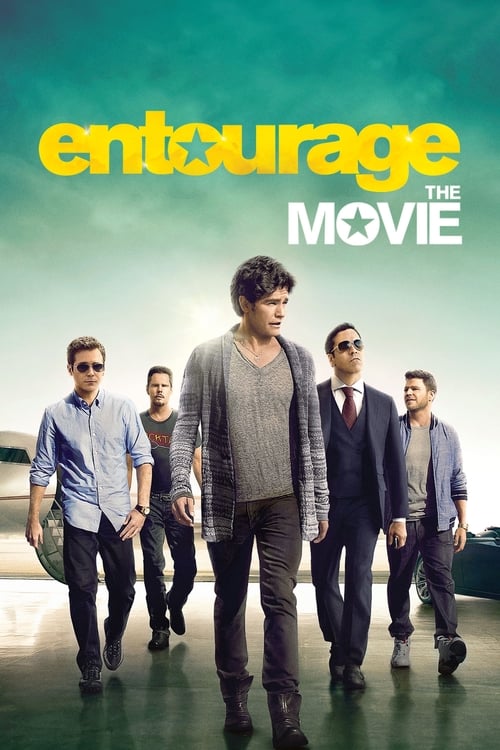
Entourage
Movie star Vincent Chase, together with his boys, Eric, Turtle and Johnny, are back…and back in business with super agent-turned-studio head Ari Gold. Some of their ambitions have changed, but the bond between them remains strong as they navigate the capricious and often cutthroat world of Hollywood.
Working with a mid-range budget of $30.0M, the film achieved a modest success with $49.3M in global revenue (+64% profit margin).


Plot Structure
Story beats plotted across runtime


Narrative Arc
Emotional journey through the story's key moments
Story Circle
Blueprint 15-beat structure
Arcplot Score Breakdown
Weighted: Precision (70%) + Arc (15%) + Theme (15%)
Entourage (2015) exemplifies deliberately positioned narrative design, characteristic of Doug Ellin's storytelling approach. This structural analysis examines how the film's 15-point plot structure maps to proven narrative frameworks across 1 hour and 44 minutes. With an Arcplot score of 7.5, the film showcases strong structural fundamentals.
Characters
Cast & narrative archetypes

Vincent Chase
Eric Murphy
Ari Gold
Johnny Drama
Turtle
Ari Gold Jr.
Sloan McQuewick
Lloyd Lee
Main Cast & Characters
Vincent Chase
Played by Adrian Grenier
Movie star navigating Hollywood stardom with his tight-knit group of friends from Queens.
Eric Murphy
Played by Kevin Connolly
Vincent's manager and best friend who balances business with loyalty.
Ari Gold
Played by Jeremy Piven
Powerful, aggressive talent agent with fierce loyalty to his clients and explosive personality.
Johnny Drama
Played by Kevin Dillon
Vincent's older half-brother and struggling actor desperate for career validation.
Turtle
Played by Jerry Ferrara
Vincent's driver and friend who aspires to entrepreneurial success beyond his current role.
Ari Gold Jr.
Played by Jeremy Piven
Studio head making crucial decisions about Vincent's new film project.
Sloan McQuewick
Played by Emmanuelle Chriqui
Eric's on-again off-again girlfriend and daughter of a powerful Hollywood figure.
Lloyd Lee
Played by Rex Lee
Ari's loyal former assistant now working in the studio system.
Structural Analysis
The Status Quo at 1 minutes (1% through the runtime) establishes Vince and the entourage party on a yacht in Ibiza, celebrating his newly single status. The opening establishes their world of excess, brotherhood, and Hollywood success.. The analysis reveals that this early placement immediately immerses viewers in the story world.
The inciting incident occurs at 12 minutes when Vince demands to direct his own starring vehicle, "Hyde," but needs additional funding. Ari must go to Texas financier Larsen McCredle for more money, creating the central conflict.. At 12% through the film, this Disruption aligns precisely with traditional story structure. This beat shifts the emotional landscape, launching the protagonist into the central conflict.
The First Threshold at 26 minutes marks the transition into Act II, occurring at 25% of the runtime. This demonstrates the protagonist's commitment to Production on "Hyde" officially begins with Vince as director. The crew fully commits to the vision, crossing into the world where Vince must prove himself as a filmmaker., moving from reaction to action.
At 52 minutes, the Midpoint arrives at 50% of the runtime—precisely centered, creating perfect narrative symmetry. Of particular interest, this crucial beat Travis McCredle demands to see footage of "Hyde" and threatens to shut down production due to budget overruns. False defeat: the dream project appears in jeopardy, raising stakes significantly., fundamentally raising what's at risk. The emotional intensity shifts, dividing the narrative into clear before-and-after phases.
The Collapse moment at 78 minutes (75% through) represents the emotional nadir. Here, Larsen McCredle refuses to release "Hyde" and demands final cut, threatening to shelve the film entirely. Vince's directorial dream appears dead, representing the death of artistic control and the crew's faith., demonstrates the protagonist at their lowest point. This beat's placement in the final quarter sets up the climactic reversal.
The Second Threshold at 83 minutes initiates the final act resolution at 80% of the runtime. Ari devises a plan: show the McCredles the finished film at a private screening. The crew rallies, synthesizing their Hollywood experience with genuine belief in Vince's vision., demonstrating the transformation achieved throughout the journey.
Emotional Journey
Entourage's emotional architecture traces a deliberate progression across 15 carefully calibrated beats.
Narrative Framework
This structural analysis employs proven narrative structure principles that track dramatic progression. By mapping Entourage against these established plot points, we can identify how Doug Ellin utilizes or subverts traditional narrative conventions. The plot point approach reveals not only adherence to structural principles but also creative choices that distinguish Entourage within the comedy genre.
Comparative Analysis
Additional comedy films include The Bad Guys, Ella Enchanted and The Evening Star.
Plot Points by Act
Act I
SetupStatus Quo
Vince and the entourage party on a yacht in Ibiza, celebrating his newly single status. The opening establishes their world of excess, brotherhood, and Hollywood success.
Theme
Ari Gold discusses creative control and trust with studio head Larsen McCredle, establishing the film's theme about artistic vision versus business interests and loyalty among friends.
Worldbuilding
Ari transitions from agent to studio head, reunites the crew for a new project. Vince wants to direct his first film. The relationships and Hollywood hierarchy are established.
Disruption
Vince demands to direct his own starring vehicle, "Hyde," but needs additional funding. Ari must go to Texas financier Larsen McCredle for more money, creating the central conflict.
Resistance
Ari navigates his relationship with the Texas investors while Vince struggles with directing. The entourage debates whether this is the right move. Turtle pursues his business, Drama seeks respect.
Act II
ConfrontationFirst Threshold
Production on "Hyde" officially begins with Vince as director. The crew fully commits to the vision, crossing into the world where Vince must prove himself as a filmmaker.
Mirror World
Travis McCredle (Larsen's son) arrives as the studio's eyes on set, representing the business interests. His presence creates a thematic mirror about artistic integrity versus financial accountability.
Premise
The fun of watching Vince direct, the entourage living large, Hollywood parties, cameos, and the crew doing what they do best—navigating fame and excess while supporting each other.
Midpoint
Travis McCredle demands to see footage of "Hyde" and threatens to shut down production due to budget overruns. False defeat: the dream project appears in jeopardy, raising stakes significantly.
Opposition
The McCredles increase pressure on Ari to shut down the film. Vince's insecurities as a director surface. Relationships strain as the crew faces their biggest test. Romance complications emerge.
Collapse
Larsen McCredle refuses to release "Hyde" and demands final cut, threatening to shelve the film entirely. Vince's directorial dream appears dead, representing the death of artistic control and the crew's faith.
Crisis
The crew faces their darkest moment. Ari contemplates his position, Vince questions his abilities, and the brotherhood that held them together seems insufficient against business realities.
Act III
ResolutionSecond Threshold
Ari devises a plan: show the McCredles the finished film at a private screening. The crew rallies, synthesizing their Hollywood experience with genuine belief in Vince's vision.
Synthesis
The private screening unfolds, relationships resolve, and the McCredles react to "Hyde." The premiere happens, Ari confronts his future, and each character faces their arc resolution.
Transformation
The crew celebrates at the "Hyde" premiere, vindicated and together. The final image mirrors the opening yacht party but now they've proven themselves—Vince as director, the crew as loyal, Ari as studio head.