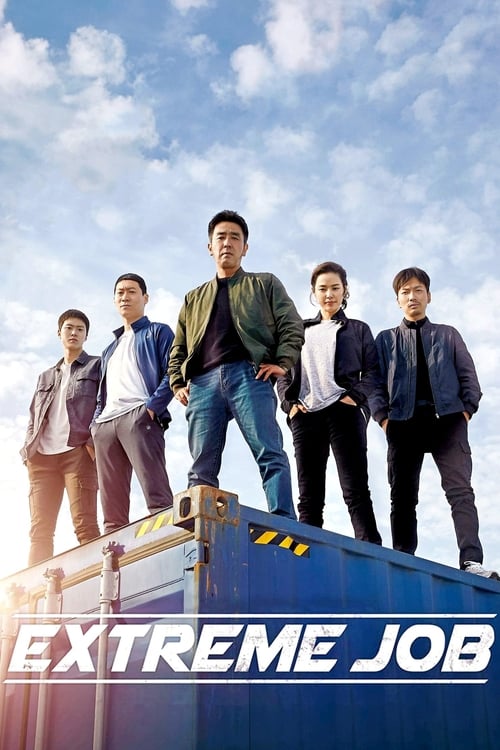
Extreme Job
A drug squad attempts to take down a criminal organization and they must go undercover to do so, so they begin working at a chicken restaurant, that becomes famous for its delicious chicken. Due to the unexpected popularity, the detectives find themselves in a situation they never expected.
Despite its small-scale budget of $8.1M, Extreme Job became a commercial juggernaut, earning $124.7M worldwide—a remarkable 1435% return. The film's unique voice engaged audiences, confirming that strong storytelling can transcend budget limitations.




Plot Structure
Story beats plotted across runtime


Narrative Arc
Emotional journey through the story's key moments
Story Circle
Blueprint 15-beat structure
Arcplot Score Breakdown
Weighted: Precision (70%) + Arc (15%) + Theme (15%)
Extreme Job (2019) exhibits meticulously timed plot construction, characteristic of Lee Byeong-heon's storytelling approach. This structural analysis examines how the film's 10-point plot structure maps to proven narrative frameworks across 1 hour and 51 minutes. With an Arcplot score of 6.4, the film takes an unconventional approach to traditional narrative frameworks.
Structural Analysis
The Status Quo at 1 minutes (1% through the runtime) establishes The undercover narcotics team, led by Chief Go, botches a drug bust operation, showcasing their incompetence and desperation. They are the laughingstock of the police department, facing potential disbandment.. The analysis reveals that this early placement immediately immerses viewers in the story world.
The inciting incident occurs at 14 minutes when The chicken restaurant owner suddenly announces he's closing down and wants to sell the business immediately, threatening their surveillance position. The team faces losing their only vantage point for the stakeout.. At 13% through the film, this Disruption is delayed, allowing extended setup of the story world. This beat shifts the emotional landscape, launching the protagonist into the central conflict.
The Collapse moment at 83 minutes (75% through) represents the emotional nadir. Here, Their cover is blown and the drug gang discovers they're police. The criminals take hostages and the team's greed and distraction has put innocent lives at risk. Chief Go realizes their obsession with the restaurant has compromised everything they stood for as officers., demonstrates the protagonist at their lowest point. This beat's placement in the final quarter sets up the climactic reversal.
The Synthesis at 88 minutes initiates the final act resolution at 79% of the runtime. The climactic raid on the drug operation. The team uses creative tactics learned from their restaurant experience combined with police work. An action-packed finale where they rescue hostages, apprehend the criminals, and prove their worth as detectives., demonstrating the transformation achieved throughout the journey.
Emotional Journey
Extreme Job's emotional architecture traces a deliberate progression across 10 carefully calibrated beats.
Narrative Framework
This structural analysis employs systematic plot point analysis that identifies crucial turning points. By mapping Extreme Job against these established plot points, we can identify how Lee Byeong-heon utilizes or subverts traditional narrative conventions. The plot point approach reveals not only adherence to structural principles but also creative choices that distinguish Extreme Job within the action genre.
Comparative Analysis
Additional action films include The Ministry of Ungentlemanly Warfare, The Bad Guys and Lake Placid.
Plot Points by Act
Act I
SetupStatus Quo
The undercover narcotics team, led by Chief Go, botches a drug bust operation, showcasing their incompetence and desperation. They are the laughingstock of the police department, facing potential disbandment.
Theme
A senior officer remarks that "real police work isn't about glory, it's about persistence and doing what needs to be done," establishing the theme of dedication versus recognition and unconventional methods leading to success.
Worldbuilding
Introduction of the five-member team: the earnest Chief Go, tech expert Jae-hoon, tough guy Ma, young eager Jang, and the by-the-book detective Yeong-ho. They receive one last chance to prove themselves by surveilling a major drug operation across from a fried chicken restaurant.
Disruption
The chicken restaurant owner suddenly announces he's closing down and wants to sell the business immediately, threatening their surveillance position. The team faces losing their only vantage point for the stakeout.
Resistance
The team debates whether to actually buy and run the chicken restaurant. They struggle with the logistics, cost, and absurdity of the plan. Chief Go reluctantly convinces them this is their only option to maintain surveillance on the drug gang.
Act II
ConfrontationPremise
The "fun and games" of detectives running a chicken restaurant. Their chicken becomes wildly popular, lines form around the block, and they're torn between police work and their thriving business. They conduct surveillance while managing hordes of customers.
Opposition
The team becomes increasingly divided between their police duty and restaurant profits. The drug gang grows suspicious of the surveillance. Internal conflicts arise about priorities. Media attention on the restaurant threatens to blow their cover completely.
Collapse
Their cover is blown and the drug gang discovers they're police. The criminals take hostages and the team's greed and distraction has put innocent lives at risk. Chief Go realizes their obsession with the restaurant has compromised everything they stood for as officers.
Crisis
The team faces the consequences of their divided loyalties. They must abandon the restaurant and their dreams of business success. Dark moment of reckoning where they question whether they're real cops or just failed entrepreneurs playing detective.
Act III
ResolutionSynthesis
The climactic raid on the drug operation. The team uses creative tactics learned from their restaurant experience combined with police work. An action-packed finale where they rescue hostages, apprehend the criminals, and prove their worth as detectives.