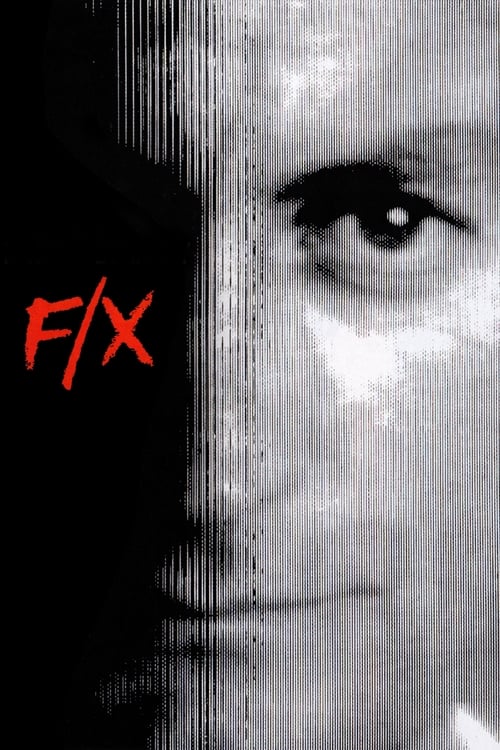
F/X
A movies special effects man is hired by a government agency to help stage the assassination of a well known gangster. When the agency double cross him, he uses his special effects to trap the gangster and the corrupt agents.
Despite its modest budget of $10.0M, F/X became a solid performer, earning $20.6M worldwide—a 106% return.


Plot Structure
Story beats plotted across runtime


Narrative Arc
Emotional journey through the story's key moments
Story Circle
Blueprint 15-beat structure
Arcplot Score Breakdown
Weighted: Precision (70%) + Arc (15%) + Theme (15%)
F/X (1986) demonstrates meticulously timed narrative architecture, characteristic of Robert Mandel's storytelling approach. This structural analysis examines how the film's 15-point plot structure maps to proven narrative frameworks across 1 hour and 49 minutes. With an Arcplot score of 7.7, the film showcases strong structural fundamentals.
Characters
Cast & narrative archetypes

Rollie Tyler
Leo McCarthy
Lt. Murdoch
Ellen
Col. Mason
Nicholas DeFranco
Main Cast & Characters
Rollie Tyler
Played by Bryan Brown
A special effects artist hired by the Justice Department to fake a mob witness's assassination, only to be betrayed and hunted.
Leo McCarthy
Played by Brian Dennehy
A veteran NYPD detective investigating the fake murder who becomes Rollie's unlikely ally.
Lt. Murdoch
Played by Cliff De Young
A corrupt Justice Department agent who orchestrates the conspiracy and tries to eliminate Rollie.
Ellen
Played by Diane Venora
Rollie's girlfriend who gets caught up in the danger and helps him survive.
Col. Mason
Played by Mason Adams
A Justice Department official who initially recruits Rollie but is part of the conspiracy.
Nicholas DeFranco
Played by Jerry Orbach
The mob witness whose death is being faked, caught in the middle of the conspiracy.
Structural Analysis
The Status Quo at 1 minutes (1% through the runtime) establishes Rollie Tyler stages a spectacular death sequence on a movie set, showcasing his mastery of special effects illusions. He's confident, successful, and at the top of his game in the world of movie magic.. Notably, this early placement immediately immerses viewers in the story world.
The inciting incident occurs at 13 minutes when Justice Department agent Lipton approaches Rollie with an unusual request: fake the assassination of mob witness Nicholas DeFranco to protect him from a hit. This government job will pull Rollie out of movies and into real danger.. At 12% through the film, this Disruption aligns precisely with traditional story structure. This beat shifts the emotional landscape, launching the protagonist into the central conflict.
The First Threshold at 27 minutes marks the transition into Act II, occurring at 25% of the runtime. This indicates the protagonist's commitment to Rollie commits to the plan and executes the fake assassination of DeFranco in a restaurant. He believes it's just another effects job, choosing to trust the government agents and cross into their world., moving from reaction to action.
At 54 minutes, the Midpoint arrives at 50% of the runtime—precisely centered, creating perfect narrative symmetry. Notably, this crucial beat Rollie's assistant Andy is murdered by Lipton's men when they raid the effects workshop. The stakes become deadly real - this isn't a game anymore. Innocent people in Rollie's life are dying. False defeat: he seems outmatched., fundamentally raising what's at risk. The emotional intensity shifts, dividing the narrative into clear before-and-after phases.
The Collapse moment at 81 minutes (74% through) represents the emotional nadir. Here, Ellen is murdered by Lipton's men. The woman Rollie loves dies because of his involvement in this conspiracy. The "whiff of death" is literal and personal - his innocent girlfriend pays the ultimate price for his choices., illustrates the protagonist at their lowest point. This beat's placement in the final quarter sets up the climactic reversal.
The Second Threshold at 87 minutes initiates the final act resolution at 80% of the runtime. Rollie synthesizes his special effects expertise with his new understanding of the real-world conspiracy. He devises a plan to use illusion one final time - not for entertainment, but for justice and revenge., demonstrating the transformation achieved throughout the journey.
Emotional Journey
F/X's emotional architecture traces a deliberate progression across 15 carefully calibrated beats.
Narrative Framework
This structural analysis employs systematic plot point analysis that identifies crucial turning points. By mapping F/X against these established plot points, we can identify how Robert Mandel utilizes or subverts traditional narrative conventions. The plot point approach reveals not only adherence to structural principles but also creative choices that distinguish F/X within the action genre.
Robert Mandel's Structural Approach
Among the 3 Robert Mandel films analyzed on Arcplot, the average structural score is 6.9, demonstrating varied approaches to story architecture. F/X represents one of the director's most structurally precise works. For comparative analysis, explore the complete Robert Mandel filmography.
Comparative Analysis
Additional action films include The Bad Guys, Puss in Boots and Venom: The Last Dance. For more Robert Mandel analyses, see School Ties, The Substitute.
Plot Points by Act
Act I
SetupStatus Quo
Rollie Tyler stages a spectacular death sequence on a movie set, showcasing his mastery of special effects illusions. He's confident, successful, and at the top of his game in the world of movie magic.
Theme
Rollie's girlfriend Ellen warns him "You live in a world of make-believe" when discussing the government job offer. The theme: distinguishing reality from illusion, and the danger of trusting appearances.
Worldbuilding
Establishing Rollie's life as a special effects master, his relationship with Ellen, his workshop filled with illusions, and the colorful crew he works with. Introduction of his technical genius and artistic pride.
Disruption
Justice Department agent Lipton approaches Rollie with an unusual request: fake the assassination of mob witness Nicholas DeFranco to protect him from a hit. This government job will pull Rollie out of movies and into real danger.
Resistance
Rollie debates taking the job, negotiates his fee, meets with federal agents, and plans the fake assassination. He wrestles with moving from movie fantasy to a real-world deception with life-or-death stakes.
Act II
ConfrontationFirst Threshold
Rollie commits to the plan and executes the fake assassination of DeFranco in a restaurant. He believes it's just another effects job, choosing to trust the government agents and cross into their world.
Mirror World
Rollie discovers the assassination was REAL - DeFranco is actually dead. He realizes he's been used as a patsy in a genuine murder. The relationship with Lipton becomes the dark mirror showing betrayal where there should be trust.
Premise
The promise of the premise: Rollie on the run, using his special effects skills to survive in the real world. He evades corrupt federal agents, stages illusions to escape death, and investigates who set him up.
Midpoint
Rollie's assistant Andy is murdered by Lipton's men when they raid the effects workshop. The stakes become deadly real - this isn't a game anymore. Innocent people in Rollie's life are dying. False defeat: he seems outmatched.
Opposition
Pressure intensifies as Lipton hunts Rollie relentlessly. Rollie investigates deeper, discovers the conspiracy involves stolen mob money. He teams reluctantly with cop Leo McCarthy, but the walls close in from all sides.
Collapse
Ellen is murdered by Lipton's men. The woman Rollie loves dies because of his involvement in this conspiracy. The "whiff of death" is literal and personal - his innocent girlfriend pays the ultimate price for his choices.
Crisis
Rollie processes the devastating loss of Ellen, confronting his grief and rage. The darkness of having his illusion-filled world shattered completely. He must find the will to continue despite losing everything that mattered.
Act III
ResolutionSecond Threshold
Rollie synthesizes his special effects expertise with his new understanding of the real-world conspiracy. He devises a plan to use illusion one final time - not for entertainment, but for justice and revenge.
Synthesis
The finale showdown where Rollie uses elaborate special effects to trap and expose the corrupt agents. He stages illusions to get close to Lipton, confronts the conspiracy, and brings the perpetrators to justice with McCarthy's help.
Transformation
Rollie returns to his workshop, now understanding the profound difference between illusion and reality. He's no longer naive about how his skills can be weaponized. Transformed from innocent artist to someone who knows the darkness behind appearances.