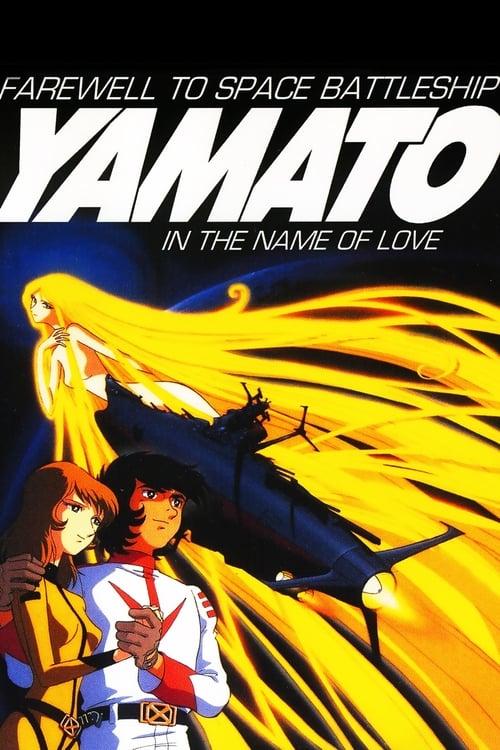
Farewell to Space Battleship Yamato
The Yamato and her crew face the onslaught of the Comet Empire, a civilization from the Andromeda Galaxy who seek to conquer Earth, led by Prince Zordar. They have harnessed a comet and is using its terrible power to unleash destruction upon its rivals and inferiors... which are in fact everyone. The Space Battleship Yamato heads back into action. But this time, it shall not return, and much of the Yamato crew have signed on for their last voyage.
Despite its tight budget of $3.6M, Farewell to Space Battleship Yamato became a massive hit, earning $43.0M worldwide—a remarkable 1094% return. The film's compelling narrative attracted moviegoers, illustrating how strong storytelling can transcend budget limitations.
Plot Structure
Story beats plotted across runtime


Narrative Arc
Emotional journey through the story's key moments
Story Circle
Blueprint 15-beat structure
Arcplot Score Breakdown
Weighted: Precision (70%) + Arc (15%) + Theme (15%)
Farewell to Space Battleship Yamato (1978) reveals deliberately positioned plot construction, characteristic of Toshio Masuda's storytelling approach. This structural analysis examines how the film's 15-point plot structure maps to proven narrative frameworks across 2 hours and 31 minutes. With an Arcplot score of 7.2, the film balances conventional beats with creative variation.
Characters
Cast & narrative archetypes

Susumu Kodai
Yuki Mori
Daisuke Shima
Shirō Sanada
Dr. Sakezan
Analyzer
Main Cast & Characters
Susumu Kodai
Played by Kei Tomiyama
The passionate and determined captain of the Yamato who leads humanity's final stand against an existential threat.
Yuki Mori
Played by Yoko Asagami
The radar operator and Kodai's love interest who provides emotional grounding and technical expertise.
Daisuke Shima
Played by Yō Inoue
The loyal helmsman and Kodai's best friend who provides steadfast support and tactical skill.
Shirō Sanada
Played by Takeshi Aono
The analytical chief engineer whose scientific mind helps solve critical technical problems.
Dr. Sakezan
Played by Takeshi Aono
The ship's chief medical officer who tends to the crew's physical and emotional wounds.
Analyzer
Played by Kenichi Ogata
The loyal robot assistant who provides comic relief and technical support.
Structural Analysis
The Status Quo at 2 minutes (1% through the runtime) establishes Earth is at peace one year after the Yamato's return from Iscandar. Susumu Kodai and the crew have returned to normal lives, with Kodai and Yuki planning their future together.. The analysis reveals that this early placement immediately immerses viewers in the story world.
The inciting incident occurs at 16 minutes when The White Comet Empire appears, destroying entire star systems. Teresa's desperate plea for help reveals an unstoppable force heading toward Earth.. At 10% through the film, this Disruption aligns precisely with traditional story structure. This beat shifts the emotional landscape, launching the protagonist into the central conflict.
The First Threshold at 36 minutes marks the transition into Act II, occurring at 24% of the runtime. This reveals the protagonist's commitment to Kodai and the crew make the active choice to steal the Yamato and launch without authorization, committing themselves to the mission to save Teresa and stop the White Comet Empire., moving from reaction to action.
At 73 minutes, the Midpoint arrives at 48% of the runtime—precisely centered, creating perfect narrative symmetry. Of particular interest, this crucial beat The Yamato discovers the true scale of the White Comet Empire and Emperor Zordar's planet-fortress. What seemed like a rescue mission becomes a suicide mission - they are vastly outmatched., fundamentally raising what's at risk. The emotional intensity shifts, dividing the narrative into clear before-and-after phases.
The Collapse moment at 109 minutes (72% through) represents the emotional nadir. Here, The Yamato is critically damaged and nearly destroyed. Multiple crew members are killed. Yuki is mortally wounded. Teresa reveals the only way to stop Zordar requires the ultimate sacrifice., shows the protagonist at their lowest point. This beat's placement in the final quarter sets up the climactic reversal.
The Second Threshold at 120 minutes initiates the final act resolution at 79% of the runtime. Kodai realizes that true love means sacrifice - he must ram the Yamato into Zordar's fortress to save Earth. He understands Okita's lesson: some things are worth dying for., demonstrating the transformation achieved throughout the journey.
Emotional Journey
Farewell to Space Battleship Yamato's emotional architecture traces a deliberate progression across 15 carefully calibrated beats.
Narrative Framework
This structural analysis employs a 15-point narrative structure framework that maps key story moments. By mapping Farewell to Space Battleship Yamato against these established plot points, we can identify how Toshio Masuda utilizes or subverts traditional narrative conventions. The plot point approach reveals not only adherence to structural principles but also creative choices that distinguish Farewell to Space Battleship Yamato within the animation genre.
Toshio Masuda's Structural Approach
Among the 2 Toshio Masuda films analyzed on Arcplot, the average structural score is 7.1, reflecting strong command of classical structure. Farewell to Space Battleship Yamato represents one of the director's most structurally precise works. For comparative analysis, explore the complete Toshio Masuda filmography.
Comparative Analysis
Additional animation films include The Bad Guys, Puss in Boots and Violet Evergarden: Eternity and the Auto Memory Doll. For more Toshio Masuda analyses, see Tora! Tora! Tora!.
Plot Points by Act
Act I
SetupStatus Quo
Earth is at peace one year after the Yamato's return from Iscandar. Susumu Kodai and the crew have returned to normal lives, with Kodai and Yuki planning their future together.
Theme
Captain Okita's spirit reminds the crew that true sacrifice means giving everything for those you love and for the future of humanity.
Worldbuilding
Establishment of Earth's peaceful recovery, the Yamato crew's civilian lives, Kodai and Yuki's romance, and introduction of Teresa's mysterious distress call from across the galaxy.
Disruption
The White Comet Empire appears, destroying entire star systems. Teresa's desperate plea for help reveals an unstoppable force heading toward Earth.
Resistance
The crew debates whether to launch the Yamato without orders. Kodai struggles between duty to Earth and his desire for a peaceful life with Yuki. Earth Defense Force is divided on the threat's severity.
Act II
ConfrontationFirst Threshold
Kodai and the crew make the active choice to steal the Yamato and launch without authorization, committing themselves to the mission to save Teresa and stop the White Comet Empire.
Mirror World
Teresa appears as a spiritual presence, representing pure sacrifice and hope. Her relationship with the crew, especially Kodai, embodies the theme of willing self-sacrifice for love.
Premise
The Yamato journeys through space toward Teresa's planet, engaging in spectacular battles with the White Comet's advance forces, showcasing the ship's power and the crew's heroism.
Midpoint
The Yamato discovers the true scale of the White Comet Empire and Emperor Zordar's planet-fortress. What seemed like a rescue mission becomes a suicide mission - they are vastly outmatched.
Opposition
The White Comet Empire launches its assault on Earth. The Yamato faces overwhelming firepower. Crew members begin dying. Earth's defense fleet is annihilated. Zordar's forces close in from all sides.
Collapse
The Yamato is critically damaged and nearly destroyed. Multiple crew members are killed. Yuki is mortally wounded. Teresa reveals the only way to stop Zordar requires the ultimate sacrifice.
Crisis
Kodai holds the dying Yuki and faces the darkest moment - losing his love and possibly all of humanity. The crew mourns their losses and contemplates the meaning of their mission.
Act III
ResolutionSecond Threshold
Kodai realizes that true love means sacrifice - he must ram the Yamato into Zordar's fortress to save Earth. He understands Okita's lesson: some things are worth dying for.
Synthesis
The Yamato makes its final assault. Kodai and the remaining crew execute their suicide run, crashing the ship into the White Comet's core. The fortress is destroyed, Earth is saved.
Transformation
The Yamato is destroyed, the crew dead. Earth survives but at the cost of its greatest heroes. The final image shows the wreckage floating in space - sacrifice completed, future secured.