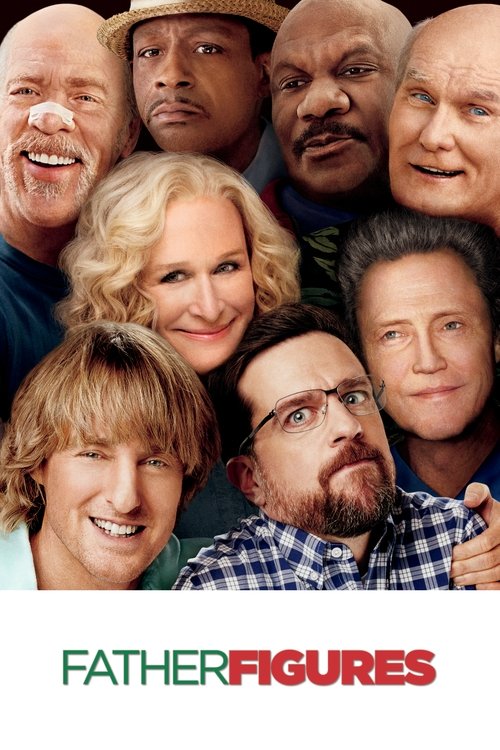
Father Figures
Upon learning that their mother has been lying to them for years about their allegedly deceased father, two fraternal twin brothers hit the road in order to find him.
Working with a mid-range budget of $25.0M, the film achieved a respectable showing with $25.6M in global revenue (+2% profit margin).






Plot Structure
Story beats plotted across runtime


Narrative Arc
Emotional journey through the story's key moments
Story Circle
Blueprint 15-beat structure
Arcplot Score Breakdown
Weighted: Precision (70%) + Arc (15%) + Theme (15%)
Father Figures (2017) demonstrates deliberately positioned dramatic framework, characteristic of Lawrence Sher's storytelling approach. This structural analysis examines how the film's 15-point plot structure maps to proven narrative frameworks across 1 hour and 53 minutes. With an Arcplot score of 7.3, the film balances conventional beats with creative variation.
Structural Analysis
The Status Quo at 1 minutes (1% through the runtime) establishes Peter and Kyle are introduced as twins living separate, unfulfilled lives - Peter is a divorced proctologist, Kyle is an unmotivated slacker with commitment issues.. Notably, this early placement immediately immerses viewers in the story world.
The inciting incident occurs at 13 minutes when At their mother's wedding, she drunkenly reveals that their father didn't die - she lied, and she doesn't actually know who their real father is.. At 12% through the film, this Disruption aligns precisely with traditional story structure. This beat shifts the emotional landscape, launching the protagonist into the central conflict.
The First Threshold at 27 minutes marks the transition into Act II, occurring at 24% of the runtime. This reveals the protagonist's commitment to Peter and Kyle make the active choice to embark on a road trip together to find their real father, leaving their normal lives behind., moving from reaction to action.
At 56 minutes, the Midpoint arrives at 49% of the runtime—precisely centered, creating perfect narrative symmetry. Notably, this crucial beat The brothers believe they've found their real father (J.K. Simmons as a veterinarian), experiencing a false victory as they bond with him and imagine a new family connection., fundamentally raising what's at risk. The emotional intensity shifts, dividing the narrative into clear before-and-after phases.
The Collapse moment at 84 minutes (75% through) represents the emotional nadir. Here, The brothers have a major fight and split up. Peter faces the "death" of his hope for finding his father and reconnecting with his brother, hitting emotional rock bottom., reveals the protagonist at their lowest point. This beat's placement in the final quarter sets up the climactic reversal.
The Second Threshold at 90 minutes initiates the final act resolution at 80% of the runtime. The brothers realize that finding their biological father matters less than the brotherhood they've rediscovered. They reconcile and decide to face their mother together., demonstrating the transformation achieved throughout the journey.
Emotional Journey
Father Figures's emotional architecture traces a deliberate progression across 15 carefully calibrated beats.
Narrative Framework
This structural analysis employs a 15-point narrative structure framework that maps key story moments. By mapping Father Figures against these established plot points, we can identify how Lawrence Sher utilizes or subverts traditional narrative conventions. The plot point approach reveals not only adherence to structural principles but also creative choices that distinguish Father Figures within the comedy genre.
Comparative Analysis
Additional comedy films include The Ministry of Ungentlemanly Warfare, The Bad Guys and Lake Placid.
Plot Points by Act
Act I
SetupStatus Quo
Peter and Kyle are introduced as twins living separate, unfulfilled lives - Peter is a divorced proctologist, Kyle is an unmotivated slacker with commitment issues.
Theme
Their mother mentions how knowing who your father is shapes who you become, hinting at the core theme of identity and legacy.
Worldbuilding
Establishment of the twins' dysfunctional relationship, their mother's wedding, and the story they've been told their whole lives about their father dying before they were born.
Disruption
At their mother's wedding, she drunkenly reveals that their father didn't die - she lied, and she doesn't actually know who their real father is.
Resistance
The brothers debate whether to search for their father. Peter is initially resistant but Kyle convinces him. They get a name from their mother and begin to plan their journey.
Act II
ConfrontationFirst Threshold
Peter and Kyle make the active choice to embark on a road trip together to find their real father, leaving their normal lives behind.
Mirror World
The brothers meet their first "father" candidate (Terry Bradshaw), beginning the relationship subplot that will force them to examine what family really means.
Premise
The fun road trip section where the brothers visit multiple potential fathers, have comedic misadventures, and gradually begin to bond despite their differences.
Midpoint
The brothers believe they've found their real father (J.K. Simmons as a veterinarian), experiencing a false victory as they bond with him and imagine a new family connection.
Opposition
DNA tests and further investigation keep proving their leads wrong. The brothers' relationship becomes strained as old rivalries resurface and they question the entire journey.
Collapse
The brothers have a major fight and split up. Peter faces the "death" of his hope for finding his father and reconnecting with his brother, hitting emotional rock bottom.
Crisis
Both brothers separately reflect on their journey and what they've learned about themselves, family, and each other during their dark night of the soul.
Act III
ResolutionSecond Threshold
The brothers realize that finding their biological father matters less than the brotherhood they've rediscovered. They reconcile and decide to face their mother together.
Synthesis
The brothers confront their mother, make peace with their origin story, and apply their newfound bond to improve their individual lives and relationships.
Transformation
Final image shows the brothers together and connected, having found what they were really looking for - not a father, but each other as family.