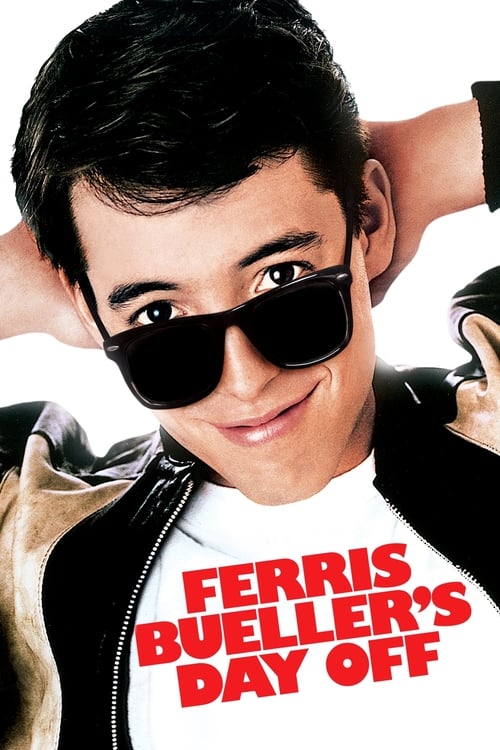
Ferris Bueller's Day Off
After high school slacker Ferris Bueller successfully fakes an illness in order to skip school for the day, he goes on a series of adventures throughout Chicago with his girlfriend Sloane and best friend Cameron, all the while trying to outwit his wily school principal and fed-up sister.
Despite its tight budget of $6.0M, Ferris Bueller's Day Off became a runaway success, earning $70.1M worldwide—a remarkable 1068% return. The film's distinctive approach found its audience, illustrating how strong storytelling can transcend budget limitations.
3 wins & 1 nomination


Plot Structure
Story beats plotted across runtime


Narrative Arc
Emotional journey through the story's key moments
Story Circle
Blueprint 15-beat structure
Arcplot Score Breakdown
Weighted: Precision (70%) + Arc (15%) + Theme (15%)
Ferris Bueller's Day Off (1986) demonstrates meticulously timed story structure, characteristic of John Hughes's storytelling approach. This structural analysis examines how the film's 15-point plot structure maps to proven narrative frameworks across 1 hour and 43 minutes. With an Arcplot score of 7.0, the film balances conventional beats with creative variation.
Characters
Cast & narrative archetypes

Ferris Bueller
Cameron Frye
Sloane Peterson
Ed Rooney
Jeanie Bueller
Main Cast & Characters
Ferris Bueller
Played by Matthew Broderick
A charismatic high school senior who orchestrates an elaborate day off, manipulating everyone around him with charm and cunning.
Cameron Frye
Played by Alan Ruck
Ferris's anxious, hypochondriac best friend who struggles with fear and parental pressure throughout their adventure.
Sloane Peterson
Played by Mia Sara
Ferris's girlfriend who joins the day off adventure, serving as a grounding presence and romantic partner.
Ed Rooney
Played by Jeffrey Jones
The pompous dean of students obsessed with catching Ferris and proving his truancy, becoming increasingly unhinged in his pursuit.
Jeanie Bueller
Played by Jennifer Grey
Ferris's bitter, jealous younger sister who resents his ability to get away with everything while she follows the rules.
Structural Analysis
The Status Quo at 1 minutes (1% through the runtime) establishes Ferris breaks the fourth wall in his bedroom, explaining his philosophy on life and his ninth sick day of the semester. Establishes his clever, charismatic manipulation of the system and complete lack of consequences.. Structural examination shows that this early placement immediately immerses viewers in the story world.
The inciting incident occurs at 12 minutes when Ferris decides to take the day off and convinces Cameron to join him. The disruption is Ferris's active choice to break free, setting the adventure in motion and forcing Cameron out of his sick bed.. At 12% through the film, this Disruption aligns precisely with traditional story structure. This beat shifts the emotional landscape, launching the protagonist into the central conflict.
The First Threshold at 25 minutes marks the transition into Act II, occurring at 25% of the runtime. This demonstrates the protagonist's commitment to Cameron makes the choice to take his father's Ferrari, declaring "He never drives it! He just rubs it with a diaper!" The trio officially enters their adventure into Chicago, leaving the suburban world behind., moving from reaction to action.
At 51 minutes, the Midpoint arrives at 50% of the runtime—precisely centered, creating perfect narrative symmetry. Notably, this crucial beat False victory: Ferris commands the parade, leading thousands in "Twist and Shout," achieving peak triumph. Meanwhile, Principal Rooney breaks into the Bueller house, raising stakes. The fun has peaked; consequences are approaching., fundamentally raising what's at risk. The emotional intensity shifts, dividing the narrative into clear before-and-after phases.
The Collapse moment at 76 minutes (74% through) represents the emotional nadir. Here, Cameron discovers the mileage on the Ferrari. He catatonic with fear, falling into the pool. Ferris rescues him but Cameron remains despondent. "I killed the car" - symbolic death of Cameron's old self and his relationship with his controlling father., demonstrates the protagonist at their lowest point. This beat's placement in the final quarter sets up the climactic reversal.
The Second Threshold at 82 minutes initiates the final act resolution at 79% of the runtime. Cameron has his breakthrough: "I am not going to sit on my ass as the events that affect me unfold. I'm going to take a stand." He kicks the Ferrari, sending it crashing through the glass. He chooses confrontation over fear, synthesizing Ferris's lesson with his own agency., demonstrating the transformation achieved throughout the journey.
Emotional Journey
Ferris Bueller's Day Off's emotional architecture traces a deliberate progression across 15 carefully calibrated beats.
Narrative Framework
This structural analysis employs a 15-point narrative structure framework that maps key story moments. By mapping Ferris Bueller's Day Off against these established plot points, we can identify how John Hughes utilizes or subverts traditional narrative conventions. The plot point approach reveals not only adherence to structural principles but also creative choices that distinguish Ferris Bueller's Day Off within the comedy genre.
John Hughes's Structural Approach
Among the 8 John Hughes films analyzed on Arcplot, the average structural score is 7.0, reflecting strong command of classical structure. Ferris Bueller's Day Off takes a more unconventional approach compared to the director's typical style. For comparative analysis, explore the complete John Hughes filmography.
Comparative Analysis
Additional comedy films include The Bad Guys, Ella Enchanted and The Evening Star. For more John Hughes analyses, see She's Having a Baby, Curly Sue and Weird Science.
Plot Points by Act
Act I
SetupStatus Quo
Ferris breaks the fourth wall in his bedroom, explaining his philosophy on life and his ninth sick day of the semester. Establishes his clever, charismatic manipulation of the system and complete lack of consequences.
Theme
Ferris tells the audience: "Life moves pretty fast. If you don't stop and look around once in a while, you could miss it." The film's central theme about seizing the day and breaking free from rigid expectations.
Worldbuilding
Ferris fakes illness to fool his parents. We meet his jealous sister Jeanie, uptight principal Ed Rooney who suspects Ferris, and neurotic best friend Cameron. Establishes the three forces: Ferris's charm, Rooney's obsession, and Cameron's anxiety.
Disruption
Ferris decides to take the day off and convinces Cameron to join him. The disruption is Ferris's active choice to break free, setting the adventure in motion and forcing Cameron out of his sick bed.
Resistance
Cameron resists, debating whether to take the Ferrari. Ferris manipulates him, springs Sloane from school, and they argue about using Cameron's father's prized car. Cameron's fear of consequences vs. Ferris's philosophy of living freely.
Act II
ConfrontationFirst Threshold
Cameron makes the choice to take his father's Ferrari, declaring "He never drives it! He just rubs it with a diaper!" The trio officially enters their adventure into Chicago, leaving the suburban world behind.
Mirror World
The relationship between Ferris and Cameron is crystallized at lunch. Ferris represents freedom and spontaneity; Cameron represents anxiety and repression. Sloane serves as the balancing force who enjoys the moment without either extreme.
Premise
The promise of the premise: a perfect day in Chicago. They pose as the "Sausage King of Chicago" at a fancy restaurant, visit the Art Institute, catch a Cubs game, join a parade where Ferris performs "Twist and Shout," and explore the city freely.
Midpoint
False victory: Ferris commands the parade, leading thousands in "Twist and Shout," achieving peak triumph. Meanwhile, Principal Rooney breaks into the Bueller house, raising stakes. The fun has peaked; consequences are approaching.
Opposition
The pressure builds: Rooney gets attacked by the family dog, Jeanie discovers him and calls police. Cameron becomes increasingly anxious about the Ferrari's mileage. The carefree adventure gives way to mounting tension and the reality of consequences.
Collapse
Cameron discovers the mileage on the Ferrari. He catatonic with fear, falling into the pool. Ferris rescues him but Cameron remains despondent. "I killed the car" - symbolic death of Cameron's old self and his relationship with his controlling father.
Crisis
Cameron lies catatonic. Ferris tries to fix the mileage by running the Ferrari in reverse. Dark night as they face the impossibility of erasing consequences. Cameron processes his breaking point in silence.
Act III
ResolutionSecond Threshold
Cameron has his breakthrough: "I am not going to sit on my ass as the events that affect me unfold. I'm going to take a stand." He kicks the Ferrari, sending it crashing through the glass. He chooses confrontation over fear, synthesizing Ferris's lesson with his own agency.
Synthesis
Ferris races home through backyards, pools, and houses to beat his parents. Rooney is humiliated by Jeanie and stranded at the bus stop. Cameron prepares to face his father. Each character confronts their final obstacle.
Transformation
Ferris back in bed, having made it home. He breaks the fourth wall one final time: "You're still here? It's over. Go home." The closing image mirrors the opening but Cameron has transformed from paralyzed to empowered. Ferris remains unchanged - he was already free.