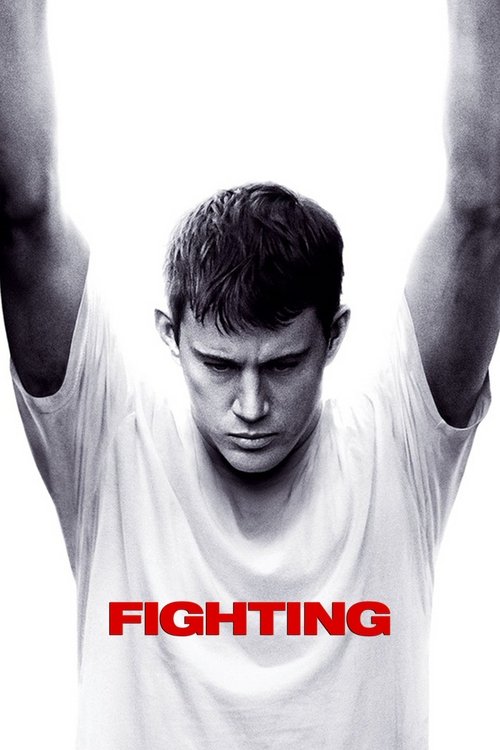
Fighting
Small-town boy Shawn MacArthur has come to New York City with nothing. Barely earning a living selling counterfeit goods on the streets, his luck changes when scam artist Harvey Boarden sees that he has a natural talent for streetfighting. When Harvey offers Shawn help at making the real cash, the two form an uneasy partnership.
The film earned $32.5M at the global box office.


Plot Structure
Story beats plotted across runtime


Narrative Arc
Emotional journey through the story's key moments
Story Circle
Blueprint 15-beat structure
Arcplot Score Breakdown
Weighted: Precision (70%) + Arc (15%) + Theme (15%)
Fighting (2009) exhibits strategically placed narrative architecture, characteristic of Dito Montiel's storytelling approach. This structural analysis examines how the film's 15-point plot structure maps to proven narrative frameworks across 1 hour and 45 minutes. With an Arcplot score of 7.4, the film balances conventional beats with creative variation.
Characters
Cast & narrative archetypes

Shawn MacArthur
Harvey Boarden
Zulay Velez
Martinez
Evan Hailey
Jack Dancing
Main Cast & Characters
Shawn MacArthur
Played by Channing Tatum
A small-town hustler who becomes an underground street fighter in New York City, seeking to escape poverty and build a better life.
Harvey Boarden
Played by Terrence Howard
A smooth-talking ticket scalper and con artist who discovers Shawn and becomes his manager in the underground fighting circuit.
Zulay Velez
Played by Zulay Henao
A single mother and waitress who becomes romantically involved with Shawn, grounding him emotionally.
Martinez
Played by Luis Guzmán
A wealthy and powerful fight promoter who controls the high-stakes underground fighting scene.
Evan Hailey
Played by Brian J. White
A dominant and brutal champion fighter who serves as Shawn's ultimate opponent in the underground circuit.
Jack Dancing
Played by Roger Guenveur Smith
Harvey's ruthless loan shark creditor who pressures him for repayment, creating additional stakes.
Structural Analysis
The Status Quo at 1 minutes (1% through the runtime) establishes Shawn MacArthur hustles on the streets of New York, selling counterfeit goods and barely scraping by. He's broke, directionless, living in a cramped apartment, embodying the struggling outsider trying to survive in the city.. Significantly, this early placement immediately immerses viewers in the story world.
The inciting incident occurs at 13 minutes when Shawn gets robbed and loses his entire inventory of counterfeit merchandise. His survival hustle is destroyed, leaving him with nothing and no way to make money. The old life becomes untenable.. At 12% through the film, this Disruption aligns precisely with traditional story structure. This beat shifts the emotional landscape, launching the protagonist into the central conflict.
The First Threshold at 25 minutes marks the transition into Act II, occurring at 24% of the runtime. This illustrates the protagonist's commitment to Shawn makes the active choice to enter his first underground fight. He steps into the warehouse arena, accepting Harvey's offer and committing to this dangerous new path to make money and prove himself., moving from reaction to action.
At 53 minutes, the Midpoint arrives at 51% of the runtime—precisely centered, creating perfect narrative symmetry. Of particular interest, this crucial beat Shawn wins a major fight and earns significant money. False victory: he seems to have found his path and success, but the stakes are raised as he's challenged to fight increasingly dangerous opponents. Harvey reveals the high-stakes championship fight opportunity., fundamentally raising what's at risk. The emotional intensity shifts, dividing the narrative into clear before-and-after phases.
The Collapse moment at 78 minutes (75% through) represents the emotional nadir. Here, Shawn discovers Harvey has been manipulating him and betting against him. The trust is shattered, and the entire enterprise feels corrupt. Metaphorical death of innocence and the mentor relationship. Shawn realizes he's been used., indicates the protagonist at their lowest point. This beat's placement in the final quarter sets up the climactic reversal.
The Second Threshold at 83 minutes initiates the final act resolution at 79% of the runtime. Shawn realizes he needs to fight the final championship match not for Harvey or money, but for himself and to prove his worth to Zulay. He synthesizes the fighting skills Harvey taught him with his own authentic purpose. He confronts Harvey and sets his own terms., demonstrating the transformation achieved throughout the journey.
Emotional Journey
Fighting's emotional architecture traces a deliberate progression across 15 carefully calibrated beats.
Narrative Framework
This structural analysis employs a 15-point narrative structure framework that maps key story moments. By mapping Fighting against these established plot points, we can identify how Dito Montiel utilizes or subverts traditional narrative conventions. The plot point approach reveals not only adherence to structural principles but also creative choices that distinguish Fighting within the action genre.
Comparative Analysis
Additional action films include The Bad Guys, Puss in Boots and Venom: The Last Dance.
Plot Points by Act
Act I
SetupStatus Quo
Shawn MacArthur hustles on the streets of New York, selling counterfeit goods and barely scraping by. He's broke, directionless, living in a cramped apartment, embodying the struggling outsider trying to survive in the city.
Theme
Harvey tells Shawn, "In this world, you gotta take what's yours." The theme emerges: survival requires fighting for your place, whether literal or metaphorical, and finding what you're truly worth.
Worldbuilding
Establishment of Shawn's desperate situation, his street hustling operation, the hostile urban environment. Introduction of Harvey Boarden watching Shawn defend himself in a street confrontation, seeing potential. The underground fighting world is hinted at.
Disruption
Shawn gets robbed and loses his entire inventory of counterfeit merchandise. His survival hustle is destroyed, leaving him with nothing and no way to make money. The old life becomes untenable.
Resistance
Harvey tracks Shawn down and proposes the fighting opportunity. Shawn is skeptical and resistant, questioning whether he can really do this. Harvey mentors him, explains the money, the rules, and begins preparing him psychologically for this new world.
Act II
ConfrontationFirst Threshold
Shawn makes the active choice to enter his first underground fight. He steps into the warehouse arena, accepting Harvey's offer and committing to this dangerous new path to make money and prove himself.
Mirror World
Shawn meets Zulay, a single mother working at a restaurant. She represents the possibility of connection, stability, and a life beyond fighting. Their relationship will reflect the film's theme about what truly matters and what you're fighting for.
Premise
The "fun and games" of underground fighting. Shawn wins fights, makes money, gains confidence. Montage of victories, growing chemistry with Zulay, Harvey managing him through the circuit. The promise of the premise delivers: watching an underdog rise.
Midpoint
Shawn wins a major fight and earns significant money. False victory: he seems to have found his path and success, but the stakes are raised as he's challenged to fight increasingly dangerous opponents. Harvey reveals the high-stakes championship fight opportunity.
Opposition
Pressure mounts as Shawn faces tougher fighters. Harvey's gambling debts and shady dealings surface, complicating their partnership. Zulay expresses concern about the violence. Shawn's internal conflict grows between the money/pride of fighting and the life he wants with Zulay.
Collapse
Shawn discovers Harvey has been manipulating him and betting against him. The trust is shattered, and the entire enterprise feels corrupt. Metaphorical death of innocence and the mentor relationship. Shawn realizes he's been used.
Crisis
Shawn confronts the darkness of what he's become and what he's doing. He processes the betrayal, questions his choices, and must decide what he's truly fighting for. Emotional low point as he contemplates walking away from everything.
Act III
ResolutionSecond Threshold
Shawn realizes he needs to fight the final championship match not for Harvey or money, but for himself and to prove his worth to Zulay. He synthesizes the fighting skills Harvey taught him with his own authentic purpose. He confronts Harvey and sets his own terms.
Synthesis
The final championship fight. Shawn enters the arena on his own terms, fights with authentic purpose rather than desperation. He overcomes his toughest opponent, proving himself. Resolution with Harvey and reconciliation with Zulay as he chooses connection over glory.
Transformation
Shawn walks away from the fighting world with Zulay, choosing relationship and authentic life over the hustle and violence. Mirror to opening: he's still in New York, but transformed from desperate hustler to man who knows his worth and what truly matters.