
From the Hip
Apprentice lawyer Robin "Stormy" Weathers turns a civil suit into a headline grabbing charade. He must re-examine his scruples after his shenanigans win him a promotion in his firm, and he must now defend a college professor who is apparently guilty of murder.
Working with a tight budget of $9.0M, the film achieved a modest success with $9.5M in global revenue (+6% profit margin).


Plot Structure
Story beats plotted across runtime


Narrative Arc
Emotional journey through the story's key moments
Story Circle
Blueprint 15-beat structure
Arcplot Score Breakdown
Weighted: Precision (70%) + Arc (15%) + Theme (15%)
From the Hip (1987) demonstrates precise narrative architecture, characteristic of Bob Clark's storytelling approach. This structural analysis examines how the film's 15-point plot structure maps to proven narrative frameworks across 1 hour and 51 minutes. With an Arcplot score of 6.8, the film balances conventional beats with creative variation.
Characters
Cast & narrative archetypes
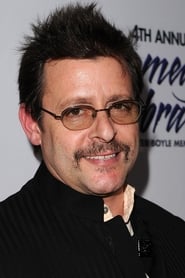
Robin "Stormy" Weathers

Jo Ann
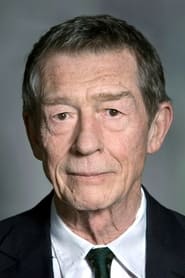
Douglas Benoit
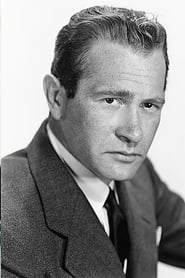
Craig Duncan
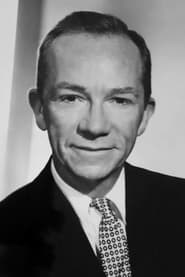
District Attorney Winnaker
Main Cast & Characters
Robin "Stormy" Weathers
Played by Judd Nelson
An ambitious, unconventional young defense attorney who uses flashy courtroom tactics to win cases at any cost.
Jo Ann
Played by Elizabeth Perkins
Stormy's girlfriend and law school classmate who challenges his ethics and provides moral grounding.
Douglas Benoit
Played by John Hurt
A distinguished senior partner at the law firm who becomes Stormy's mentor and guide in professional conduct.
Craig Duncan
Played by Darren McGavin
A college professor accused of murder who becomes Stormy's most challenging and morally complex client.
District Attorney Winnaker
Played by Ray Walston
The aggressive prosecutor opposing Stormy in the murder trial, representing the establishment legal system.
Structural Analysis
The Status Quo at 1 minutes (1% through the runtime) establishes Robin "Stormy" Weathers shows his brash, unconventional courtroom style as a young defense attorney, playing to the jury with theatrics and charm rather than dignified legal strategy.. Significantly, this early placement immediately immerses viewers in the story world.
The inciting incident occurs at 14 minutes when Stormy is assigned to defend Douglas Benoit, a wealthy professor accused of murdering one of his students. The high-profile case could make or break his career at the firm.. At 12% through the film, this Disruption aligns precisely with traditional story structure. This beat shifts the emotional landscape, launching the protagonist into the central conflict.
The First Threshold at 29 minutes marks the transition into Act II, occurring at 26% of the runtime. This indicates the protagonist's commitment to Stormy decides to embrace his unconventional style fully, committing to defend Benoit with maximum showmanship. He enters the trial with confidence, ready to perform his way to victory., moving from reaction to action.
At 56 minutes, the Midpoint arrives at 51% of the runtime—precisely centered, creating perfect narrative symmetry. Structural examination shows that this crucial beat Stormy discovers evidence suggesting Benoit may actually be guilty. The false victory of his courtroom success turns into the realization that he may be helping a murderer go free., fundamentally raising what's at risk. The emotional intensity shifts, dividing the narrative into clear before-and-after phases.
The Collapse moment at 84 minutes (75% through) represents the emotional nadir. Here, Stormy becomes certain of Benoit's guilt but realizes he's legally obligated to continue the defense. His integrity dies as he faces the consequence of valuing performance over truth., indicates the protagonist at their lowest point. This beat's placement in the final quarter sets up the climactic reversal.
The Second Threshold at 90 minutes initiates the final act resolution at 81% of the runtime. Stormy realizes he can use his theatrical skills for truth rather than deception. He devises a courtroom strategy that will expose Benoit while staying within legal boundaries., demonstrating the transformation achieved throughout the journey.
Emotional Journey
From the Hip's emotional architecture traces a deliberate progression across 15 carefully calibrated beats.
Narrative Framework
This structural analysis employs systematic plot point analysis that identifies crucial turning points. By mapping From the Hip against these established plot points, we can identify how Bob Clark utilizes or subverts traditional narrative conventions. The plot point approach reveals not only adherence to structural principles but also creative choices that distinguish From the Hip within the comedy genre.
Bob Clark's Structural Approach
Among the 8 Bob Clark films analyzed on Arcplot, the average structural score is 7.1, reflecting strong command of classical structure. From the Hip takes a more unconventional approach compared to the director's typical style. For comparative analysis, explore the complete Bob Clark filmography.
Comparative Analysis
Additional comedy films include The Bad Guys, Ella Enchanted and The Evening Star. For more Bob Clark analyses, see Porky's, Superbabies: Baby Geniuses 2 and Baby Geniuses.
Plot Points by Act
Act I
SetupStatus Quo
Robin "Stormy" Weathers shows his brash, unconventional courtroom style as a young defense attorney, playing to the jury with theatrics and charm rather than dignified legal strategy.
Theme
A senior partner warns Stormy that showboating may win cases but won't earn respect: "The law isn't about performance, it's about integrity." The theme of substance versus style is established.
Worldbuilding
Establishment of Stormy's world: his flashy courtroom victories, tension with the conservative law firm, his relationship with aspiring attorney Jo Ann, and his ambition to make partner despite his unorthodox methods.
Disruption
Stormy is assigned to defend Douglas Benoit, a wealthy professor accused of murdering one of his students. The high-profile case could make or break his career at the firm.
Resistance
Stormy debates whether to use his usual theatrical approach on such a serious murder case. He meets with Benoit, investigates the case, and receives conflicting advice from mentors and Jo Ann about how to proceed.
Act II
ConfrontationFirst Threshold
Stormy decides to embrace his unconventional style fully, committing to defend Benoit with maximum showmanship. He enters the trial with confidence, ready to perform his way to victory.
Mirror World
Jo Ann becomes the thematic mirror, representing genuine legal integrity and ethical practice. Her growing concern about Stormy's methods contrasts with his win-at-all-costs mentality.
Premise
The "fun and games" of the trial: Stormy dazzles the courtroom with clever cross-examinations, media attention grows, and he becomes a celebrity attorney. His theatrical approach seems to be working perfectly.
Midpoint
Stormy discovers evidence suggesting Benoit may actually be guilty. The false victory of his courtroom success turns into the realization that he may be helping a murderer go free.
Opposition
Stormy struggles with his conscience as evidence mounts. The prosecution closes in, Jo Ann distances herself disapprovingly, and Benoit's true nature becomes increasingly apparent. Stormy's showmanship now feels hollow and dangerous.
Collapse
Stormy becomes certain of Benoit's guilt but realizes he's legally obligated to continue the defense. His integrity dies as he faces the consequence of valuing performance over truth.
Crisis
Stormy wrestles with the dark implications of his choices. He must decide whether to continue the charade or find a way to serve justice while honoring his legal duties.
Act III
ResolutionSecond Threshold
Stormy realizes he can use his theatrical skills for truth rather than deception. He devises a courtroom strategy that will expose Benoit while staying within legal boundaries.
Synthesis
The finale: Stormy executes his plan in court, combining his showmanship with genuine integrity. He maneuvers Benoit into revealing his guilt, serving both justice and the law.
Transformation
Stormy stands in the courtroom, transformed from a shallow performer into an attorney who uses his gifts for justice. He has learned to balance style with substance.