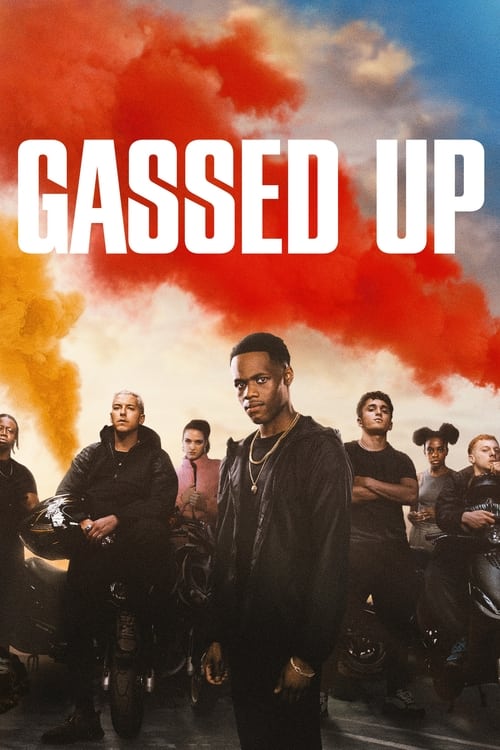
Gassed Up


Plot Structure
Story beats plotted across runtime


Narrative Arc
Emotional journey through the story's key moments
Story Circle
Blueprint 15-beat structure
Structural Analysis
The Status Quo at 1 minutes (1% through the runtime) establishes Aaron speeds through London streets on his delivery moped, showcasing his exceptional riding skills while working a legitimate but low-paying job. His cramped flat and his mother's financial stress establish his working-class world.. Significantly, this early placement immediately immerses viewers in the story world.
The inciting incident occurs at 12 minutes when Aaron's mother receives a final eviction notice - they have weeks to come up with thousands of pounds or lose their home. His legitimate job cannot possibly cover this debt, forcing him to consider other options.. At 12% through the film, this Disruption aligns precisely with traditional story structure. This beat shifts the emotional landscape, launching the protagonist into the central conflict.
The First Threshold at 26 minutes marks the transition into Act II, occurring at 25% of the runtime. This demonstrates the protagonist's commitment to Aaron makes the active choice to enter his first illegal street race, winning prize money. He's crossed into the criminal world - there's no going back to just being a delivery rider. The adrenaline and cash are intoxicating., moving from reaction to action.
At 51 minutes, the Midpoint arrives at 50% of the runtime—precisely centered, creating perfect narrative symmetry. The analysis reveals that this crucial beat Aaron achieves a major racing victory and is recruited by a powerful gang leader for higher-stakes work - drug running. This false victory raises the stakes significantly; he's moved from racing to actual crime, and the money is irresistible., fundamentally raising what's at risk. The emotional intensity shifts, dividing the narrative into clear before-and-after phases.
The Collapse moment at 77 minutes (75% through) represents the emotional nadir. Here, A drug run goes catastrophically wrong - someone close to Aaron is seriously hurt or killed, and the gang blames him. He's now a target from multiple directions. The death serves as his wake-up call to the real cost of this life., reveals the protagonist at their lowest point. This beat's placement in the final quarter sets up the climactic reversal.
The Second Threshold at 82 minutes initiates the final act resolution at 80% of the runtime. Aaron realizes he must confront the gang directly rather than run. With support from Eve and his mother's words echoing in his mind, he synthesizes his street skills with a new moral clarity - he'll use his talents to escape, not to profit., demonstrating the transformation achieved throughout the journey.
Emotional Journey
Gassed Up's emotional architecture traces a deliberate progression across 15 carefully calibrated beats.
Narrative Framework
This structural analysis employs proven narrative structure principles that track dramatic progression. By mapping Gassed Up against these established plot points, we can identify how George Amponsah utilizes or subverts traditional narrative conventions. The plot point approach reveals not only adherence to structural principles but also creative choices that distinguish Gassed Up within its genre.
Plot Points by Act
Act I
SetupStatus Quo
Aaron speeds through London streets on his delivery moped, showcasing his exceptional riding skills while working a legitimate but low-paying job. His cramped flat and his mother's financial stress establish his working-class world.
Theme
Aaron's mother warns him about the young men in their neighborhood who chase fast money: "Easy money is never easy - it always costs you something." This establishes the central thematic question about shortcuts and their true price.
Worldbuilding
We see Aaron's daily grind - the exhausting delivery work, his mother's mounting debts, the eviction notice, and the underground world of moped riders. His friend introduces him to the illegal racing scene where real money can be made.
Disruption
Aaron's mother receives a final eviction notice - they have weeks to come up with thousands of pounds or lose their home. His legitimate job cannot possibly cover this debt, forcing him to consider other options.
Resistance
Aaron debates his options, initially resisting the criminal path. He meets a veteran rider who introduces him to the racing circuit and hints at bigger opportunities. Aaron weighs the risks against his family's desperate situation.
Act II
ConfrontationFirst Threshold
Aaron makes the active choice to enter his first illegal street race, winning prize money. He's crossed into the criminal world - there's no going back to just being a delivery rider. The adrenaline and cash are intoxicating.
Mirror World
Aaron connects with Eve, a young woman who sees beyond his new flashy lifestyle. Their relationship offers an alternative vision of what success and happiness could look like - one that doesn't require criminality.
Premise
Aaron thrives in the racing world - winning races, making money, paying off debts, and rising in status. The film delivers on its promise of thrilling moped chases and the seductive lifestyle of underground London street culture.
Midpoint
Aaron achieves a major racing victory and is recruited by a powerful gang leader for higher-stakes work - drug running. This false victory raises the stakes significantly; he's moved from racing to actual crime, and the money is irresistible.
Opposition
The criminal world closes in. Rival gangs target Aaron, police surveillance intensifies, and the gang demands increasingly dangerous jobs. His relationship with Eve strains as she sees what he's becoming. His mother grows suspicious of his sudden wealth.
Collapse
A drug run goes catastrophically wrong - someone close to Aaron is seriously hurt or killed, and the gang blames him. He's now a target from multiple directions. The death serves as his wake-up call to the real cost of this life.
Crisis
Aaron spirals in guilt and fear. He hides from the gang, distances himself from Eve, and confronts his mother about his choices. Everything he built is collapsing, and he must face the truth of what his shortcuts have cost.
Act III
ResolutionSecond Threshold
Aaron realizes he must confront the gang directly rather than run. With support from Eve and his mother's words echoing in his mind, he synthesizes his street skills with a new moral clarity - he'll use his talents to escape, not to profit.
Synthesis
Aaron executes a plan to break free from the gang. A climactic chase sequence through London's streets showcases his riding skills one final time, but now in service of escape rather than crime. He confronts the gang leader and severs ties.
Transformation
Aaron rides through London again, but now as a changed man. He's returned to legitimate work, his relationship with his mother and Eve restored. The same streets, the same skills - but a different path. He's learned that easy money was never worth the cost.