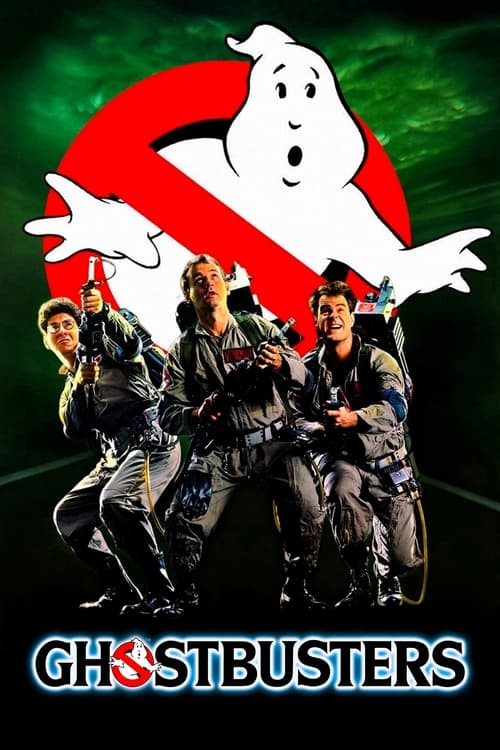
Ghostbusters
After losing their academic posts at a prestigious university, a team of parapsychologists goes into business as proton-pack-toting "ghostbusters" who exterminate ghouls, hobgoblins and supernatural pests of all stripes. An ad campaign pays off when a knockout cellist hires the squad to purge her swanky digs of demons that appear to be living in her refrigerator.
Despite a mid-range budget of $30.0M, Ghostbusters became a massive hit, earning $296.6M worldwide—a remarkable 889% return.
Nominated for 2 Oscars. 9 wins & 9 nominations


Plot Structure
Story beats plotted across runtime


Narrative Arc
Emotional journey through the story's key moments
Story Circle
Blueprint 15-beat structure
Arcplot Score Breakdown
Weighted: Precision (70%) + Arc (15%) + Theme (15%)
Ghostbusters (1984) exemplifies precise narrative design, characteristic of Ivan Reitman's storytelling approach. This structural analysis examines how the film's 15-point plot structure maps to proven narrative frameworks across 1 hour and 47 minutes. With an Arcplot score of 7.0, the film balances conventional beats with creative variation.
Characters
Cast & narrative archetypes

Dr. Peter Venkman
Dr. Raymond Stantz
Dr. Egon Spengler
Winston Zeddemore
Dana Barrett
Louis Tully
Walter Peck
Main Cast & Characters
Dr. Peter Venkman
Played by Bill Murray
A charming but cynical parapsychologist who leads the Ghostbusters with humor and self-interest, gradually learning responsibility.
Dr. Raymond Stantz
Played by Dan Aykroyd
An enthusiastic and passionate parapsychologist who is the heart and soul of the Ghostbusters, driven by genuine belief in the paranormal.
Dr. Egon Spengler
Played by Harold Ramis
A brilliant but eccentric scientist and engineer who designs the Ghostbusters' equipment with methodical precision and intellectual curiosity.
Winston Zeddemore
Played by Ernie Hudson
A practical everyman who joins the Ghostbusters as hired help and brings grounded common sense to the team.
Dana Barrett
Played by Sigourney Weaver
A classical musician whose apartment becomes a gateway for supernatural forces, drawing her into the Ghostbusters' world.
Louis Tully
Played by Rick Moranis
Dana's nerdy neighbor and accountant who becomes possessed by a demonic entity and later joins the Ghostbusters as their financial manager.
Walter Peck
Played by William Atherton
An officious EPA official who antagonizes the Ghostbusters and inadvertently causes a major paranormal disaster.
Structural Analysis
The Status Quo at 1 minutes (1% through the runtime) establishes Dr. Peter Venkman conducts dubious ESP experiments at Columbia University, more interested in flirting than science. Establishes him as a charming slacker in the academic world.. Of particular interest, this early placement immediately immerses viewers in the story world.
The inciting incident occurs at 13 minutes when The team is fired from Columbia University, losing their lab, funding, and academic legitimacy. Their research has no institutional support and they're now unemployed paranormal enthusiasts.. At 12% through the film, this Disruption aligns precisely with traditional story structure. This beat shifts the emotional landscape, launching the protagonist into the central conflict.
The First Threshold at 26 minutes marks the transition into Act II, occurring at 25% of the runtime. This shows the protagonist's commitment to The Ghostbusters successfully trap their first ghost at the Sedgewick Hotel (Slimer). They choose to fully commit to the business, proving their technology works and crossing into professional ghost elimination., moving from reaction to action.
At 52 minutes, the Midpoint arrives at 49% of the runtime—precisely centered, creating perfect narrative symmetry. The analysis reveals that this crucial beat False victory: The Ghostbusters are at peak success and celebrity. But simultaneously, Dana is possessed by Zuul and Louis by Vinz Clortho - the real supernatural threat emerges. Stakes raise from catching ghosts to preventing apocalypse., fundamentally raising what's at risk. The emotional intensity shifts, dividing the narrative into clear before-and-after phases.
The Collapse moment at 79 minutes (74% through) represents the emotional nadir. Here, Walter Peck forces the containment grid shutdown, releasing all captured ghosts onto New York City. The Ghostbusters are arrested and jailed. Their work is destroyed, the city descends into chaos, and they're blamed for the disaster. Complete professional death., indicates the protagonist at their lowest point. This beat's placement in the final quarter sets up the climactic reversal.
The Second Threshold at 85 minutes initiates the final act resolution at 79% of the runtime. The mayor believes the Ghostbusters and releases them to stop Gozer. Authority figures who dismissed them now depend on them. Armed with knowledge of Gozer and unified purpose, they head to Dana's building for final confrontation., demonstrating the transformation achieved throughout the journey.
Emotional Journey
Ghostbusters's emotional architecture traces a deliberate progression across 15 carefully calibrated beats.
Narrative Framework
This structural analysis employs a 15-point narrative structure framework that maps key story moments. By mapping Ghostbusters against these established plot points, we can identify how Ivan Reitman utilizes or subverts traditional narrative conventions. The plot point approach reveals not only adherence to structural principles but also creative choices that distinguish Ghostbusters within the comedy genre.
Ivan Reitman's Structural Approach
Among the 15 Ivan Reitman films analyzed on Arcplot, the average structural score is 7.1, reflecting strong command of classical structure. Ghostbusters takes a more unconventional approach compared to the director's typical style. For comparative analysis, explore the complete Ivan Reitman filmography.
Comparative Analysis
Additional comedy films include The Bad Guys, Ella Enchanted and The Evening Star. For more Ivan Reitman analyses, see Twins, Kindergarten Cop and No Strings Attached.
Plot Points by Act
Act I
SetupStatus Quo
Dr. Peter Venkman conducts dubious ESP experiments at Columbia University, more interested in flirting than science. Establishes him as a charming slacker in the academic world.
Theme
Dean Yeager tells the parapsychology team: "You have failed to produce any results." The theme: belief vs. skepticism, proving the unprovable, being taken seriously when you're right about something everyone dismisses.
Worldbuilding
Introduction to Venkman, Stantz, and Spengler as parapsychology researchers. First real ghost encounter at the library. Dean kicks them out of Columbia. The trio are true believers in a skeptical world.
Disruption
The team is fired from Columbia University, losing their lab, funding, and academic legitimacy. Their research has no institutional support and they're now unemployed paranormal enthusiasts.
Resistance
Ray mortgages his childhood home to fund a ghost catching business. They acquire the firehouse, Ecto-1, and equipment. First call from Dana Barrett about her haunted apartment. Debate about going into business vs. staying in academia.
Act II
ConfrontationFirst Threshold
The Ghostbusters successfully trap their first ghost at the Sedgewick Hotel (Slimer). They choose to fully commit to the business, proving their technology works and crossing into professional ghost elimination.
Mirror World
Venkman pursues a romantic relationship with Dana Barrett, the classically-trained musician who represents legitimacy and skepticism. She embodies the "normal world" that must learn to believe in the paranormal.
Premise
Ghostbusters become wildly successful and famous. Montage of ghost-catching, media appearances, merchandise. They hire Winston. Storage facility fills with trapped ghosts. The fun of being Ghostbusters - exactly what the premise promised.
Midpoint
False victory: The Ghostbusters are at peak success and celebrity. But simultaneously, Dana is possessed by Zuul and Louis by Vinz Clortho - the real supernatural threat emerges. Stakes raise from catching ghosts to preventing apocalypse.
Opposition
EPA agent Walter Peck antagonizes the team, questioning their legitimacy and environmental safety. Dana and Louis are fully possessed as Gatekeeper and Keymaster. The team discovers Gozer's plan to return. Skeptical authorities close in while supernatural threats intensify.
Collapse
Walter Peck forces the containment grid shutdown, releasing all captured ghosts onto New York City. The Ghostbusters are arrested and jailed. Their work is destroyed, the city descends into chaos, and they're blamed for the disaster. Complete professional death.
Crisis
Imprisoned and discredited, the Ghostbusters face their darkest moment. The mayor must decide whether to listen to them or Peck. The team explains the Sumerian apocalypse cult and Gozer. Processing loss of credibility while city falls apart.
Act III
ResolutionSecond Threshold
The mayor believes the Ghostbusters and releases them to stop Gozer. Authority figures who dismissed them now depend on them. Armed with knowledge of Gozer and unified purpose, they head to Dana's building for final confrontation.
Synthesis
Climactic rooftop battle with Gozer. "Choose the form of the Destructor" - Stay Puft Marshmallow Man appears. Team realizes they must cross the streams despite danger. They destroy Gozer's portal, save Dana and Louis, prevent apocalypse. Heroes vindicated.
Transformation
The Ghostbusters emerge from the building as heroes to cheering crowds. Venkman and Dana together, the team validated and believed. Transform from dismissed pseudo-scientists to saviors of New York - the world now knows the paranormal is real.