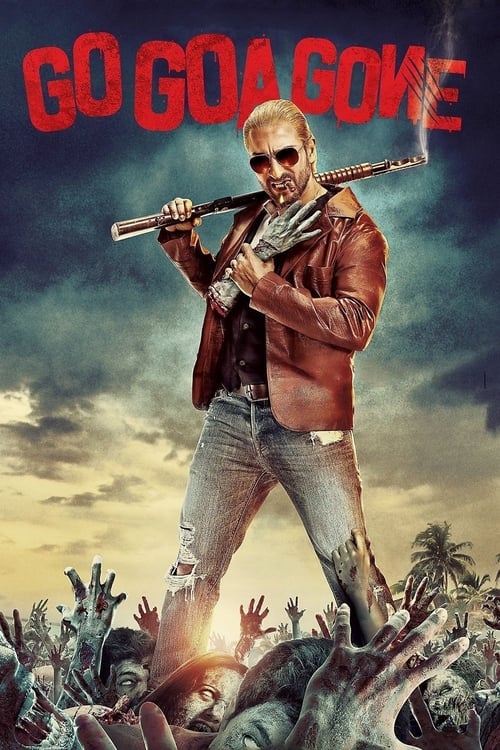
Go Goa Gone
A rave party off the coast of Goa goes horrifyingly and hilariously wrong when the island is overrun with zombies.
Despite its limited budget of $2.7M, Go Goa Gone became a solid performer, earning $5.4M worldwide—a 100% return.


Plot Structure
Story beats plotted across runtime


Narrative Arc
Emotional journey through the story's key moments
Story Circle
Blueprint 15-beat structure
Arcplot Score Breakdown
Weighted: Precision (70%) + Arc (15%) + Theme (15%)
Go Goa Gone (2013) showcases carefully calibrated narrative architecture, characteristic of Raj Nidimoru's storytelling approach. This structural analysis examines how the film's 15-point plot structure maps to proven narrative frameworks across 1 hour and 51 minutes. With an Arcplot score of 7.2, the film balances conventional beats with creative variation.
Characters
Cast & narrative archetypes

Hardik
Luv
Bunny
Boris
Luna
Main Cast & Characters
Hardik
Played by Kunal Khemu
A struggling musician who gets dumped by his girlfriend and ends up on a zombie-infested island in Goa
Luv
Played by Vir Das
Hardik's best friend and roommate, a laid-back guy who joins the ill-fated trip to Goa
Bunny
Played by Anand Tiwari
The third member of the trio, an impulsive and often clueless friend who gets them into trouble
Boris
Played by Saif Ali Khan
A Russian mafia don turned zombie hunter who helps the boys survive the undead outbreak
Luna
Played by Puja Gupta
A mysterious and tough woman who teams up with the group to fight zombies
Structural Analysis
The Status Quo at 2 minutes (2% through the runtime) establishes Three friends - Hardik, Luv, and Bunny - living irresponsible lives in Delhi. Hardik just lost his job, Luv is stuck in a failing relationship, establishing their aimless, party-focused existence.. Significantly, this early placement immediately immerses viewers in the story world.
The inciting incident occurs at 12 minutes when The friends receive an invitation to a rave party in Goa from Luna, an attractive Russian woman they meet. This disrupts their mundane Delhi existence with promise of adventure.. At 11% through the film, this Disruption aligns precisely with traditional story structure. This beat shifts the emotional landscape, launching the protagonist into the central conflict.
The First Threshold at 27 minutes marks the transition into Act II, occurring at 24% of the runtime. This shows the protagonist's commitment to The friends actively choose to take the experimental drug "D2RF" at the rave party, crossing into the zombie nightmare. This is their choice to enter the new world of consequences., moving from reaction to action.
At 56 minutes, the Midpoint arrives at 50% of the runtime—precisely centered, creating perfect narrative symmetry. Structural examination shows that this crucial beat False victory: The group formulates a solid plan to escape the island by reaching the dock and finding a boat. They feel confident and prepared, raising the stakes for the second half., fundamentally raising what's at risk. The emotional intensity shifts, dividing the narrative into clear before-and-after phases.
The Collapse moment at 82 minutes (74% through) represents the emotional nadir. Here, Boris is killed by zombies while protecting the friends. This "whiff of death" removes their protector and forces them to face responsibility alone. Their situation appears hopeless., reveals the protagonist at their lowest point. This beat's placement in the final quarter sets up the climactic reversal.
The Second Threshold at 88 minutes initiates the final act resolution at 80% of the runtime. The friends synthesize Boris's training with their own resourcefulness. They decide to stop running and actively fight to escape, accepting responsibility for their survival. New resolve and maturity emerge., demonstrating the transformation achieved throughout the journey.
Emotional Journey
Go Goa Gone's emotional architecture traces a deliberate progression across 15 carefully calibrated beats.
Narrative Framework
This structural analysis employs a 15-point narrative structure framework that maps key story moments. By mapping Go Goa Gone against these established plot points, we can identify how Raj Nidimoru utilizes or subverts traditional narrative conventions. The plot point approach reveals not only adherence to structural principles but also creative choices that distinguish Go Goa Gone within the comedy genre.
Comparative Analysis
Additional comedy films include The Bad Guys, Ella Enchanted and The Evening Star.
Plot Points by Act
Act I
SetupStatus Quo
Three friends - Hardik, Luv, and Bunny - living irresponsible lives in Delhi. Hardik just lost his job, Luv is stuck in a failing relationship, establishing their aimless, party-focused existence.
Theme
Luv's girlfriend criticizes him for being irresponsible and immature, stating "You need to grow up and take responsibility." This plants the thematic seed about maturity and consequences.
Worldbuilding
Setup of the three friends' ordinary world: dead-end jobs, relationship problems, party lifestyle. Hardik gets fired, Luv deals with girlfriend issues, Bunny lives with them. Establishing their dynamic and immaturity.
Disruption
The friends receive an invitation to a rave party in Goa from Luna, an attractive Russian woman they meet. This disrupts their mundane Delhi existence with promise of adventure.
Resistance
The friends debate going to Goa, deal with logistics, and prepare for the trip. Luv hesitates due to girlfriend, but eventually they all commit. Journey to Goa and arrival at the island for the rave party.
Act II
ConfrontationFirst Threshold
The friends actively choose to take the experimental drug "D2RF" at the rave party, crossing into the zombie nightmare. This is their choice to enter the new world of consequences.
Mirror World
The friends wake up to discover the island overrun with zombies. They meet Boris, a Russian zombie hunter who becomes their guide, representing the responsibility and competence they lack.
Premise
Fun and games of zombie survival comedy. The friends learn to fight zombies, discover the drug caused the outbreak, navigate Boris's bunker, attempt various escape plans. Comedy derived from slackers vs zombies.
Midpoint
False victory: The group formulates a solid plan to escape the island by reaching the dock and finding a boat. They feel confident and prepared, raising the stakes for the second half.
Opposition
Escape attempts fail repeatedly. Zombies intensify attacks. Boris reveals his own agenda. The friends' incompetence and cowardice cause setbacks. Luna is revealed to be infected. Plans crumble as zombie hordes close in.
Collapse
Boris is killed by zombies while protecting the friends. This "whiff of death" removes their protector and forces them to face responsibility alone. Their situation appears hopeless.
Crisis
The friends process Boris's death and their dire situation. Dark night of despair as they realize they must step up or die. They confront their own cowardice and immaturity.
Act III
ResolutionSecond Threshold
The friends synthesize Boris's training with their own resourcefulness. They decide to stop running and actively fight to escape, accepting responsibility for their survival. New resolve and maturity emerge.
Synthesis
The finale: The friends execute a coordinated plan to fight through zombie hordes, use improvised weapons effectively, and reach the escape boat. They work as a team, displaying newfound courage and responsibility.
Transformation
The friends escape the island, transformed from irresponsible slackers into survivors who proved their capability. Final image mirrors opening but shows growth - they've faced consequences and emerged changed.