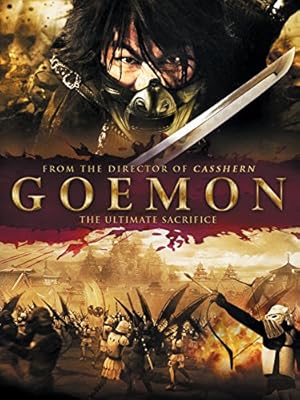
Goemon
Based on a Japanese folk legend that echoes the tale of Robin Hood, this ninja thriller follows the exploits of Goemon Ishikawa (Yôsuke Eguchi), who leaves his fighting clan after its chief is murdered and uses his skills as a thief to help the poor. But after learning the identity of his leader's killer - the traitorous Hideyoshi (Eiji Okuda) - Goemon sets out on a bloody path of vengeance, joined by his loyal friend, Saizo (Takao Ôsawa).
Working with a modest budget of $9.0M, the film achieved a modest success with $16.0M in global revenue (+78% profit margin).
Plot Structure
Story beats plotted across runtime


Narrative Arc
Emotional journey through the story's key moments
Story Circle
Blueprint 15-beat structure
Arcplot Score Breakdown
Weighted: Precision (70%) + Arc (15%) + Theme (15%)
Goemon (2009) exemplifies deliberately positioned dramatic framework, characteristic of Kazuaki Kiriya's storytelling approach. This structural analysis examines how the film's 15-point plot structure maps to proven narrative frameworks across 2 hours and 8 minutes. With an Arcplot score of 7.1, the film balances conventional beats with creative variation.
Characters
Cast & narrative archetypes

Ishikawa Goemon
Saizō Kirigakure
Chacha
Toyotomi Hideyoshi
Hattori Hanzō
Mitsunari Ishida
Main Cast & Characters
Ishikawa Goemon
Played by Yōsuke Eguchi
A legendary ninja thief seeking revenge for his master's death while protecting a mysterious boy.
Saizō Kirigakure
Played by Takao Osawa
Goemon's loyal ninja companion and best friend who fights alongside him.
Chacha
Played by Ryōko Hirosue
A skilled kunoichi (female ninja) with a complex relationship to Goemon and ties to nobility.
Toyotomi Hideyoshi
Played by Eiji Okuda
The ruthless warlord who unified Japan and serves as the primary antagonist seeking absolute power.
Hattori Hanzō
Played by Susumu Terajima
Goemon's murdered master, a legendary ninja whose death sets the revenge plot in motion.
Mitsunari Ishida
Played by Takeshi Kitano
Hideyoshi's calculating advisor and strategist who manipulates events from the shadows.
Structural Analysis
The Status Quo at 2 minutes (1% through the runtime) establishes Goemon steals from the rich in a spectacular nighttime heist, established as the legendary thief who gives to the poor. He lives freely as a folk hero, celebrated by commoners and feared by the wealthy.. Notably, this early placement immediately immerses viewers in the story world.
The inciting incident occurs at 14 minutes when Goemon steals a mysterious box from a dying man, unknowingly taking possession of evidence that could topple the Toyotomi regime. This theft puts him in the crosshairs of powerful lords and assassins.. At 11% through the film, this Disruption aligns precisely with traditional story structure. This beat shifts the emotional landscape, launching the protagonist into the central conflict.
The First Threshold at 31 minutes marks the transition into Act II, occurring at 24% of the runtime. This demonstrates the protagonist's commitment to Goemon chooses to investigate the box's contents and discovers it contains evidence of Lord Hideyoshi's treachery. He decides to use this information, committing himself to a path of vengeance against those who destroyed his past., moving from reaction to action.
At 61 minutes, the Midpoint arrives at 48% of the runtime—precisely centered, creating perfect narrative symmetry. Significantly, this crucial beat Goemon confronts one of the conspirators but realizes the conspiracy goes deeper than he thought. His actions have drawn attention to innocents around him, raising the stakes. What seemed like a clear path to justice becomes complicated., fundamentally raising what's at risk. The emotional intensity shifts, dividing the narrative into clear before-and-after phases.
The Collapse moment at 92 minutes (72% through) represents the emotional nadir. Here, Goemon is captured and sentenced to death by being boiled alive. Those he cared about are killed or imprisoned. His mentor's betrayal is fully revealed. The legendary thief faces his mortality, and his mission appears to have failed completely., illustrates the protagonist at their lowest point. This beat's placement in the final quarter sets up the climactic reversal.
The Second Threshold at 100 minutes initiates the final act resolution at 78% of the runtime. Goemon escapes or is freed, gaining new resolve. He realizes that his legend and the truth he exposed matter more than his personal revenge. He synthesizes his thief skills with a nobler purpose, ready for the final confrontation., demonstrating the transformation achieved throughout the journey.
Emotional Journey
Goemon's emotional architecture traces a deliberate progression across 15 carefully calibrated beats.
Narrative Framework
This structural analysis employs structural analysis methodology used to understand storytelling architecture. By mapping Goemon against these established plot points, we can identify how Kazuaki Kiriya utilizes or subverts traditional narrative conventions. The plot point approach reveals not only adherence to structural principles but also creative choices that distinguish Goemon within the action genre.
Kazuaki Kiriya's Structural Approach
Among the 2 Kazuaki Kiriya films analyzed on Arcplot, the average structural score is 7.1, reflecting strong command of classical structure. Goemon exemplifies the director's characteristic narrative technique. For comparative analysis, explore the complete Kazuaki Kiriya filmography.
Comparative Analysis
Additional action films include The Bad Guys, Puss in Boots and Venom: The Last Dance. For more Kazuaki Kiriya analyses, see Casshern.
Plot Points by Act
Act I
SetupStatus Quo
Goemon steals from the rich in a spectacular nighttime heist, established as the legendary thief who gives to the poor. He lives freely as a folk hero, celebrated by commoners and feared by the wealthy.
Theme
Saizo mentions that revenge and the past define who we become. The film explores whether one can escape their past and find redemption, or if vengeance consumes everything.
Worldbuilding
Introduction of feudal Japan under Toyotomi Hideyoshi's rule. We meet Goemon's world of thieves, his rival Saizo, and the political intrigue surrounding Lord Hideyoshi. The box containing a secret is introduced as a MacGuffin.
Disruption
Goemon steals a mysterious box from a dying man, unknowingly taking possession of evidence that could topple the Toyotomi regime. This theft puts him in the crosshairs of powerful lords and assassins.
Resistance
Goemon realizes the box's importance when assassins pursue him. He debates whether to return it, destroy it, or use it. Flashbacks reveal his connection to his former master and the political conspiracy. He resists getting involved in political matters.
Act II
ConfrontationFirst Threshold
Goemon chooses to investigate the box's contents and discovers it contains evidence of Lord Hideyoshi's treachery. He decides to use this information, committing himself to a path of vengeance against those who destroyed his past.
Mirror World
Goemon reconnects with his past through encounters with those affected by the conspiracy. A woman from his past represents what he lost and what drives his need for justice versus personal freedom.
Premise
Goemon uses his thieving skills for a greater purpose, infiltrating strongholds and gathering allies. Spectacular action sequences show him as both hero and avenger. The premise delivers stylized samurai action mixed with heist elements.
Midpoint
Goemon confronts one of the conspirators but realizes the conspiracy goes deeper than he thought. His actions have drawn attention to innocents around him, raising the stakes. What seemed like a clear path to justice becomes complicated.
Opposition
The forces of Lord Hideyoshi close in. Goemon's allies are endangered or killed. Saizo, his rival, becomes an active opponent. The political powers use their full might to silence Goemon and recover the evidence.
Collapse
Goemon is captured and sentenced to death by being boiled alive. Those he cared about are killed or imprisoned. His mentor's betrayal is fully revealed. The legendary thief faces his mortality, and his mission appears to have failed completely.
Crisis
In his darkest hour, Goemon reflects on his choices and what he fought for. He must decide if revenge was worth the cost, or if there's a higher purpose to his suffering. He processes his failures and losses.
Act III
ResolutionSecond Threshold
Goemon escapes or is freed, gaining new resolve. He realizes that his legend and the truth he exposed matter more than his personal revenge. He synthesizes his thief skills with a nobler purpose, ready for the final confrontation.
Synthesis
The finale features an epic battle where Goemon confronts the true conspirators. He fights not just for revenge but for justice and the people. Spectacular action sequences resolve the political conspiracy and Goemon's personal arc.
Transformation
Goemon's legend grows beyond the man. Whether he survives or dies, he transforms from a thief into a symbol of justice. The closing image mirrors the opening but shows he fought for something greater than himself.