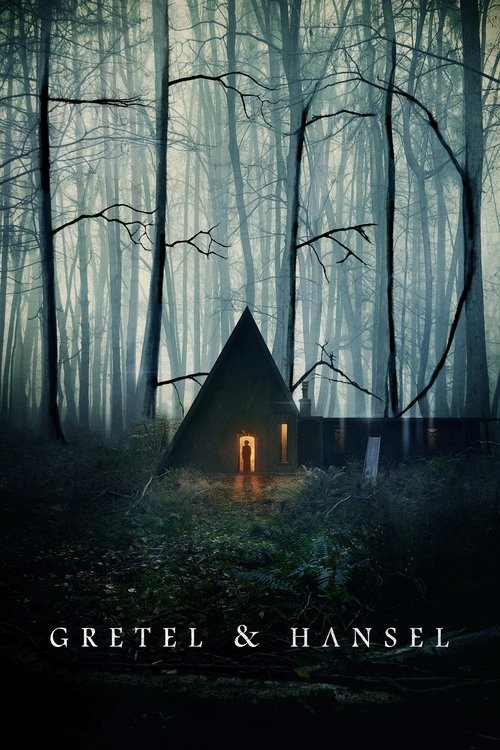
Gretel & Hansel
A long time ago in a distant fairy tale countryside, a young girl leads her little brother into a dark wood in desperate search of food and work, only to stumble upon a nexus of terrifying evil.
Despite its small-scale budget of $5.0M, Gretel & Hansel became a box office success, earning $22.3M worldwide—a 346% return. The film's distinctive approach engaged audiences, confirming that strong storytelling can transcend budget limitations.
4 wins & 16 nominations


Plot Structure
Story beats plotted across runtime


Narrative Arc
Emotional journey through the story's key moments
Story Circle
Blueprint 15-beat structure
Arcplot Score Breakdown
Weighted: Precision (70%) + Arc (15%) + Theme (15%)
Gretel & Hansel (2020) demonstrates strategically placed narrative design, characteristic of Osgood Perkins's storytelling approach. This structural analysis examines how the film's 15-point plot structure maps to proven narrative frameworks across 1 hour and 27 minutes. With an Arcplot score of 7.1, the film balances conventional beats with creative variation.
Characters
Cast & narrative archetypes

Gretel
Holda
Hansel
Main Cast & Characters
Gretel
Played by Sophia Lillis
A teenage girl who must protect her younger brother while navigating hunger, survival, and a witch's dark temptations.
Holda
Played by Alice Krige
An enigmatic witch living alone in the woods who offers food and shelter while harboring sinister intentions.
Hansel
Played by Sam Leakey
Gretel's younger brother, innocent and vulnerable, who becomes increasingly endangered by the witch's power.
Structural Analysis
The Status Quo at 1 minutes (1% through the runtime) establishes Gretel and Hansel live in poverty with their mother in a dark, medieval world. Gretel narrates the tale of a beautiful child who gained terrible powers, establishing the film's ominous tone and foreshadowing.. Of particular interest, this early placement immediately immerses viewers in the story world.
The inciting incident occurs at 10 minutes when Expelled from home with nowhere to go, Gretel and Hansel must venture into the dark forest to find shelter and food. They are now completely vulnerable and alone in a hostile world.. At 12% through the film, this Disruption aligns precisely with traditional story structure. This beat shifts the emotional landscape, launching the protagonist into the central conflict.
The First Threshold at 21 minutes marks the transition into Act II, occurring at 25% of the runtime. This shows the protagonist's commitment to Starving and desperate, Gretel and Hansel discover a house in the woods with a table laden with food. Despite the uncanny strangeness, Gretel makes the choice to enter and accept Holda's hospitality, crossing into the witch's domain., moving from reaction to action.
At 43 minutes, the Midpoint arrives at 49% of the runtime—precisely centered, creating perfect narrative symmetry. Notably, this crucial beat Gretel discovers evidence of previous children—disturbing drawings and items that suggest Holda has harbored others before. She realizes they are in danger, but simultaneously she's drawn to the power Holda offers. The stakes raise as false safety becomes recognized threat., fundamentally raising what's at risk. The emotional intensity shifts, dividing the narrative into clear before-and-after phases.
The Collapse moment at 64 minutes (74% through) represents the emotional nadir. Here, Holda reveals her full plan: she will consume Hansel and make Gretel her successor, passing on her powers. Gretel is forced to confront the impossible choice—save Hansel and remain powerless, or embrace the witch's power and sacrifice her brother. Her innocence dies as she faces this moral abyss., illustrates the protagonist at their lowest point. This beat's placement in the final quarter sets up the climactic reversal.
The Second Threshold at 70 minutes initiates the final act resolution at 80% of the runtime. Gretel realizes she can accept her power without accepting Holda's corruption. She understands that strength doesn't require sacrificing those she loves. Armed with this clarity and her emerging abilities, she chooses to fight the witch and save Hansel., demonstrating the transformation achieved throughout the journey.
Emotional Journey
Gretel & Hansel's emotional architecture traces a deliberate progression across 15 carefully calibrated beats.
Narrative Framework
This structural analysis employs a 15-point narrative structure framework that maps key story moments. By mapping Gretel & Hansel against these established plot points, we can identify how Osgood Perkins utilizes or subverts traditional narrative conventions. The plot point approach reveals not only adherence to structural principles but also creative choices that distinguish Gretel & Hansel within the horror genre.
Osgood Perkins's Structural Approach
Among the 2 Osgood Perkins films analyzed on Arcplot, the average structural score is 7.2, reflecting strong command of classical structure. Gretel & Hansel takes a more unconventional approach compared to the director's typical style. For comparative analysis, explore the complete Osgood Perkins filmography.
Comparative Analysis
Additional horror films include Thinner, A Nightmare on Elm Street and Mary Reilly. For more Osgood Perkins analyses, see Longlegs.
Plot Points by Act
Act I
SetupStatus Quo
Gretel and Hansel live in poverty with their mother in a dark, medieval world. Gretel narrates the tale of a beautiful child who gained terrible powers, establishing the film's ominous tone and foreshadowing.
Theme
Their mother tells Gretel she must become a woman and take responsibility, but warns her cryptically: "You'll do what you must to survive, but at what cost?" This question of survival versus moral compromise becomes the film's central theme.
Worldbuilding
The siblings' desperate poverty is established. Their mother kicks them out of the house. Gretel seeks work but is propositioned by a creepy employer. The cruel, superstitious medieval world where young women have no power or agency is vividly rendered.
Disruption
Expelled from home with nowhere to go, Gretel and Hansel must venture into the dark forest to find shelter and food. They are now completely vulnerable and alone in a hostile world.
Resistance
The children wander through the ominous forest. They encounter the mysterious Hunter who warns them about the woods and offers cryptic advice. They discover strange mushrooms and experience supernatural visions, signaling this world operates by different rules.
Act II
ConfrontationFirst Threshold
Starving and desperate, Gretel and Hansel discover a house in the woods with a table laden with food. Despite the uncanny strangeness, Gretel makes the choice to enter and accept Holda's hospitality, crossing into the witch's domain.
Mirror World
Holda, the elegant and mysterious woman who owns the house, becomes a dark maternal figure for Gretel. She represents what Gretel could become: a powerful woman who has claimed autonomy but at a terrible price. Their relationship will explore the theme of female power.
Premise
Gretel and Hansel enjoy the abundance and comfort of Holda's home. Holda teaches Gretel about herbs, foraging, and self-reliance. Gretel begins experiencing strange visions and dreams. She discovers she has supernatural abilities. This "too good to be true" period fulfills the promise of shelter and plenty.
Midpoint
Gretel discovers evidence of previous children—disturbing drawings and items that suggest Holda has harbored others before. She realizes they are in danger, but simultaneously she's drawn to the power Holda offers. The stakes raise as false safety becomes recognized threat.
Opposition
Gretel investigates further and uncovers the truth: Holda is an ancient witch who consumes children to maintain her power. Holda begins revealing her true nature, seducing Gretel with promises of power and freedom. The witch's influence over Gretel strengthens while Hansel becomes increasingly endangered. Gretel is torn between protecting her brother and embracing her dark potential.
Collapse
Holda reveals her full plan: she will consume Hansel and make Gretel her successor, passing on her powers. Gretel is forced to confront the impossible choice—save Hansel and remain powerless, or embrace the witch's power and sacrifice her brother. Her innocence dies as she faces this moral abyss.
Crisis
Gretel wrestles with the temptation. She experiences visions of the power she could wield. The witch has nearly won her over, and Hansel is helpless. This is Gretel's dark night, facing who she might become versus who she wants to be.
Act III
ResolutionSecond Threshold
Gretel realizes she can accept her power without accepting Holda's corruption. She understands that strength doesn't require sacrificing those she loves. Armed with this clarity and her emerging abilities, she chooses to fight the witch and save Hansel.
Synthesis
Gretel uses her newfound powers against Holda. The confrontation is both physical and psychological as Gretel must resist the witch's final temptations. She ultimately kills Holda, burns down the house, and frees Hansel from the witch's influence.
Transformation
Gretel and Hansel walk away from the burning house. But Gretel has changed—she has retained some of the witch's power, her eyes now reflecting an otherworldly knowledge. She has become the powerful woman she needed to be, but ambiguously, we wonder at what cost. Unlike the opening, she is no longer powerless, but she is no longer innocent.