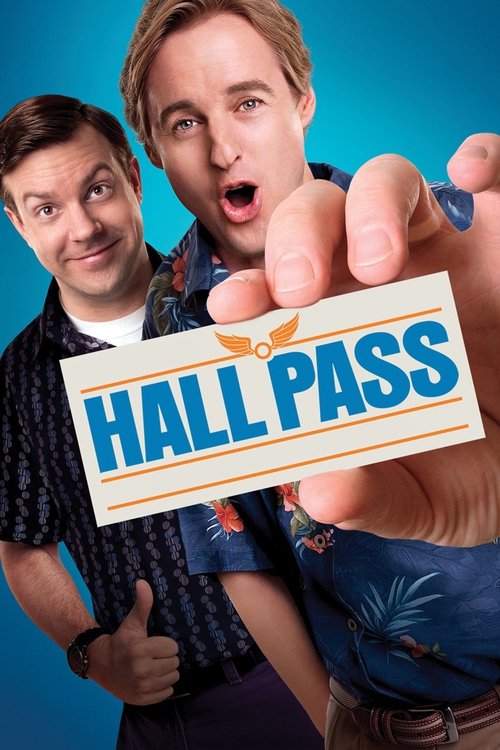
Hall Pass
When best buds Rick and Fred begin to show signs of restlessness at home, their wives take a bold approach to revitalize their marriages, they grant the guys a 'hall pass'—one week of freedom to do whatever they want. At first, it seems like a dream come true, but they quickly discover that their expectations of the single life—and themselves—are completely and hilariously out of sync with reality.
Despite a moderate budget of $36.0M, Hall Pass became a solid performer, earning $83.2M worldwide—a 131% return.


Plot Structure
Story beats plotted across runtime


Narrative Arc
Emotional journey through the story's key moments
Story Circle
Blueprint 15-beat structure
Arcplot Score Breakdown
Weighted: Precision (70%) + Arc (15%) + Theme (15%)
Hall Pass (2011) exemplifies precise story structure, characteristic of Bobby Farrelly's storytelling approach. This structural analysis examines how the film's 15-point plot structure maps to proven narrative frameworks across 1 hour and 45 minutes. With an Arcplot score of 7.0, the film balances conventional beats with creative variation.
Characters
Cast & narrative archetypes

Rick Mills
Fred Searing
Maggie Mills
Grace Searing
Coakley
Leigh
Main Cast & Characters
Rick Mills
Played by Owen Wilson
A married father and suburban real estate agent who receives a week-long "hall pass" from his wife to act single.
Fred Searing
Played by Jason Sudeikis
Rick's best friend, a married insurance salesman who also gets a hall pass and is equally unprepared for modern dating.
Maggie Mills
Played by Jenna Fischer
Rick's wife who suggests the hall pass idea to cure his wandering eye and midlife crisis fantasies.
Grace Searing
Played by Christina Applegate
Fred's wife and Maggie's friend who reluctantly agrees to give her husband a hall pass.
Coakley
Played by Richard Jenkins
The confident, charismatic ladies' man who becomes Rick and Fred's guide to bachelor life.
Leigh
Played by Nicky Whelan
An attractive woman at a coffee shop who Rick becomes infatuated with during his hall pass week.
Structural Analysis
The Status Quo at 1 minutes (1% through the runtime) establishes Rick and Fred are shown as bored, middle-aged married men fantasizing about other women while living mundane suburban lives with their wives and kids.. Of particular interest, this early placement immediately immerses viewers in the story world.
The inciting incident occurs at 12 minutes when Maggie catches Rick masturbating to their babysitter's Facebook photos. The wives reach their breaking point with their husbands' behavior and hold an intervention.. At 12% through the film, this Disruption aligns precisely with traditional story structure. This beat shifts the emotional landscape, launching the protagonist into the central conflict.
The First Threshold at 25 minutes marks the transition into Act II, occurring at 24% of the runtime. This illustrates the protagonist's commitment to Rick and Fred accept the hall pass from their wives. Maggie and Grace leave town with the kids for a week. The guys are now free to pursue other women with no consequences., moving from reaction to action.
At 52 minutes, the Midpoint arrives at 50% of the runtime—precisely centered, creating perfect narrative symmetry. Notably, this crucial beat False victory: Rick finally connects with Leigh (the attractive Australian) at a coffee shop and gets invited to a party. Fred meets a younger woman. Both guys think their hall pass is finally working out., fundamentally raising what's at risk. The emotional intensity shifts, dividing the narrative into clear before-and-after phases.
The Collapse moment at 77 minutes (74% through) represents the emotional nadir. Here, Coakley dies from his heart attack (literal death). This sobering event forces Rick and Fred to confront their mortality and the consequences of their actions. Meanwhile, the wives are on the verge of cheating., indicates the protagonist at their lowest point. This beat's placement in the final quarter sets up the climactic reversal.
The Second Threshold at 84 minutes initiates the final act resolution at 80% of the runtime. Rick chooses his marriage over Leigh, turning down sex to rush home. Fred similarly rejects his opportunity. Both men have the realization that they don't want to lose their wives. The wives make the same choice., demonstrating the transformation achieved throughout the journey.
Emotional Journey
Hall Pass's emotional architecture traces a deliberate progression across 15 carefully calibrated beats.
Narrative Framework
This structural analysis employs proven narrative structure principles that track dramatic progression. By mapping Hall Pass against these established plot points, we can identify how Bobby Farrelly utilizes or subverts traditional narrative conventions. The plot point approach reveals not only adherence to structural principles but also creative choices that distinguish Hall Pass within the comedy genre.
Bobby Farrelly's Structural Approach
Among the 9 Bobby Farrelly films analyzed on Arcplot, the average structural score is 7.0, reflecting strong command of classical structure. Hall Pass takes a more unconventional approach compared to the director's typical style. For comparative analysis, explore the complete Bobby Farrelly filmography.
Comparative Analysis
Additional comedy films include The Bad Guys, Ella Enchanted and The Evening Star. For more Bobby Farrelly analyses, see Champions, Stuck on You and Dumb and Dumber To.
Plot Points by Act
Act I
SetupStatus Quo
Rick and Fred are shown as bored, middle-aged married men fantasizing about other women while living mundane suburban lives with their wives and kids.
Theme
Dr. Lucy (marriage counselor) suggests the concept of a "hall pass" - a week off from marriage with no consequences - implying that experiencing freedom might make them appreciate what they have.
Worldbuilding
Establishment of Rick and Fred's marriages to Maggie and Grace, their wandering eyes causing marital tension, embarrassing incidents (country club ogling, fake phone call to check out woman), and the strain on their relationships.
Disruption
Maggie catches Rick masturbating to their babysitter's Facebook photos. The wives reach their breaking point with their husbands' behavior and hold an intervention.
Resistance
The wives consult Dr. Lucy and debate whether to actually give their husbands a hall pass. Rick and Fred are initially confused, then skeptical about the offer, unsure if it's a trap.
Act II
ConfrontationFirst Threshold
Rick and Fred accept the hall pass from their wives. Maggie and Grace leave town with the kids for a week. The guys are now free to pursue other women with no consequences.
Mirror World
The wives' storyline emerges as a mirror - while at the beach, they attract attention from younger men and their own former flames, facing the same temptations as their husbands.
Premise
The "fun and games" of the hall pass: Rick and Fred's pathetic attempts to pick up women at Applebee's, the bar, and other venues. They realize they're out of practice and awkward. Their wingmen Coakley provides bad advice. Meanwhile, the wives enjoy attention from attractive men.
Midpoint
False victory: Rick finally connects with Leigh (the attractive Australian) at a coffee shop and gets invited to a party. Fred meets a younger woman. Both guys think their hall pass is finally working out.
Opposition
Complications mount: Rick gets too high at the party and embarrasses himself. Coakley has a heart attack. The wives grow closer to their temptations (Maggie with Gerry, her former flame). The guys' attempts at infidelity keep failing, but they're coming dangerously close.
Collapse
Coakley dies from his heart attack (literal death). This sobering event forces Rick and Fred to confront their mortality and the consequences of their actions. Meanwhile, the wives are on the verge of cheating.
Crisis
Rick and Fred process Coakley's death and reflect on what they really want. Rick realizes he loves his wife when Leigh offers herself to him. The wives similarly pull back from their temptations, realizing what they might lose.
Act III
ResolutionSecond Threshold
Rick chooses his marriage over Leigh, turning down sex to rush home. Fred similarly rejects his opportunity. Both men have the realization that they don't want to lose their wives. The wives make the same choice.
Synthesis
Rick races home to reconcile with Maggie, nearly missing her as she returns early from her trip. Confessions and reconciliation occur. Both couples reunite, having learned to appreciate each other. The hall pass experiment ends with marriages stronger.
Transformation
Final image mirrors the opening: Rick and Fred are still with their wives, but now content and appreciative. They're shown as devoted husbands who learned that the grass isn't greener, contrasting with their wandering-eye status quo.