
Halloween III: Season of the Witch
After the death of her father under very suspicious circumstances, Ellie Grimbridge and Dr Daniel Challis decide to investigate the shady activities of Conal Cochran, the owner of the Silver Shamrock Novelties company. Before long, they discover Cochran's diabolical plot to brainwash the children of America into doing his bidding through a mixture of ancient rituals, technology, and witchcraft. This Halloween, wearing the mask of a skeleton, a witch, or a pumpkin can be deadly. Can Ellie and Daniel thwart the plans of the evil toy-maker?
Despite its small-scale budget of $2.5M, Halloween III: Season of the Witch became a box office success, earning $14.4M worldwide—a 476% return. The film's innovative storytelling resonated with audiences, illustrating how strong storytelling can transcend budget limitations.
1 win & 1 nomination


Plot Structure
Story beats plotted across runtime


Narrative Arc
Emotional journey through the story's key moments
Story Circle
Blueprint 15-beat structure
Arcplot Score Breakdown
Weighted: Precision (70%) + Arc (15%) + Theme (15%)
Halloween III: Season of the Witch (1982) reveals deliberately positioned narrative design, characteristic of Tommy Lee Wallace's storytelling approach. This structural analysis examines how the film's 15-point plot structure maps to proven narrative frameworks across 1 hour and 39 minutes. With an Arcplot score of 7.0, the film balances conventional beats with creative variation.
Characters
Cast & narrative archetypes

Dr. Daniel Challis

Ellie Grimbridge
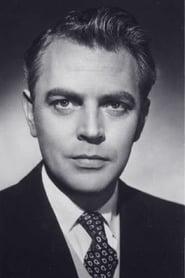
Conal Cochran
Main Cast & Characters
Dr. Daniel Challis
Played by Tom Atkins
A divorced doctor who investigates mysterious deaths connected to Silver Shamrock masks and uncovers a sinister plot.
Ellie Grimbridge
Played by Stacey Nelkin
The daughter of a murdered toy store owner who teams up with Challis to investigate Silver Shamrock Novelties.
Conal Cochran
Played by Dan O'Herlihy
The sinister owner of Silver Shamrock Novelties who plans to use Halloween masks to perform a mass sacrifice ritual.
Structural Analysis
The Status Quo at 1 minutes (1% through the runtime) establishes Harry Grimbridge flees through the night clutching a Silver Shamrock pumpkin mask, pursued by mysterious men in suits. His terrified state establishes a world where something sinister lurks beneath the surface of Halloween commercialism.. Of particular interest, this early placement immediately immerses viewers in the story world.
The inciting incident occurs at 12 minutes when Harry Grimbridge's daughter Ellie arrives seeking answers about her father's death. Her presence and the mystery of the suited killer's self-immolation forces Dan out of his complacent existence and into an investigation he cannot ignore.. At 12% through the film, this Disruption aligns precisely with traditional story structure. This beat shifts the emotional landscape, launching the protagonist into the central conflict.
The First Threshold at 25 minutes marks the transition into Act II, occurring at 25% of the runtime. This indicates the protagonist's commitment to Dan and Ellie drive together to Santa Mira to investigate Silver Shamrock, leaving behind Dan's ordinary world. He actively chooses to pursue the truth despite the obvious danger, crossing into a conspiracy far darker than he imagined., moving from reaction to action.
At 50 minutes, the Midpoint arrives at 50% of the runtime—precisely centered, creating perfect narrative symmetry. The analysis reveals that this crucial beat Marge Guttman is killed by a misfire from a Silver Shamrock logo chip, which unleashes insects and snakes from her melting face. This horrific false defeat reveals the masks contain deadly technology and raises the stakes exponentially - the threat is real and nationwide., fundamentally raising what's at risk. The emotional intensity shifts, dividing the narrative into clear before-and-after phases.
The Collapse moment at 74 minutes (75% through) represents the emotional nadir. Here, Dan is captured and Cochran reveals his full plan: a mass sacrifice of children on Halloween night, a "joke" on the modern world using ancient Celtic magic. Dan watches helplessly as the Kupfer boy's head dissolves into insects during a test demonstration. All hope seems lost., indicates the protagonist at their lowest point. This beat's placement in the final quarter sets up the climactic reversal.
The Second Threshold at 79 minutes initiates the final act resolution at 80% of the runtime. Dan escapes his bonds and realizes he can use Cochran's own weapons against him. Armed with stolen mask chips and determination, he chooses to fight back and attempt to stop the broadcast, synthesizing his medical knowledge with what he's learned about the technology., demonstrating the transformation achieved throughout the journey.
Emotional Journey
Halloween III: Season of the Witch's emotional architecture traces a deliberate progression across 15 carefully calibrated beats.
Narrative Framework
This structural analysis employs a 15-point narrative structure framework that maps key story moments. By mapping Halloween III: Season of the Witch against these established plot points, we can identify how Tommy Lee Wallace utilizes or subverts traditional narrative conventions. The plot point approach reveals not only adherence to structural principles but also creative choices that distinguish Halloween III: Season of the Witch within the horror genre.
Comparative Analysis
Additional horror films include Thinner, A Nightmare on Elm Street and Mary Reilly.
Plot Points by Act
Act I
SetupStatus Quo
Harry Grimbridge flees through the night clutching a Silver Shamrock pumpkin mask, pursued by mysterious men in suits. His terrified state establishes a world where something sinister lurks beneath the surface of Halloween commercialism.
Theme
The omnipresent Silver Shamrock commercial jingle plays, stating "Three more days till Halloween, Halloween, Halloween." This earworm establishes the theme of corporate manipulation and the commodification of tradition being used for sinister purposes.
Worldbuilding
Dr. Dan Challis is established as a divorced, alcoholic doctor working the emergency room. Harry Grimbridge arrives clutching a mask and warning "They're going to kill us all" before a suited man murders him and immolates himself. Dan's ordinary world of failed relationships and hospital routine is established alongside mounting supernatural dread.
Disruption
Harry Grimbridge's daughter Ellie arrives seeking answers about her father's death. Her presence and the mystery of the suited killer's self-immolation forces Dan out of his complacent existence and into an investigation he cannot ignore.
Resistance
Dan debates getting involved while Ellie investigates her father's shop. They discover he had visited Santa Mira, home of Silver Shamrock. Dan weighs his responsibilities against his curiosity, ultimately unable to resist the mystery or Ellie's determination.
Act II
ConfrontationFirst Threshold
Dan and Ellie drive together to Santa Mira to investigate Silver Shamrock, leaving behind Dan's ordinary world. He actively chooses to pursue the truth despite the obvious danger, crossing into a conspiracy far darker than he imagined.
Mirror World
Dan and Ellie check into the Rose of Shannon Motel and begin their romantic entanglement. Ellie represents connection and purpose that Dan's broken life lacks, while their relationship will ultimately test whether human bonds can survive corporate evil.
Premise
Dan and Ellie explore the creepy company town of Santa Mira, encounter other visitors at the motel, and tour the Silver Shamrock factory. The promise of the premise delivers escalating paranoia, surveillance, mysterious suited enforcers, and the growing realization that something monstrous hides behind the cheerful mask company facade.
Midpoint
Marge Guttman is killed by a misfire from a Silver Shamrock logo chip, which unleashes insects and snakes from her melting face. This horrific false defeat reveals the masks contain deadly technology and raises the stakes exponentially - the threat is real and nationwide.
Opposition
Dan investigates deeper while Cochran's forces close in. The Kupfer family is lured to a demonstration room and killed. Dan discovers the androids, fights for survival, and pieces together Cochran's plan to sacrifice millions of children using Stonehenge fragments embedded in the mask chips.
Collapse
Dan is captured and Cochran reveals his full plan: a mass sacrifice of children on Halloween night, a "joke" on the modern world using ancient Celtic magic. Dan watches helplessly as the Kupfer boy's head dissolves into insects during a test demonstration. All hope seems lost.
Crisis
Dan is bound and left to die watching the Silver Shamrock commercial that will trigger the nationwide massacre. He faces the reality that millions of children will die and Ellie may already be dead or replaced. His darkest hour forces him to find inner resourcefulness.
Act III
ResolutionSecond Threshold
Dan escapes his bonds and realizes he can use Cochran's own weapons against him. Armed with stolen mask chips and determination, he chooses to fight back and attempt to stop the broadcast, synthesizing his medical knowledge with what he's learned about the technology.
Synthesis
Dan battles through the factory, using mask chips to destroy androids and trigger the Stonehenge fragment's power against Cochran and his operation. He rescues what he believes is Ellie, destroys the factory, and races to stop the broadcast from reaching children across America.
Transformation
After "Ellie" reveals herself as an android and attacks Dan, he destroys her but remains trapped in a nightmare. He desperately calls TV stations begging them to stop the broadcast, succeeding with two but failing with the third as the commercial plays. Dan's screaming face mirrors the opening terror - transformed from apathetic bystander to desperate fighter, but potentially too late to save the children.