Hamilton
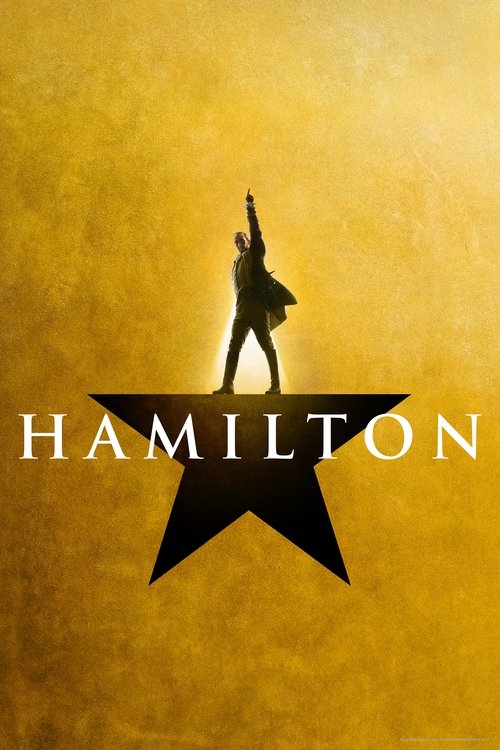
"Hamilton" is the story of America then, told by America now. Featuring a score that blends hip-hop, jazz, R&B, and show tunes, "Hamilton" has taken the story of American founding father Alexander Hamilton and created a revolutionary moment in theater--a musical that has had a profound impact on culture, politics, and education. Captured at the Richard Rodgers Theater on Broadway in June 2016, the film transports its audience into the world of the Broadway show in a uniquely intimate way.
Working with a tight budget of $12.5M, the film achieved a steady performer with $20.7M in global revenue (+65% profit margin).
2 Primetime Emmys. 19 wins & 43 nominations

Plot Structure
Story beats plotted across runtime


Narrative Arc
Emotional journey through the story's key moments
Story Circle
Blueprint 15-beat structure
Arcplot Score Breakdown
Weighted: Precision (70%) + Arc (15%) + Theme (15%)
Hamilton (2020) exhibits strategically placed narrative architecture, characteristic of Thomas Kail's storytelling approach. This structural analysis examines how the film's 15-point plot structure maps to proven narrative frameworks across 2 hours and 40 minutes. With an Arcplot score of 5.2, the film takes an unconventional approach to traditional narrative frameworks.
Characters
Cast & narrative archetypes

Alexander Hamilton
Aaron Burr
Eliza Schuyler Hamilton
Angelica Schuyler
George Washington
Thomas Jefferson
Marquis de Lafayette
Hercules Mulligan
John Laurens
James Madison
King George III
Main Cast & Characters
Alexander Hamilton
Played by Lin-Manuel Miranda
Ambitious immigrant and Founding Father who rises from poverty to become Washington's right hand and first Treasury Secretary
Aaron Burr
Played by Leslie Odom Jr.
Cautious politician and Hamilton's foil who values prudence over action, ultimately becoming his antagonist
Eliza Schuyler Hamilton
Played by Phillipa Soo
Alexander's devoted wife who preserves his legacy and tells his story after his death
Angelica Schuyler
Played by Renée Elise Goldsberry
Eliza's brilliant older sister who shares intellectual chemistry with Hamilton but sacrifices her desires for her sister's happiness
George Washington
Played by Christopher Jackson
Commander-in-chief and first President who serves as Hamilton's mentor and father figure
Thomas Jefferson
Played by Daveed Diggs
Charismatic Secretary of State who opposes Hamilton's federalist vision with democratic-republican ideals
Marquis de Lafayette
Played by Daveed Diggs
French aristocrat and revolutionary ally who fights alongside Hamilton and Washington
Hercules Mulligan
Played by Okieriete Onaodowan
Tailor, spy, and loyal friend who provides intelligence during the Revolutionary War
John Laurens
Played by Anthony Ramos
Abolitionist and Hamilton's closest friend who dies in combat fighting for independence
James Madison
Played by Okieriete Onaodowan
Jefferson's ally and political strategist who opposes Hamilton's economic plans
King George III
Played by Jonathan Groff
British monarch who mockingly comments on America's revolution and internal conflicts
Structural Analysis
The Status Quo at 1 minutes (1% through the runtime) establishes Alexander Hamilton arrives in New York as a penniless orphan immigrant, hungry and scrappy. Aaron Burr introduces us to Hamilton's origin story - a bastard orphan who will rise against all odds.. Structural examination shows that this early placement immediately immerses viewers in the story world.
The inciting incident occurs at 16 minutes when The Declaration of Independence is signed and war begins. "History has its eyes on you" - Washington tells Hamilton the stakes are now life and death. The theoretical becomes real.. At 10% through the film, this Disruption aligns precisely with traditional story structure. This beat shifts the emotional landscape, launching the protagonist into the central conflict.
The First Threshold at 36 minutes marks the transition into Act II, occurring at 22% of the runtime. This illustrates the protagonist's commitment to Hamilton makes an active choice to fight for his command at Yorktown, defying Washington's initial refusal. "Immigrants, we get the job done." He will lead troops into battle and help win the war on his own terms., moving from reaction to action.
At 72 minutes, the Midpoint arrives at 45% of the runtime—arriving early, accelerating into Act IIb complications. Notably, this crucial beat The Reynolds Pamphlet - Hamilton publishes details of his affair to save his political reputation, destroying his marriage and family in the process. False victory: he saved his career but lost what mattered. "I may have mortally wounded my prospects, but my papers are orderly."., fundamentally raising what's at risk. The emotional intensity shifts, dividing the narrative into clear before-and-after phases.
The Collapse moment at 106 minutes (66% through) represents the emotional nadir. Here, Philip Hamilton is killed in a duel defending his father's honor. "Whiff of death" literalized - Hamilton's obsession with legacy has killed his son. "Stay Alive (Reprise)" - Hamilton loses everything that truly mattered., shows the protagonist at their lowest point. This beat's placement in the final quarter sets up the climactic reversal.
The Second Threshold at 113 minutes initiates the final act resolution at 71% of the runtime. The election of 1800 deadlocks between Burr and Jefferson. Hamilton realizes his true legacy isn't control - it's principle. He endorses Jefferson over Burr because "Jefferson has beliefs, Burr has none." This synthesis of wisdom and action seals his fate but defines his character., demonstrating the transformation achieved throughout the journey.
Emotional Journey
Hamilton's emotional architecture traces a deliberate progression across 15 carefully calibrated beats.
Narrative Framework
This structural analysis employs a 15-point narrative structure framework that maps key story moments. By mapping Hamilton against these established plot points, we can identify how Thomas Kail utilizes or subverts traditional narrative conventions. The plot point approach reveals not only adherence to structural principles but also creative choices that distinguish Hamilton within the biography genre.
Comparative Analysis
Additional biography films include After Thomas, Taking Woodstock and The Fire Inside.
Plot Points by Act
Act I
SetupStatus Quo
Alexander Hamilton arrives in New York as a penniless orphan immigrant, hungry and scrappy. Aaron Burr introduces us to Hamilton's origin story - a bastard orphan who will rise against all odds.
Theme
Aaron Burr advises Hamilton: "Talk less, smile more. Don't let them know what you're against or what you're for." This establishes the central thematic tension between Hamilton's inability to wait and Burr's excessive caution - legacy versus survival.
Worldbuilding
Hamilton meets Burr, Laurens, Lafayette, and Mulligan. He courts Eliza Schuyler while her sister Angelica recognizes his brilliance. The revolutionary fervor builds as the colonies debate independence. Hamilton writes his way into Washington's confidence.
Disruption
The Declaration of Independence is signed and war begins. "History has its eyes on you" - Washington tells Hamilton the stakes are now life and death. The theoretical becomes real.
Resistance
Hamilton serves as Washington's aide-de-camp, frustrated at not having a field command. He marries Eliza. His friends die in battle. He debates with Burr about patience versus action. Washington mentors him on leadership and sacrifice.
Act II
ConfrontationFirst Threshold
Hamilton makes an active choice to fight for his command at Yorktown, defying Washington's initial refusal. "Immigrants, we get the job done." He will lead troops into battle and help win the war on his own terms.
Mirror World
Philip Hamilton is born. Eliza and the family represent the personal legacy Hamilton could embrace - love, family, being present. This relationship will thematically challenge Hamilton's obsession with historical legacy.
Premise
Post-war nation-building. Hamilton becomes Treasury Secretary and builds the financial system. "The Room Where It Happens" - political maneuvering, compromise, and power. Hamilton writes himself into history through policy, battling Jefferson and Madison.
Midpoint
The Reynolds Pamphlet - Hamilton publishes details of his affair to save his political reputation, destroying his marriage and family in the process. False victory: he saved his career but lost what mattered. "I may have mortally wounded my prospects, but my papers are orderly."
Opposition
Hamilton faces consequences - Eliza's heartbreak, public humiliation, political enemies closing in. Jefferson and Madison gain power. Burr becomes increasingly desperate and willing to compromise his principles. The 1800 election creates mortal enemies.
Collapse
Philip Hamilton is killed in a duel defending his father's honor. "Whiff of death" literalized - Hamilton's obsession with legacy has killed his son. "Stay Alive (Reprise)" - Hamilton loses everything that truly mattered.
Crisis
"It's Quiet Uptown" - Hamilton and Eliza process unimaginable grief. Hamilton finally stops writing, stops moving. In the darkness, Eliza offers forgiveness. Hamilton confronts what he's lost by never being satisfied.
Act III
ResolutionSecond Threshold
The election of 1800 deadlocks between Burr and Jefferson. Hamilton realizes his true legacy isn't control - it's principle. He endorses Jefferson over Burr because "Jefferson has beliefs, Burr has none." This synthesis of wisdom and action seals his fate but defines his character.
Synthesis
The duel with Burr. Hamilton chooses to throw away his shot, sacrificing his life for principle. Burr kills Hamilton and is destroyed by the choice. "The World Was Wide Enough" - two men, two philosophies, one fatal moment. Eliza tells Hamilton's story and her own for 50 more years.
Transformation
"Who Lives, Who Dies, Who Tells Your Story" - Eliza, not Hamilton, controls the legacy. She raises funds for the Washington Monument, establishes the first private orphanage, speaks out against slavery. The closing image shows Hamilton watching Eliza define their shared legacy through service, not words.