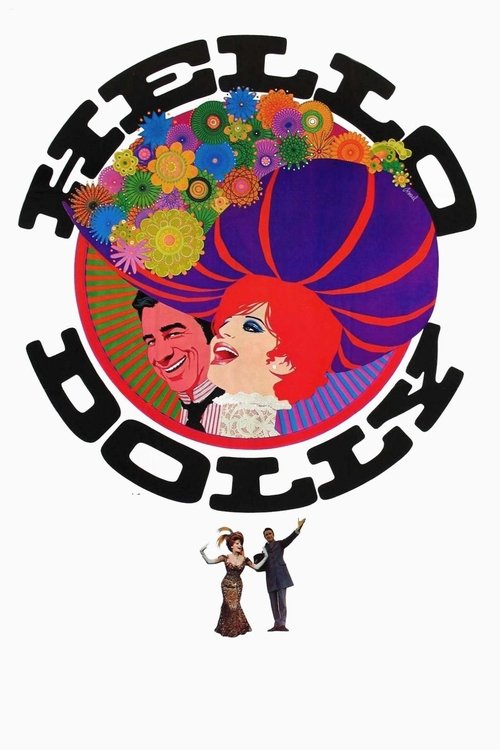
Hello, Dolly!
Dolly Levi is a strong-willed matchmaker who travels to Yonkers, New York in order to see the miserly "well-known unmarried half-a-millionaire" Horace Vandergelder. In doing so, she convinces his niece, his niece's intended, and Horace's two clerks to travel to New York City.
Working with a moderate budget of $24.0M, the film achieved a respectable showing with $33.2M in global revenue (+38% profit margin).
3 Oscars. 4 wins & 13 nominations


Plot Structure
Story beats plotted across runtime


Narrative Arc
Emotional journey through the story's key moments
Story Circle
Blueprint 15-beat structure
Arcplot Score Breakdown
Weighted: Precision (70%) + Arc (15%) + Theme (15%)
Hello, Dolly! (1969) exemplifies deliberately positioned narrative architecture, characteristic of Gene Kelly's storytelling approach. This structural analysis examines how the film's 15-point plot structure maps to proven narrative frameworks across 2 hours and 28 minutes. With an Arcplot score of 7.2, the film balances conventional beats with creative variation.
Characters
Cast & narrative archetypes

Dolly Levi
Horace Vandergelder
Cornelius Hackl
Irene Molloy
Barnaby Tucker
Minnie Fay
Main Cast & Characters
Dolly Levi
Played by Barbra Streisand
A vivacious widowed matchmaker who meddles in others' lives while seeking her own second chance at love with Horace Vandergelder.
Horace Vandergelder
Played by Walter Matthau
A wealthy, penny-pinching grain merchant from Yonkers who plans to remarry but finds himself manipulated by Dolly.
Cornelius Hackl
Played by Michael Crawford
Horace's head clerk who yearns for adventure and romance, leading him to escape to New York City with his friend Barnaby.
Irene Molloy
Played by Marianne McAndrew
A stylish milliner who longs to escape her shop and find genuine love, eventually falling for Cornelius.
Barnaby Tucker
Played by Danny Lockin
Cornelius's enthusiastic young assistant who accompanies him on their New York adventure seeking excitement.
Minnie Fay
Played by E.J. Peaker
Irene's naive but cheerful assistant at the hat shop who becomes romantically involved with Barnaby.
Structural Analysis
The Status Quo at 2 minutes (1% through the runtime) establishes Dolly Levi struts through New York City introducing herself as a widowed matchmaker who arranges lives. She's vibrant, confident, and clearly running from loneliness by staying perpetually busy with other people's affairs.. Notably, this early placement immediately immerses viewers in the story world.
The inciting incident occurs at 20 minutes when Horace announces he's going to New York City to propose to Irene Molloy that very evening. Dolly realizes her time is running out—if Horace marries someone else, she loses her chance at rejoining life and love.. At 14% through the film, this Disruption is delayed, allowing extended setup of the story world. This beat shifts the emotional landscape, launching the protagonist into the central conflict.
The First Threshold at 37 minutes marks the transition into Act II, occurring at 25% of the runtime. This reveals the protagonist's commitment to Dolly makes her grand entrance down the Harmonia Gardens staircase. She actively chooses to re-enter life, announcing to her late husband that she's ready to rejoin the human parade and pursue happiness with Horace. "Before the Parade Passes By" is her declaration of intent., moving from reaction to action.
At 74 minutes, the Midpoint arrives at 50% of the runtime—precisely centered, creating perfect narrative symmetry. Of particular interest, this crucial beat The title number "Hello, Dolly!" peaks as the entire Harmonia Gardens staff celebrates her return to life and society. False victory: she's the center of attention and seemingly in control, but Horace still doesn't see her as a romantic partner and chaos is brewing., fundamentally raising what's at risk. The emotional intensity shifts, dividing the narrative into clear before-and-after phases.
The Collapse moment at 111 minutes (75% through) represents the emotional nadir. Here, Horace furiously fires his clerks and rejects Dolly, calling her a meddling opportunist. Dolly's scheme has collapsed and she faces returning to her lonely existence. The death of her dream to rejoin life through marriage to Horace., illustrates the protagonist at their lowest point. This beat's placement in the final quarter sets up the climactic reversal.
The Second Threshold at 121 minutes initiates the final act resolution at 82% of the runtime. Horace realizes that Dolly's "meddling" was actually spreading joy and life, exactly like the manure metaphor. He sees that his money and control mean nothing without someone to share life with. He gains clarity about what truly matters., demonstrating the transformation achieved throughout the journey.
Emotional Journey
Hello, Dolly!'s emotional architecture traces a deliberate progression across 15 carefully calibrated beats.
Narrative Framework
This structural analysis employs systematic plot point analysis that identifies crucial turning points. By mapping Hello, Dolly! against these established plot points, we can identify how Gene Kelly utilizes or subverts traditional narrative conventions. The plot point approach reveals not only adherence to structural principles but also creative choices that distinguish Hello, Dolly! within the comedy genre.
Comparative Analysis
Additional comedy films include The Bad Guys, Ella Enchanted and The Evening Star.
Plot Points by Act
Act I
SetupStatus Quo
Dolly Levi struts through New York City introducing herself as a widowed matchmaker who arranges lives. She's vibrant, confident, and clearly running from loneliness by staying perpetually busy with other people's affairs.
Theme
Dolly speaks to her late husband Ephram's photo: "Money, pardon the expression, is like manure. It's not worth a thing unless it's spread around encouraging young things to grow." Theme: life and love require participation, not hoarding.
Worldbuilding
Dolly's world of matchmaking in 1890s New York. She visits Yonkers merchant Horace Vandergelder, a "half-a-millionaire" she's been matchmaking for, while secretly wanting him for herself. We meet his clerks Cornelius and Barnaby, and milliner Irene Molloy whom Dolly pretends to match with Horace.
Disruption
Horace announces he's going to New York City to propose to Irene Molloy that very evening. Dolly realizes her time is running out—if Horace marries someone else, she loses her chance at rejoining life and love.
Resistance
Dolly schemes to sabotage Horace's proposal while appearing to help. She encourages Cornelius and Barnaby to have an adventure in New York. She visits Irene's hat shop and plants seeds of doubt about Horace while hiding the clerks in closets during Horace's visit, creating chaos.
Act II
ConfrontationFirst Threshold
Dolly makes her grand entrance down the Harmonia Gardens staircase. She actively chooses to re-enter life, announcing to her late husband that she's ready to rejoin the human parade and pursue happiness with Horace. "Before the Parade Passes By" is her declaration of intent.
Mirror World
Cornelius and Irene's blooming romance serves as the thematic mirror. Unlike Dolly who withdrew from life after loss, they embrace risk and connection. Their "It Only Takes a Moment" storyline shows the joy Dolly has been denying herself.
Premise
The promise of the premise: Dolly Levi works her magic across New York City. Elaborate musical sequences at the hat shop, on the streets, and at the elegant Harmonia Gardens restaurant. Romantic entanglements multiply as everyone pursues love and adventure.
Midpoint
The title number "Hello, Dolly!" peaks as the entire Harmonia Gardens staff celebrates her return to life and society. False victory: she's the center of attention and seemingly in control, but Horace still doesn't see her as a romantic partner and chaos is brewing.
Opposition
Everything unravels. Horace discovers his clerks dining with Irene and Minnie, realizes Dolly orchestrated the chaos, and his penny-pinching nature clashes with Dolly's expansive philosophy. The romantic pairings face obstacles as secrets emerge and misunderstandings multiply.
Collapse
Horace furiously fires his clerks and rejects Dolly, calling her a meddling opportunist. Dolly's scheme has collapsed and she faces returning to her lonely existence. The death of her dream to rejoin life through marriage to Horace.
Crisis
Dolly processes her losses. The various characters reflect on what they truly want. Horace begins to feel the emptiness of his miserly, loveless life. The emotional low before revelation.
Act III
ResolutionSecond Threshold
Horace realizes that Dolly's "meddling" was actually spreading joy and life, exactly like the manure metaphor. He sees that his money and control mean nothing without someone to share life with. He gains clarity about what truly matters.
Synthesis
Resolution of all romantic pairings. Cornelius and Irene reconcile, Barnaby and Minnie unite, and Horace pursues Dolly back to Yonkers. He must prove he's changed by openly declaring his love and accepting life's beautiful chaos.
Transformation
Dolly accepts Horace's proposal, surrounded by all the couples she's helped unite. She's transformed from a widow hiding in busyness to a woman fully alive and rejoining the parade. The final image shows her embracing love and partnership once again.