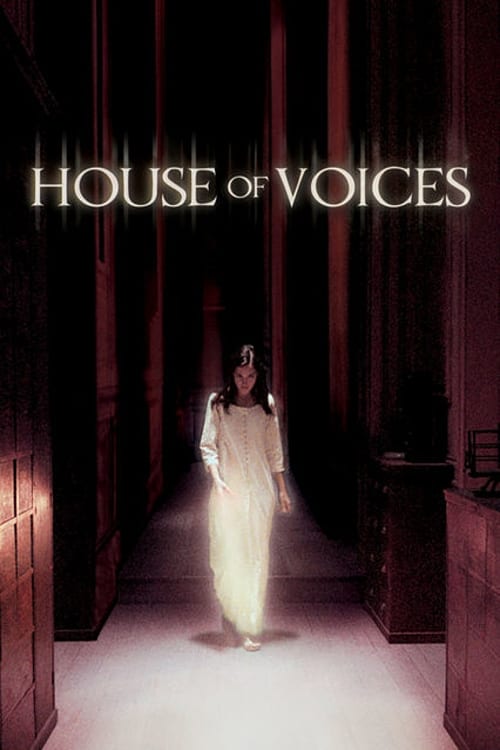
House of Voices
In 1958, in the French Alp, the young servant Anna Jurin arrives in Saint Ange Orphanage to work with Helena while the orphans moved to new families. Anna, who is secretly pregnant, meets the last orphan, Judith, left behind because of her mental problems, and they become closer when Anna find that Judith also hear voices and footsteps of children.
Despite its extremely modest budget of $320K, House of Voices became a massive hit, earning $6.8M worldwide—a remarkable 2019% return. The film's distinctive approach engaged audiences, demonstrating that strong storytelling can transcend budget limitations.


Plot Structure
Story beats plotted across runtime


Narrative Arc
Emotional journey through the story's key moments
Story Circle
Blueprint 15-beat structure
Arcplot Score Breakdown
Weighted: Precision (70%) + Arc (15%) + Theme (15%)
House of Voices (2004) reveals meticulously timed plot construction, characteristic of Pascal Laugier's storytelling approach. This structural analysis examines how the film's 15-point plot structure maps to proven narrative frameworks across 1 hour and 38 minutes. With an Arcplot score of 7.4, the film balances conventional beats with creative variation.
Characters
Cast & narrative archetypes

Anna Jurin
Judith
Helenka
Main Cast & Characters
Anna Jurin
Played by Virginie Ledoyen
A young pregnant woman hired to clean an abandoned orphanage, seeking a fresh start while haunted by her past.
Judith
Played by Lou Doillon
A mysterious young woman who has lived in the orphanage and believes she communicates with the spirits of dead children.
Helenka
Played by Catriona MacColl
The stern former cook of the orphanage who stayed behind after its closure, protective of its secrets.
Structural Analysis
The Status Quo at 1 minutes (1% through the runtime) establishes Anna, visibly pregnant, travels alone by bus through winter countryside. She appears isolated, uncertain, but determined - establishing her as someone seeking a fresh start away from her past.. Structural examination shows that this early placement immediately immerses viewers in the story world.
The inciting incident occurs at 12 minutes when Anna begins hearing unexplained sounds herself - children's laughter, footsteps, and voices echoing through empty corridors. What she assumed would be a simple cleaning job becomes a disturbing mystery. She can no longer dismiss Judith's claims as delusion.. At 12% through the film, this Disruption aligns precisely with traditional story structure. This beat shifts the emotional landscape, launching the protagonist into the central conflict.
The First Threshold at 25 minutes marks the transition into Act II, occurring at 26% of the runtime. This reveals the protagonist's commitment to Anna makes the active choice to investigate the orphanage's history rather than flee. She commits to discovering the truth about what happened to the children, crossing from passive observer to active investigator. This decision binds her fate to the building., moving from reaction to action.
At 49 minutes, the Midpoint arrives at 50% of the runtime—precisely centered, creating perfect narrative symmetry. Significantly, this crucial beat Anna uncovers a horrifying truth: the children died in a tragic incident (possibly fire, medical negligence, or deliberate harm) that was covered up. This false defeat raises stakes - the building isn't just haunted, it's a tomb holding terrible secrets. The supernatural isn't random; it's tied to injustice demanding recognition., fundamentally raising what's at risk. The emotional intensity shifts, dividing the narrative into clear before-and-after phases.
The Collapse moment at 74 minutes (76% through) represents the emotional nadir. Here, Judith dies or disappears, leaving Anna completely alone. This "whiff of death" represents the loss of Anna's only ally and mirror character. Alternatively, Anna may suffer a physical crisis related to her pregnancy, making her most vulnerable precisely when she needs strength., illustrates the protagonist at their lowest point. This beat's placement in the final quarter sets up the climactic reversal.
The Second Threshold at 80 minutes initiates the final act resolution at 82% of the runtime. Anna synthesizes what she's learned: the children aren't malevolent - they're trapped, seeking acknowledgment and release. She realizes she must bear witness to their suffering, using her role as soon-to-be-mother to give them what they were denied. She accepts the supernatural reality rather than fighting it., demonstrating the transformation achieved throughout the journey.
Emotional Journey
House of Voices's emotional architecture traces a deliberate progression across 15 carefully calibrated beats.
Narrative Framework
This structural analysis employs systematic plot point analysis that identifies crucial turning points. By mapping House of Voices against these established plot points, we can identify how Pascal Laugier utilizes or subverts traditional narrative conventions. The plot point approach reveals not only adherence to structural principles but also creative choices that distinguish House of Voices within the horror genre.
Comparative Analysis
Additional horror films include Thinner, A Nightmare on Elm Street and Mary Reilly.
Plot Points by Act
Act I
SetupStatus Quo
Anna, visibly pregnant, travels alone by bus through winter countryside. She appears isolated, uncertain, but determined - establishing her as someone seeking a fresh start away from her past.
Theme
The headmistress tells Anna that "the children are gone now" and warns her about the one remaining girl, Judith, saying "some things are better left alone." This foreshadows the film's theme about confronting versus denying traumatic truth.
Worldbuilding
Anna settles into the vast, empty Saint Ange orphanage. We learn it's 1958 and the building is being shut down. She meets Judith, the last remaining orphan - a strange young woman who insists she hears children playing in the building. The isolation and eerie atmosphere are established.
Disruption
Anna begins hearing unexplained sounds herself - children's laughter, footsteps, and voices echoing through empty corridors. What she assumed would be a simple cleaning job becomes a disturbing mystery. She can no longer dismiss Judith's claims as delusion.
Resistance
Anna debates whether to leave or investigate. Judith becomes an unlikely guide, sharing what she knows about the children's voices. Anna struggles between rational explanations (old building, pregnancy hormones, imagination) and mounting supernatural evidence. Her pregnancy makes her vulnerable but also connects her to themes of motherhood.
Act II
ConfrontationFirst Threshold
Anna makes the active choice to investigate the orphanage's history rather than flee. She commits to discovering the truth about what happened to the children, crossing from passive observer to active investigator. This decision binds her fate to the building.
Mirror World
Anna's relationship with Judith deepens. Judith represents an alternate path - someone who has lived with the trauma and supernatural presence for years. Their bond becomes the emotional core that carries the thematic exploration of motherhood, protection, and confronting past horrors.
Premise
Anna explores the orphanage, uncovering clues about its dark history. Supernatural encounters escalate - apparitions of children, objects moving, time distortions. She discovers evidence of medical experiments or abuse. The premise delivers Gothic horror atmosphere and supernatural mystery investigation.
Midpoint
Anna uncovers a horrifying truth: the children died in a tragic incident (possibly fire, medical negligence, or deliberate harm) that was covered up. This false defeat raises stakes - the building isn't just haunted, it's a tomb holding terrible secrets. The supernatural isn't random; it's tied to injustice demanding recognition.
Opposition
The supernatural forces intensify, becoming aggressive rather than merely present. Anna's pregnancy complicates everything - she's physically vulnerable and emotionally connected to themes of children and protection. External forces (possibly authorities or those complicit in the cover-up) try to stop her investigation. Judith's mental state deteriorates.
Collapse
Judith dies or disappears, leaving Anna completely alone. This "whiff of death" represents the loss of Anna's only ally and mirror character. Alternatively, Anna may suffer a physical crisis related to her pregnancy, making her most vulnerable precisely when she needs strength.
Crisis
Anna, in darkness both literal and emotional, must process her loss. She contemplates giving up, but her connection to her unborn child and the dead children won't let her abandon the truth. This is her dark night of the soul where she must decide what she's willing to sacrifice.
Act III
ResolutionSecond Threshold
Anna synthesizes what she's learned: the children aren't malevolent - they're trapped, seeking acknowledgment and release. She realizes she must bear witness to their suffering, using her role as soon-to-be-mother to give them what they were denied. She accepts the supernatural reality rather than fighting it.
Synthesis
Anna performs a ritual of recognition or confronts the final truth about the orphanage. She may help the children's spirits find peace, or she may become part of the house's eternal cycle. The finale blurs reality and supernatural, past and present, in Gothic horror tradition.
Transformation
The final image reveals Anna's fate - possibly absorbed into the house's history, or having given birth in this liminal space, or becoming a ghost herself. The transformation is ambiguous and tragic, suggesting that confronting traumatic truth exacts a price. The cycle may continue.