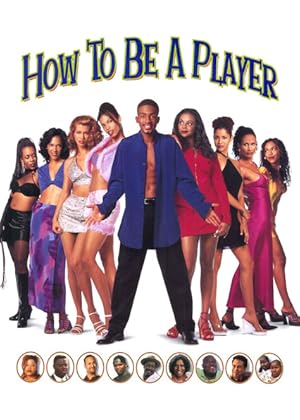
How to Be a Player
Dray is a young playboy whose only objective in life seems to be to have sex with as many girls as he can without getting caught by his girlfriend Lisa. Dray's sister Jenny and her friend Katrina plan to show him that the way he lives is wrong and organize a party in Malibu, inviting all of his girlfriends.
The film earned $14.0M at the global box office.


Plot Structure
Story beats plotted across runtime


Narrative Arc
Emotional journey through the story's key moments
Story Circle
Blueprint 15-beat structure
Arcplot Score Breakdown
Weighted: Precision (70%) + Arc (15%) + Theme (15%)
How to Be a Player (1997) exhibits deliberately positioned plot construction, characteristic of Lionel C. Martin's storytelling approach. This structural analysis examines how the film's 15-point plot structure maps to proven narrative frameworks across 1 hour and 33 minutes. With an Arcplot score of 7.5, the film showcases strong structural fundamentals.
Characters
Cast & narrative archetypes

Dray Jackson
Lysterine
Tone
Jenny
Connie
Sheniqua
David
Main Cast & Characters
Dray Jackson
Played by Bill Bellamy
A smooth-talking ladies' man who juggles multiple relationships while hiding his player lifestyle from each woman.
Lysterine
Played by Lark Voorhies
Dray's genuine love interest who challenges his player ways and makes him question his lifestyle.
Tone
Played by Pierre
Dray's best friend and wingman who supports his player lifestyle but also serves as his conscience.
Jenny
Played by Mari Morrow
One of Dray's girlfriends, a professional woman who believes she's in an exclusive relationship with him.
Connie
Played by Natashia Williams
Another one of Dray's girlfriends, more materialistic and high-maintenance than the others.
Sheniqua
Played by Elise Neal
A feisty girlfriend who represents the passionate side of Dray's romantic entanglements.
David
Played by Bernie Mac
Dray's friend who provides comic relief and additional perspective on relationships.
Structural Analysis
The Status Quo at 1 minutes (1% through the runtime) establishes Dray is living his ideal player lifestyle, successfully juggling multiple women without any of them knowing about each other. He's confident, smooth, and completely in control of his game.. Notably, this early placement immediately immerses viewers in the story world.
The inciting incident occurs at 11 minutes when All of Dray's girlfriends unexpectedly show up at his apartment at the same time for his birthday party, orchestrated by his sister who wants to teach him a lesson about his dishonest ways.. At 12% through the film, this Disruption aligns precisely with traditional story structure. This beat shifts the emotional landscape, launching the protagonist into the central conflict.
The First Threshold at 23 minutes marks the transition into Act II, occurring at 25% of the runtime. This demonstrates the protagonist's commitment to After losing all his girlfriends in the disaster, Dray decides to prove he can change by pursuing a genuine relationship with Salli, a woman who challenges him and doesn't fall for his usual player tricks., moving from reaction to action.
At 46 minutes, the Midpoint arrives at 49% of the runtime—precisely centered, creating perfect narrative symmetry. The analysis reveals that this crucial beat Dray and Salli finally connect on a deeper level, and she agrees to be in a committed relationship with him. He feels like he's succeeded in changing and can have it all—a real relationship with an amazing woman. False victory: he hasn't fully dealt with his past., fundamentally raising what's at risk. The emotional intensity shifts, dividing the narrative into clear before-and-after phases.
The Collapse moment at 69 minutes (74% through) represents the emotional nadir. Here, Salli discovers that Dray has been lying to her about aspects of his past and his recent behavior. She breaks up with him, and he loses the one real relationship he's ever had. His player identity is dead, but he hasn't yet become someone better., illustrates the protagonist at their lowest point. This beat's placement in the final quarter sets up the climactic reversal.
The Second Threshold at 74 minutes initiates the final act resolution at 80% of the runtime. Dray realizes that real change isn't about techniques or strategies—it's about being honest and vulnerable. He understands that he must prove his transformation through actions, not words, combining what Salli taught him about authenticity with his natural charm., demonstrating the transformation achieved throughout the journey.
Emotional Journey
How to Be a Player's emotional architecture traces a deliberate progression across 15 carefully calibrated beats.
Narrative Framework
This structural analysis employs systematic plot point analysis that identifies crucial turning points. By mapping How to Be a Player against these established plot points, we can identify how Lionel C. Martin utilizes or subverts traditional narrative conventions. The plot point approach reveals not only adherence to structural principles but also creative choices that distinguish How to Be a Player within the comedy genre.
Comparative Analysis
Additional comedy films include The Bad Guys, Ella Enchanted and The Evening Star.
Plot Points by Act
Act I
SetupStatus Quo
Dray is living his ideal player lifestyle, successfully juggling multiple women without any of them knowing about each other. He's confident, smooth, and completely in control of his game.
Theme
Dray's sister Lisa warns him that his player lifestyle will eventually catch up with him and that real love requires honesty and commitment, not manipulation and lies.
Worldbuilding
We see Dray's elaborate system for managing multiple relationships: different women for different days, fake emergencies to escape situations, and his best friend helping him maintain the illusion. His apartment, work life, and social circle are all built around sustaining his player identity.
Disruption
All of Dray's girlfriends unexpectedly show up at his apartment at the same time for his birthday party, orchestrated by his sister who wants to teach him a lesson about his dishonest ways.
Resistance
Dray attempts damage control, trying to explain and manipulate his way out of the situation. He debates whether to come clean or double down on his player tactics. His friends give conflicting advice about whether to change or stick to his ways.
Act II
ConfrontationFirst Threshold
After losing all his girlfriends in the disaster, Dray decides to prove he can change by pursuing a genuine relationship with Salli, a woman who challenges him and doesn't fall for his usual player tricks.
Mirror World
Salli represents everything Dray's player lifestyle isn't: she's honest, direct, and expects authenticity. Their developing connection shows him what a real relationship could be, contrasting with his superficial past encounters.
Premise
Dray attempts to be a better man while pursuing Salli, but constantly struggles with his player instincts. Comic situations arise from his attempts to be genuine while his past habits and former girlfriends keep interfering. He learns what it means to actually care about someone else's feelings.
Midpoint
Dray and Salli finally connect on a deeper level, and she agrees to be in a committed relationship with him. He feels like he's succeeded in changing and can have it all—a real relationship with an amazing woman. False victory: he hasn't fully dealt with his past.
Opposition
Dray's past catches up with him as former girlfriends reappear, his old habits tempt him, and the effort required to maintain honesty proves difficult. The lies he told while pretending to change start to unravel, and Salli begins to suspect he hasn't truly transformed.
Collapse
Salli discovers that Dray has been lying to her about aspects of his past and his recent behavior. She breaks up with him, and he loses the one real relationship he's ever had. His player identity is dead, but he hasn't yet become someone better.
Crisis
Dray sits alone, realizing that his player lifestyle left him empty and that losing Salli showed him what truly matters. He reflects on why he became a player in the first place and confronts his fear of genuine vulnerability and commitment.
Act III
ResolutionSecond Threshold
Dray realizes that real change isn't about techniques or strategies—it's about being honest and vulnerable. He understands that he must prove his transformation through actions, not words, combining what Salli taught him about authenticity with his natural charm.
Synthesis
Dray makes grand gestures to prove his transformation, but more importantly, he has honest conversations with the women he hurt, takes responsibility for his actions, and demonstrates genuine change through consistent behavior. He publicly declares his love for Salli and his commitment to being a better man.
Transformation
Dray is in a committed, honest relationship with Salli. Unlike the opening where he was juggling multiple women and living a lie, he's now genuinely happy with one woman, demonstrating that real love is better than playing games.