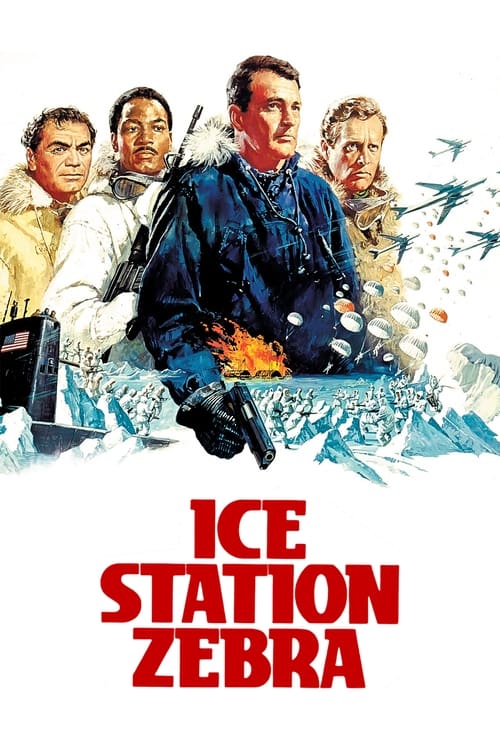
Ice Station Zebra
A top-secret Soviet spy satellite -- using stolen Western technology -- malfunctions and then goes into a descent that lands it near an isolated Arctic research encampment called Ice Station Zebra, belonging to the British, which starts sending out distress signals before falling silent. The atomic submarine Tigerfish, commanded by Cmdr. James Ferraday (Rock Hudson), is dispatched to save them.
The film disappointed at the box office against its limited budget of $8.0M, earning $4.6M globally (-42% loss). While initial box office returns were modest, the film has gained appreciation for its compelling narrative within the action genre.
Nominated for 2 Oscars. 2 nominations


Plot Structure
Story beats plotted across runtime


Narrative Arc
Emotional journey through the story's key moments
Story Circle
Blueprint 15-beat structure
Arcplot Score Breakdown
Weighted: Precision (70%) + Arc (15%) + Theme (15%)
Ice Station Zebra (1968) reveals strategically placed plot construction, characteristic of John Sturges's storytelling approach. This structural analysis examines how the film's 15-point plot structure maps to proven narrative frameworks across 2 hours and 29 minutes. With an Arcplot score of 7.2, the film balances conventional beats with creative variation.
Characters
Cast & narrative archetypes

Commander James Ferraday

David Jones

Boris Vaslov
Captain Leslie Anders

Lieutenant Russell Walker
Main Cast & Characters
Commander James Ferraday
Played by Rock Hudson
Submarine commander tasked with leading a dangerous Arctic rescue mission to Ice Station Zebra.
David Jones
Played by Patrick McGoohan
Mysterious British intelligence agent with hidden motives who accompanies the mission.
Boris Vaslov
Played by Ernest Borgnine
Russian defector and intelligence operative with unclear loyalties.
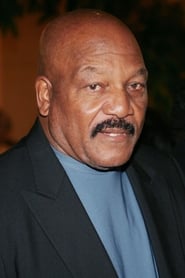
Captain Leslie Anders
Played by Jim Brown
Marine captain and military officer who leads the ground team at the ice station.
Lieutenant Russell Walker
Played by Tony Bill
Submarine officer and Ferraday's second-in-command aboard the nuclear sub.
Structural Analysis
The Status Quo at 1 minutes (1% through the runtime) establishes Commander Ferraday commands the nuclear submarine USS Tigerfish on routine patrol, a skilled officer in his element beneath the Arctic waters.. Significantly, this early placement immediately immerses viewers in the story world.
The inciting incident occurs at 18 minutes when Ferraday receives emergency orders to abort patrol and race to the Arctic to rescue survivors at Ice Station Zebra, a British meteorological station with a hidden purpose.. At 12% through the film, this Disruption aligns precisely with traditional story structure. This beat shifts the emotional landscape, launching the protagonist into the central conflict.
The First Threshold at 38 minutes marks the transition into Act II, occurring at 25% of the runtime. This illustrates the protagonist's commitment to The Tigerfish crashes through the polar ice cap and enters the hostile Arctic environment, committed to the rescue mission with no possibility of turning back., moving from reaction to action.
At 74 minutes, the Midpoint arrives at 50% of the runtime—precisely centered, creating perfect narrative symmetry. Of particular interest, this crucial beat The team discovers Ice Station Zebra completely destroyed by fire and sabotage, with survivors who may include the saboteur - the stakes escalate from rescue to preventing enemy acquisition of the satellite film capsule., fundamentally raising what's at risk. The emotional intensity shifts, dividing the narrative into clear before-and-after phases.
The Collapse moment at 111 minutes (75% through) represents the emotional nadir. Here, The situation deteriorates into armed confrontation as both sides position for the satellite capsule. Violence seems inevitable and the mission appears lost as Russian forces gain advantage., shows the protagonist at their lowest point. This beat's placement in the final quarter sets up the climactic reversal.
The Second Threshold at 119 minutes initiates the final act resolution at 80% of the runtime. Ferraday synthesizes the clues and unmasks the true saboteur, gaining the evidence and leverage needed to outmaneuver the Soviet forces and secure the satellite capsule., demonstrating the transformation achieved throughout the journey.
Emotional Journey
Ice Station Zebra's emotional architecture traces a deliberate progression across 15 carefully calibrated beats.
Narrative Framework
This structural analysis employs a 15-point narrative structure framework that maps key story moments. By mapping Ice Station Zebra against these established plot points, we can identify how John Sturges utilizes or subverts traditional narrative conventions. The plot point approach reveals not only adherence to structural principles but also creative choices that distinguish Ice Station Zebra within the action genre.
John Sturges's Structural Approach
Among the 5 John Sturges films analyzed on Arcplot, the average structural score is 6.5, demonstrating varied approaches to story architecture. Ice Station Zebra represents one of the director's most structurally precise works. For comparative analysis, explore the complete John Sturges filmography.
Comparative Analysis
Additional action films include The Bad Guys, Puss in Boots and Venom: The Last Dance. For more John Sturges analyses, see The Great Escape, Gunfight at the O.K. Corral and Joe Kidd.
Plot Points by Act
Act I
SetupStatus Quo
Commander Ferraday commands the nuclear submarine USS Tigerfish on routine patrol, a skilled officer in his element beneath the Arctic waters.
Theme
British agent Jones tells Ferraday that trust is a luxury they can't afford in this mission - foreshadowing the espionage themes of deception and competing loyalties.
Worldbuilding
Introduction to the Cold War submarine world, the crew of the Tigerfish, and the mysterious intelligence agents who board with conflicting agendas and secrets.
Disruption
Ferraday receives emergency orders to abort patrol and race to the Arctic to rescue survivors at Ice Station Zebra, a British meteorological station with a hidden purpose.
Resistance
The submarine races toward the Arctic as tensions mount between the mysterious passengers. Ferraday navigates suspicions about the true nature of the mission while preparing for treacherous ice operations.
Act II
ConfrontationFirst Threshold
The Tigerfish crashes through the polar ice cap and enters the hostile Arctic environment, committed to the rescue mission with no possibility of turning back.
Mirror World
Ferraday and the Russian agent Borski share a moment of mutual respect as professional military men, introducing the parallel between supposed enemies who are more alike than different.
Premise
The crew faces the challenges promised by the Arctic setting: navigating under ice, surfacing through ice fields, and trekking across the frozen wasteland to reach the burned station and its secrets.
Midpoint
The team discovers Ice Station Zebra completely destroyed by fire and sabotage, with survivors who may include the saboteur - the stakes escalate from rescue to preventing enemy acquisition of the satellite film capsule.
Opposition
Soviet forces arrive at the station. The investigation narrows suspects as Ferraday must identify the traitor while managing the standoff with Russian paratroopers who also seek the satellite intelligence.
Collapse
The situation deteriorates into armed confrontation as both sides position for the satellite capsule. Violence seems inevitable and the mission appears lost as Russian forces gain advantage.
Crisis
Ferraday faces the darkness of potential failure and international incident. He must find a solution that prevents war while securing the intelligence and exposing the traitor.
Act III
ResolutionSecond Threshold
Ferraday synthesizes the clues and unmasks the true saboteur, gaining the evidence and leverage needed to outmaneuver the Soviet forces and secure the satellite capsule.
Synthesis
Ferraday executes a tense negotiation and standoff with the Soviets, navigates the political complexities, and successfully retrieves the capsule while avoiding bloodshed through professional military respect.
Transformation
Ferraday returns to his submarine having evolved from a commander following orders to a leader who navigated the murky gray zones of Cold War espionage with integrity and wisdom.