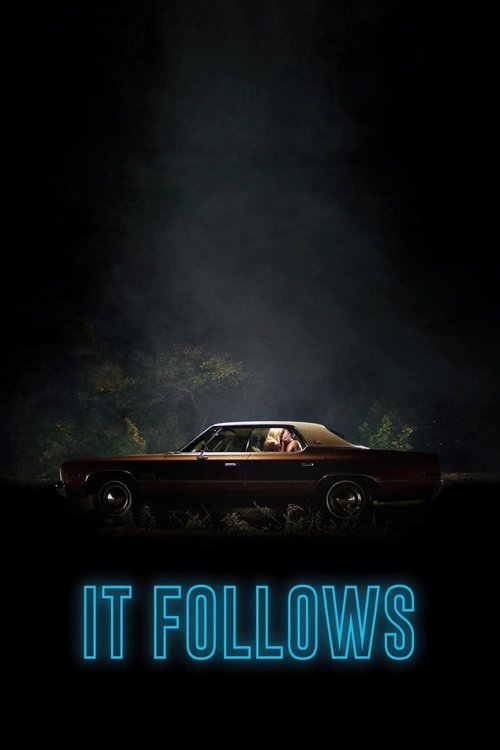
It Follows
A young woman is followed by an unknown supernatural force after a sexual encounter.
Despite its small-scale budget of $2.3M, It Follows became a massive hit, earning $23.4M worldwide—a remarkable 916% return. The film's unconventional structure attracted moviegoers, demonstrating that strong storytelling can transcend budget limitations.
25 wins & 44 nominations


Plot Structure
Story beats plotted across runtime


Narrative Arc
Emotional journey through the story's key moments
Story Circle
Blueprint 15-beat structure
Arcplot Score Breakdown
Weighted: Precision (70%) + Arc (15%) + Theme (15%)
It Follows (2015) exhibits meticulously timed dramatic framework, characteristic of David Robert Mitchell's storytelling approach. This structural analysis examines how the film's 15-point plot structure maps to proven narrative frameworks across 1 hour and 41 minutes. With an Arcplot score of 7.2, the film balances conventional beats with creative variation.
Characters
Cast & narrative archetypes

Jay Height
Paul Bolduan
Kelly Height
Yara Davis
Greg Hannigan
Hugh / Jeff Redmond
Main Cast & Characters
Jay Height
Played by Maika Monroe
A 19-year-old college student who becomes cursed by a sexually transmitted supernatural entity that relentlessly pursues her.
Paul Bolduan
Played by Keir Gilchrist
Jay's longtime friend and neighbor who is deeply in love with her and tries to protect her from the entity.
Kelly Height
Played by Lili Sepe
Jay's younger sister who stands by her and helps investigate the curse despite her fear.
Yara Davis
Played by Olivia Luccardi
A studious friend who provides research assistance and emotional support to the group.
Greg Hannigan
Played by Daniel Zovatto
A confident neighbor who attempts to help Jay by taking on the curse himself.
Hugh / Jeff Redmond
Played by Jake Weary
Jay's date who passes the curse to her and initially appears protective but reveals himself as manipulative and desperate.
Structural Analysis
The Status Quo at 1 minutes (1% through the runtime) establishes A young woman in a nightgown runs terrified from her suburban home. Her father asks what's wrong, but she can't explain. She drives to a beach where we find her dead body the next morning, grotesquely contorted. This cold open establishes a world where an unseen horror stalks the young.. Notably, this early placement immediately immerses viewers in the story world.
The inciting incident occurs at 12 minutes when After having sex with Hugh in his car, Jay is violently chloroformed and tied to a wheelchair. Hugh reveals he has passed a curse to her: an entity will now follow her, taking the form of people, walking slowly but relentlessly. If it catches her, she'll die. The only way to pass it on is through sex.. At 11% through the film, this Disruption aligns precisely with traditional story structure. This beat shifts the emotional landscape, launching the protagonist into the central conflict.
The First Threshold at 25 minutes marks the transition into Act II, occurring at 24% of the runtime. This indicates the protagonist's commitment to The entity breaks into Jay's house, appearing as a disheveled woman who urinates on the floor. Jay flees in terror with her friends. This is her active choice to run, to accept that this curse is real, and to leave her ordinary world behind. Her childhood home is no longer safe., moving from reaction to action.
At 50 minutes, the Midpoint arrives at 49% of the runtime—precisely centered, creating perfect narrative symmetry. The analysis reveals that this crucial beat At the beach house, the entity appears as Greg's mother and attacks Jay in the bedroom. Her friends finally see it - tall, imposing, undeniable. They shoot at it but can only slow it down. Jay is injured. The illusion of safety is shattered. They can't fight it conventionally, only delay it., fundamentally raising what's at risk. The emotional intensity shifts, dividing the narrative into clear before-and-after phases.
The Collapse moment at 74 minutes (73% through) represents the emotional nadir. Here, Greg is dead - brutally killed despite being athletic and strong. Jay realizes anyone she passes the curse to will likely die, making her a potential murderer. In despair, she drives to the city, picks up three men on a boat, and sleeps with one to pass the curse. This act represents the death of her remaining innocence and moral compass., shows the protagonist at their lowest point. This beat's placement in the final quarter sets up the climactic reversal.
The Second Threshold at 80 minutes initiates the final act resolution at 79% of the runtime. Paul formulates a plan: lure the entity to a swimming pool and electrocute it with appliances. Jay agrees to let Paul sleep with her afterward to take the curse, protecting her. This synthesis combines their childhood world (the pool) with adult action. They choose to fight together rather than run alone., demonstrating the transformation achieved throughout the journey.
Emotional Journey
It Follows's emotional architecture traces a deliberate progression across 15 carefully calibrated beats.
Narrative Framework
This structural analysis employs a 15-point narrative structure framework that maps key story moments. By mapping It Follows against these established plot points, we can identify how David Robert Mitchell utilizes or subverts traditional narrative conventions. The plot point approach reveals not only adherence to structural principles but also creative choices that distinguish It Follows within the horror genre.
Comparative Analysis
Additional horror films include Thinner, A Nightmare on Elm Street and Mary Reilly.
Plot Points by Act
Act I
SetupStatus Quo
A young woman in a nightgown runs terrified from her suburban home. Her father asks what's wrong, but she can't explain. She drives to a beach where we find her dead body the next morning, grotesquely contorted. This cold open establishes a world where an unseen horror stalks the young.
Theme
Jay's sister Kelly mentions how different things feel now that they're older, contrasting childhood innocence with adult awareness. This establishes the film's central theme: the loss of innocence and the inescapable consequences of sexual maturity.
Worldbuilding
Jay is a college student living a normal suburban life with her sister Kelly and friends Paul and Yara. She's dating Hugh, a new boyfriend. We see her domestic world: her mother, her pool, her neighborhood. Everything feels safe, nostalgic, almost dreamlike in its ordinariness.
Disruption
After having sex with Hugh in his car, Jay is violently chloroformed and tied to a wheelchair. Hugh reveals he has passed a curse to her: an entity will now follow her, taking the form of people, walking slowly but relentlessly. If it catches her, she'll die. The only way to pass it on is through sex.
Resistance
Jay struggles to process what happened. She tells the police, but Hugh (real name Jeff) has disappeared. Her friends don't believe her until she sees the entity approaching - an old woman in a hospital gown. They witness her terror. Jay debates whether this is real, whether she should run, whether there's any way out.
Act II
ConfrontationFirst Threshold
The entity breaks into Jay's house, appearing as a disheveled woman who urinates on the floor. Jay flees in terror with her friends. This is her active choice to run, to accept that this curse is real, and to leave her ordinary world behind. Her childhood home is no longer safe.
Mirror World
Paul, Jay's childhood friend who has been in love with her since they were kids, pledges to protect her. He represents the innocent, pre-sexual world Jay has lost. Their relationship carries the thematic weight: can genuine connection exist after innocence is destroyed?
Premise
Jay and her friends stay on the move - hiding at a beach house, constantly watching for the entity. They track down Hugh/Jeff, who explains the rules. The entity takes various forms: strangers, loved ones, the dead. They research, strategize, and try to understand what they're facing. The horror is established: you can run, but it will always follow.
Midpoint
At the beach house, the entity appears as Greg's mother and attacks Jay in the bedroom. Her friends finally see it - tall, imposing, undeniable. They shoot at it but can only slow it down. Jay is injured. The illusion of safety is shattered. They can't fight it conventionally, only delay it.
Opposition
Greg, the boy next door, offers to help by sleeping with Jay to take the curse temporarily. Jay agrees out of desperation. For a few days, it seems to work - Greg doesn't believe it's real. But then the entity kills Greg in his home, appearing first as his half-naked mother. The curse returns to Jay. Her options are running out.
Collapse
Greg is dead - brutally killed despite being athletic and strong. Jay realizes anyone she passes the curse to will likely die, making her a potential murderer. In despair, she drives to the city, picks up three men on a boat, and sleeps with one to pass the curse. This act represents the death of her remaining innocence and moral compass.
Crisis
Jay returns home emotionally shattered. She sits by the pool in dissociation. Paul finds her and realizes what she's done. The entity appears again - it's returned, meaning the man from the boat is dead. Jay has hit bottom: the curse cannot be escaped through moral compromise. She and Paul share a moment of understanding in their shared doom.
Act III
ResolutionSecond Threshold
Paul formulates a plan: lure the entity to a swimming pool and electrocute it with appliances. Jay agrees to let Paul sleep with her afterward to take the curse, protecting her. This synthesis combines their childhood world (the pool) with adult action. They choose to fight together rather than run alone.
Synthesis
They execute the pool plan. Jay waits as bait. The entity arrives, takes different forms, attacks. They throw electrical devices into the pool. Blood clouds the water suggesting success, but the entity may still be alive - it's unclear. Paul shoots at something in the water. The ambiguity mirrors the curse itself: never fully defeated, only delayed.
Transformation
Jay and Paul, now lovers bound by trauma, walk hand-in-hand through their neighborhood. Behind them, a figure walks in the distance. Is it the entity, or just a person? They don't look back. They've accepted that the horror will follow them forever. Childhood is over; they face an uncertain future together, vigilant but no longer alone.