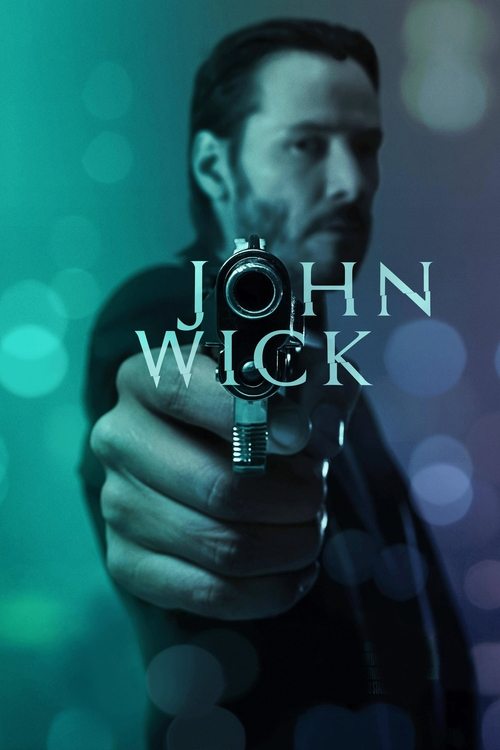
John Wick
Ex-hitman John Wick comes out of retirement to track down the gangsters that took everything from him.
Despite a mid-range budget of $20.0M, John Wick became a commercial success, earning $88.8M worldwide—a 344% return.
5 wins & 10 nominations


Plot Structure
Story beats plotted across runtime


Narrative Arc
Emotional journey through the story's key moments
Story Circle
Blueprint 15-beat structure
Arcplot Score Breakdown
Weighted: Precision (70%) + Arc (15%) + Theme (15%)
John Wick (2014) exhibits deliberately positioned story structure, characteristic of Chad Stahelski's storytelling approach. This structural analysis examines how the film's 15-point plot structure maps to proven narrative frameworks across 1 hour and 41 minutes. With an Arcplot score of 7.2, the film balances conventional beats with creative variation.
Characters
Cast & narrative archetypes

John Wick
Viggo Tarasov
Marcus
Iosef Tarasov
Winston
Perkins
Main Cast & Characters
John Wick
Played by Keanu Reeves
A legendary retired assassin forced back into the criminal underworld after his dog is killed and his car is stolen.
Viggo Tarasov
Played by Michael Nyqvist
A powerful Russian crime boss whose son incurs John Wick's wrath, leading to a violent confrontation.
Marcus
Played by Willem Dafoe
A veteran assassin and John's longtime friend who tries to help him despite a contract on his head.
Iosef Tarasov
Played by Alfie Allen
Viggo's impulsive son who kills John Wick's dog and steals his car, triggering the entire conflict.
Winston
Played by Ian McShane
The sophisticated manager of the Continental Hotel who maintains order in the assassin underworld.
Perkins
Played by Adrianne Palicki
A ruthless assassin who breaks the Continental's sacred rules to collect the bounty on John Wick.
Structural Analysis
The Status Quo at 1 minutes (1% through the runtime) establishes John Wick crashes his SUV and collapses, bleeding out while watching a video of his wife on his phone. We flash back to see him grieving at her funeral, a broken man holding onto the last remnant of his humanity.. Notably, this early placement immediately immerses viewers in the story world.
The inciting incident occurs at 13 minutes when Iosef and his crew break into John's home at night. They beat him unconscious, steal his Mustang, and kill Daisy—the last gift from his dying wife. John wakes to find her body, destroying his last connection to his humanity.. At 13% through the film, this Disruption is delayed, allowing extended setup of the story world. This beat shifts the emotional landscape, launching the protagonist into the central conflict.
The First Threshold at 25 minutes marks the transition into Act II, occurring at 25% of the runtime. This indicates the protagonist's commitment to John massacres the twelve-man hit squad Viggo sends to his home with brutal efficiency. He makes the active choice to fully return to his former life as an assassin, calling in a "dinner reservation" to dispose of the bodies., moving from reaction to action.
At 51 minutes, the Midpoint arrives at 50% of the runtime—precisely centered, creating perfect narrative symmetry. Of particular interest, this crucial beat John corners Iosef at the Red Circle but Iosef narrowly escapes. Despite this, John has decimated Viggo's forces and proven unstoppable. Viggo realizes he cannot protect his son through conventional means—a false victory as the stakes now escalate dramatically., fundamentally raising what's at risk. The emotional intensity shifts, dividing the narrative into clear before-and-after phases.
The Collapse moment at 76 minutes (75% through) represents the emotional nadir. Here, Viggo has Marcus executed for helping John, shooting him in his own home. John loses his last true ally—the mentor figure who represented the honorable side of his former life. The whiff of death is literal: Marcus dies protecting John., reveals the protagonist at their lowest point. This beat's placement in the final quarter sets up the climactic reversal.
The Second Threshold at 81 minutes initiates the final act resolution at 80% of the runtime. Armed with Iosef's location at the church safehouse, John commits to the final assault. Winston's execution of Perkins confirms the code still holds—John can finish this knowing the underworld's rules remain intact., demonstrating the transformation achieved throughout the journey.
Emotional Journey
John Wick's emotional architecture traces a deliberate progression across 15 carefully calibrated beats.
Narrative Framework
This structural analysis employs structural analysis methodology used to understand storytelling architecture. By mapping John Wick against these established plot points, we can identify how Chad Stahelski utilizes or subverts traditional narrative conventions. The plot point approach reveals not only adherence to structural principles but also creative choices that distinguish John Wick within the action genre.
Chad Stahelski's Structural Approach
Among the 4 Chad Stahelski films analyzed on Arcplot, the average structural score is 7.0, demonstrating varied approaches to story architecture. John Wick represents one of the director's most structurally precise works. For comparative analysis, explore the complete Chad Stahelski filmography.
Comparative Analysis
Additional action films include The Bad Guys, Puss in Boots and Venom: The Last Dance. For more Chad Stahelski analyses, see John Wick: Chapter 2, John Wick: Chapter 3 - Parabellum and John Wick: Chapter 4.
Plot Points by Act
Act I
SetupStatus Quo
John Wick crashes his SUV and collapses, bleeding out while watching a video of his wife on his phone. We flash back to see him grieving at her funeral, a broken man holding onto the last remnant of his humanity.
Theme
Helen's posthumous letter accompanying Daisy the puppy states: "Now that I'm gone, you need something to love. So start with this." The theme of needing connection to remain human is established.
Worldbuilding
John's life after Helen's death is established: he grieves, receives Daisy, bonds with her, and encounters Iosef at the gas station where his 1969 Mustang catches the young mobster's eye. John's quiet suburban existence masks his violent past.
Disruption
Iosef and his crew break into John's home at night. They beat him unconscious, steal his Mustang, and kill Daisy—the last gift from his dying wife. John wakes to find her body, destroying his last connection to his humanity.
Resistance
Viggo learns his son killed John Wick's dog and tells Iosef the legend of the Baba Yaga. John retrieves his buried cache of weapons and gold coins. Viggo attempts to reason with John by phone, then sends a hit squad when John refuses to stand down.
Act II
ConfrontationFirst Threshold
John massacres the twelve-man hit squad Viggo sends to his home with brutal efficiency. He makes the active choice to fully return to his former life as an assassin, calling in a "dinner reservation" to dispose of the bodies.
Mirror World
John checks into The Continental, the neutral-ground hotel for assassins. Winston welcomes him back, and we see Marcus watching from across the bar. The rules-based underworld of assassins represents John's true home and the code he lives by.
Premise
John hunts Iosef through New York's underworld. He raids the Red Circle nightclub in a spectacular action sequence, fighting through waves of guards. The promise of the premise delivers: we see why John Wick is legendary, as he methodically tears through Viggo's organization.
Midpoint
John corners Iosef at the Red Circle but Iosef narrowly escapes. Despite this, John has decimated Viggo's forces and proven unstoppable. Viggo realizes he cannot protect his son through conventional means—a false victory as the stakes now escalate dramatically.
Opposition
Viggo puts a $2 million open contract on John. Ms. Perkins attacks John in The Continental, breaking the rules. Marcus secretly protects John. Viggo captures John and reveals he killed his wife's final gift to break him. John escapes but the opposition intensifies.
Collapse
Viggo has Marcus executed for helping John, shooting him in his own home. John loses his last true ally—the mentor figure who represented the honorable side of his former life. The whiff of death is literal: Marcus dies protecting John.
Crisis
John processes Marcus's death. Ms. Perkins reveals Iosef's location under duress before being executed by Continental staff for breaking the rules. John is alone, wounded, but now knows exactly where to find his target.
Act III
ResolutionSecond Threshold
Armed with Iosef's location at the church safehouse, John commits to the final assault. Winston's execution of Perkins confirms the code still holds—John can finish this knowing the underworld's rules remain intact.
Synthesis
John assaults the church, killing Iosef and Viggo's remaining men. He finally executes Iosef with a headshot. Viggo flees but John pursues him to the harbor for a final confrontation. They fight hand-to-hand; John kills Viggo with a knife despite being stabbed himself.
Transformation
Wounded and bleeding, John breaks into an animal clinic to treat himself. He frees a pit bull scheduled for euthanasia—another dog without a home. They walk off into the night together. The cycle continues: John remains the Baba Yaga, but now has something to love again.