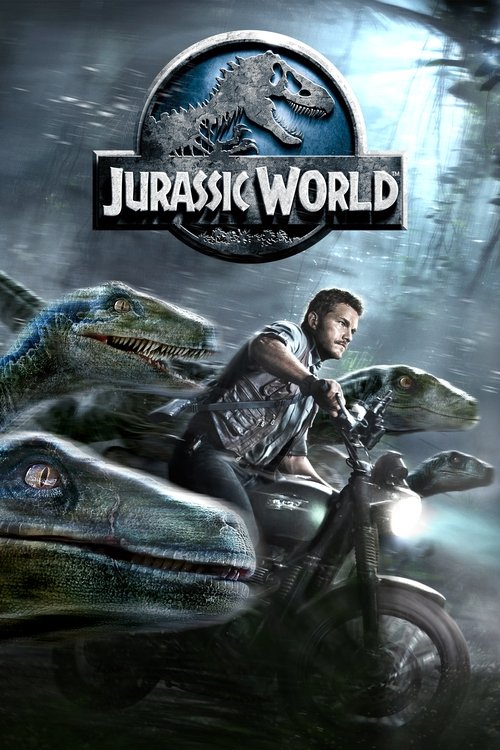
Jurassic World
Twenty-two years after the events of Jurassic Park, Isla Nublar now features a fully functioning dinosaur theme park, Jurassic World, as originally envisioned by John Hammond.
Despite a enormous budget of $150.0M, Jurassic World became a box office phenomenon, earning $1671.5M worldwide—a remarkable 1014% return. This commercial performance validated the ambitious narrative scope, showing that audiences embrace unique voice even at blockbuster scale.
15 wins & 58 nominations


Plot Structure
Story beats plotted across runtime


Narrative Arc
Emotional journey through the story's key moments
Story Circle
Blueprint 15-beat structure
Arcplot Score Breakdown
Weighted: Precision (70%) + Arc (15%) + Theme (15%)
Jurassic World (2015) exemplifies deliberately positioned narrative design, characteristic of Colin Trevorrow's storytelling approach. This structural analysis examines how the film's 15-point plot structure maps to proven narrative frameworks across 2 hours and 4 minutes. With an Arcplot score of 6.5, the film balances conventional beats with creative variation.
Characters
Cast & narrative archetypes

Owen Grady
Claire Dearing
Zach Mitchell
Gray Mitchell
Vic Hoskins
Simon Masrani
Dr. Henry Wu
Barry Sembène
Main Cast & Characters
Owen Grady
Played by Chris Pratt
A former Navy veteran and ethologist who works at Jurassic World researching Velociraptor behavior. Pragmatic and hands-on, with a deep respect for the dinosaurs as living creatures.
Claire Dearing
Played by Bryce Dallas Howard
Operations manager of Jurassic World who is career-focused and initially detached from the animals. Transforms through crisis into a more empathetic and action-oriented person.
Zach Mitchell
Played by Nick Robinson
Claire's teenage nephew visiting the park. Cynical and distracted by relationship troubles at the start, but rises to protect his younger brother.
Gray Mitchell
Played by Ty Simpkins
Claire's enthusiastic younger nephew who is obsessed with dinosaurs and knowledgeable about the original Jurassic Park. His wonder balances his brother's cynicism.
Vic Hoskins
Played by Vincent D'Onofrio
Head of InGen Security Operations who sees the raptors as weapons and wants to militarize them. Opportunistic and willing to exploit the crisis for his agenda.
Simon Masrani
Played by Irrfan Khan
The wealthy, idealistic CEO of Masrani Global and owner of Jurassic World. Wants to fulfill John Hammond's vision but allows dangerous innovations.
Dr. Henry Wu
Played by BD Wong
Jurassic World's chief geneticist who created the Indominus Rex. Intellectually brilliant but morally compromised, prioritizing scientific achievement over safety.
Barry Sembène
Played by Omar Sy
Owen's French colleague and fellow raptor trainer who shares his respect for the animals and skepticism toward militarization.
Structural Analysis
The Status Quo at 1 minutes (1% through the runtime) establishes A dinosaur egg cracks open as a baby emerges, establishing the park's success at creating life—the dream of Jurassic Park finally realized, but with an ominous undercurrent of nature's unpredictability.. Structural examination shows that this early placement immediately immerses viewers in the story world.
The inciting incident occurs at 15 minutes when Claire brings Owen to inspect the Indominus Rex paddock. Upon checking the enclosure, they discover the hybrid dinosaur has seemingly escaped—its thermal signature vanished and claw marks suggest it climbed the wall. The creature they created to boost attendance has outsmarted them.. At 12% through the film, this Disruption aligns precisely with traditional story structure. This beat shifts the emotional landscape, launching the protagonist into the central conflict.
The First Threshold at 30 minutes marks the transition into Act II, occurring at 24% of the runtime. This illustrates the protagonist's commitment to Claire makes the active choice to find her nephews herself after learning they've gone off-grid in the restricted areas. She enlists Owen's help, abandoning her control room and corporate duties to personally enter the dangerous park—transforming from administrator to protector., moving from reaction to action.
At 61 minutes, the Midpoint arrives at 50% of the runtime—precisely centered, creating perfect narrative symmetry. Of particular interest, this crucial beat The Indominus breaks into the Aviary, releasing the Pteranodons and Dimorphodons who attack the fleeing tourists on Main Street. Zara, Claire's assistant, is killed by a Pteranodon and Mosasaurus. The park's complete loss of control becomes undeniable—this is now a full-scale disaster, not a containable incident., fundamentally raising what's at risk. The emotional intensity shifts, dividing the narrative into clear before-and-after phases.
The Collapse moment at 92 minutes (74% through) represents the emotional nadir. Here, The raptors have turned. Hoskins is killed by Delta in the genetics lab. The Indominus corners Owen, Claire, and the boys at the Innovation Center. All conventional weapons have failed. The raptors they raised from birth now serve the monster. There seems to be no way to survive—every asset has become a liability., shows the protagonist at their lowest point. This beat's placement in the final quarter sets up the climactic reversal.
The Second Threshold at 99 minutes initiates the final act resolution at 80% of the runtime. Claire has a revelation: they need more teeth. She sprints to Paddock 9 and releases the Tyrannosaurus Rex—embracing chaos rather than trying to control it. This act of letting go, of trusting nature to fight nature, represents her complete transformation from control-obsessed executive to someone who understands you can't dominate life., demonstrating the transformation achieved throughout the journey.
Emotional Journey
Jurassic World's emotional architecture traces a deliberate progression across 15 carefully calibrated beats.
Narrative Framework
This structural analysis employs a 15-point narrative structure framework that maps key story moments. By mapping Jurassic World against these established plot points, we can identify how Colin Trevorrow utilizes or subverts traditional narrative conventions. The plot point approach reveals not only adherence to structural principles but also creative choices that distinguish Jurassic World within the action genre.
Colin Trevorrow's Structural Approach
Among the 4 Colin Trevorrow films analyzed on Arcplot, the average structural score is 7.0, reflecting strong command of classical structure. Jurassic World takes a more unconventional approach compared to the director's typical style. For comparative analysis, explore the complete Colin Trevorrow filmography.
Comparative Analysis
Additional action films include The Bad Guys, Puss in Boots and Venom: The Last Dance. For more Colin Trevorrow analyses, see The Book of Henry, Safety Not Guaranteed and Jurassic World Dominion.
Plot Points by Act
Act I
SetupStatus Quo
A dinosaur egg cracks open as a baby emerges, establishing the park's success at creating life—the dream of Jurassic Park finally realized, but with an ominous undercurrent of nature's unpredictability.
Theme
The mother tells Gray and Zach to stay close and follow their aunt's instructions, emphasizing the importance of connection and being present—the very lesson Claire must learn as she prioritizes corporate metrics over human relationships.
Worldbuilding
The fully operational Jurassic World is revealed: 20,000 daily visitors, genetically modified attractions, corporate sponsorships. Claire runs operations with cold efficiency while her nephews Zach and Gray arrive for a visit she's too busy to attend. Owen trains velociraptors with respect and connection.
Disruption
Claire brings Owen to inspect the Indominus Rex paddock. Upon checking the enclosure, they discover the hybrid dinosaur has seemingly escaped—its thermal signature vanished and claw marks suggest it climbed the wall. The creature they created to boost attendance has outsmarted them.
Resistance
Owen enters the paddock to investigate, only to discover the Indominus never left—it masked its heat signature and was waiting. Workers are killed as it escapes. Claire resists evacuating the park due to liability concerns. Owen warns that this creature is unlike anything they've faced, but corporate interests override caution.
Act II
ConfrontationFirst Threshold
Claire makes the active choice to find her nephews herself after learning they've gone off-grid in the restricted areas. She enlists Owen's help, abandoning her control room and corporate duties to personally enter the dangerous park—transforming from administrator to protector.
Mirror World
Owen and Claire's relationship deepens as they search for the boys together. Their opposing worldviews—his emphasis on respect for the animals versus her corporate control mentality—create the thematic tension. Owen represents the empathetic connection Claire lacks in her life.
Premise
The promise of the premise unfolds: a fully functioning dinosaur theme park under siege. Zach and Gray explore in their gyrosphere, encountering the Indominus. The ACU team is decimated. Pteranodons attack Main Street. Owen and Claire track the boys through the jungle, discovering the ruins of the original Jurassic Park visitor center.
Midpoint
The Indominus breaks into the Aviary, releasing the Pteranodons and Dimorphodons who attack the fleeing tourists on Main Street. Zara, Claire's assistant, is killed by a Pteranodon and Mosasaurus. The park's complete loss of control becomes undeniable—this is now a full-scale disaster, not a containable incident.
Opposition
Hoskins seizes control and implements his plan to weaponize Owen's raptors against the Indominus. The raptors turn on the humans when the Indominus—revealed to have raptor DNA—communicates with them and becomes their new alpha. InGen's military agenda is exposed. The boys and Claire are hunted. Owen's bond with his raptors is seemingly destroyed.
Collapse
The raptors have turned. Hoskins is killed by Delta in the genetics lab. The Indominus corners Owen, Claire, and the boys at the Innovation Center. All conventional weapons have failed. The raptors they raised from birth now serve the monster. There seems to be no way to survive—every asset has become a liability.
Crisis
Owen makes a final connection with Blue, who hesitates. The fragile bond between trainer and raptor—built on mutual respect rather than control—represents everything the park got wrong. Claire realizes that the answer isn't more control or bigger weapons, but understanding that some things cannot be dominated.
Act III
ResolutionSecond Threshold
Claire has a revelation: they need more teeth. She sprints to Paddock 9 and releases the Tyrannosaurus Rex—embracing chaos rather than trying to control it. This act of letting go, of trusting nature to fight nature, represents her complete transformation from control-obsessed executive to someone who understands you can't dominate life.
Synthesis
The T-Rex battles the Indominus Rex on Main Street. Blue rejoins the fight, honoring her bond with Owen. The Mosasaurus delivers the killing blow, dragging the Indominus into the lagoon. The dinosaurs—not human technology or military might—resolve the conflict. Owen, Claire, and the boys survive together as a makeshift family.
Transformation
In the evacuation shelter, Claire and Owen stand together with the boys, no longer strangers but a connected unit. Claire has shed her corporate armor. The T-Rex stands atop the helipad and roars over the destroyed park—nature has reclaimed dominion. The dream of control is over; only respect for life remains.