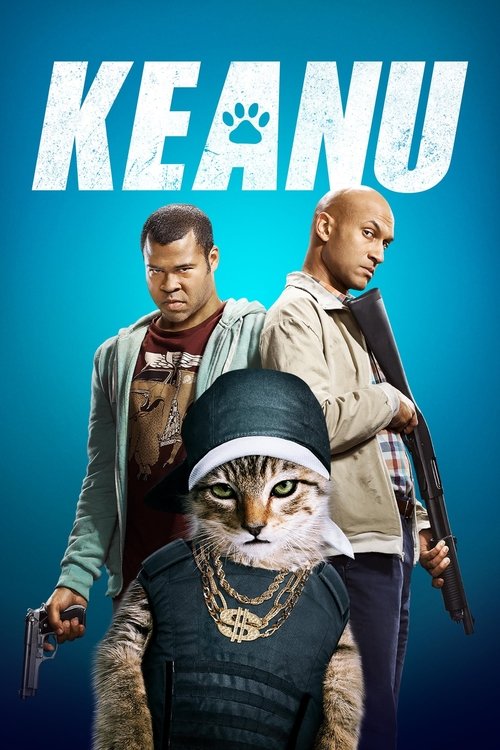
Keanu
Friends hatch a plot to retrieve a stolen cat by posing as drug dealers for a street gang.
Working with a moderate budget of $15.0M, the film achieved a modest success with $20.6M in global revenue (+37% profit margin).
4 wins & 5 nominations


Plot Structure
Story beats plotted across runtime


Narrative Arc
Emotional journey through the story's key moments
Story Circle
Blueprint 15-beat structure
Arcplot Score Breakdown
Weighted: Precision (70%) + Arc (15%) + Theme (15%)
Keanu (2016) demonstrates carefully calibrated narrative design, characteristic of Peter Atencio's storytelling approach. This structural analysis examines how the film's 15-point plot structure maps to proven narrative frameworks across 1 hour and 40 minutes. With an Arcplot score of 7.0, the film balances conventional beats with creative variation.
Characters
Cast & narrative archetypes

Clarence Goobril
Rell Williams
Cheddar
Hi-C
Trunk
Bud
King Diaz
Anna Faris
Main Cast & Characters
Clarence Goobril
Played by Keegan-Michael Key
Mild-mannered cousin who embarks on a dangerous mission to rescue his stolen kitten, discovering his inner strength.
Rell Williams
Played by Jordan Peele
Clarence's heartbroken cousin whose beloved kitten Keanu is stolen, forcing him into the criminal underworld.
Cheddar
Played by Method Man
Ruthless drug dealer and gang leader of the 17th Street Blips who becomes suspicious of the cousins' true identities.
Hi-C
Played by Tiffany Haddish
One of Cheddar's top lieutenants in the Blips gang who develops a bond with the cousins.
Trunk
Played by Darrell Britt-Gibson
A member of the Blips gang who joins the cousins on their drug run.
Bud
Played by Jason Mitchell
A member of the Blips gang who accompanies the group on their mission.
King Diaz
Played by Luis Guzmán
A mysterious drug lord who initially had the kitten before it was stolen by the Blips.
Anna Faris
Played by Anna Faris
Playing herself, a celebrity who has an awkward encounter with the cousins.
Structural Analysis
The Status Quo at 1 minutes (1% through the runtime) establishes Rell is shown as a lonely, recently-dumped photographer living a quiet, mundane life in his apartment, establishing his passive, non-confrontational personality before the disruption.. Notably, this early placement immediately immerses viewers in the story world.
The inciting incident occurs at 12 minutes when Rell's apartment is broken into and Keanu the kitten is stolen, devastating the emotionally fragile Rell who had found purpose and joy in caring for the cat.. At 12% through the film, this Disruption aligns precisely with traditional story structure. This beat shifts the emotional landscape, launching the protagonist into the central conflict.
The First Threshold at 26 minutes marks the transition into Act II, occurring at 26% of the runtime. This reveals the protagonist's commitment to Rell and Clarence actively choose to enter the 17th Street Blips' headquarters, adopting fake gangster personas as the Allentown Brothers to infiltrate the criminal underworld and retrieve Keanu., moving from reaction to action.
At 50 minutes, the Midpoint arrives at 50% of the runtime—precisely centered, creating perfect narrative symmetry. Structural examination shows that this crucial beat The stakes raise when Cheddar demands Rell and Clarence prove themselves by executing a dangerous mission against the Sanchez cartel, making their charade far more deadly and real., fundamentally raising what's at risk. The emotional intensity shifts, dividing the narrative into clear before-and-after phases.
The Collapse moment at 76 minutes (76% through) represents the emotional nadir. Here, Hi-C discovers their true identities and holds them at gunpoint, revealing that their deception has been exposed. Their lives are in immediate danger and all seems lost., illustrates the protagonist at their lowest point. This beat's placement in the final quarter sets up the climactic reversal.
The Second Threshold at 81 minutes initiates the final act resolution at 81% of the runtime. Rell and Clarence embrace their true selves while using the confidence they've gained, realizing they don't need to be fake gangsters—they can be brave as themselves, synthesizing authenticity with newfound courage., demonstrating the transformation achieved throughout the journey.
Emotional Journey
Keanu's emotional architecture traces a deliberate progression across 15 carefully calibrated beats.
Narrative Framework
This structural analysis employs systematic plot point analysis that identifies crucial turning points. By mapping Keanu against these established plot points, we can identify how Peter Atencio utilizes or subverts traditional narrative conventions. The plot point approach reveals not only adherence to structural principles but also creative choices that distinguish Keanu within the action genre.
Comparative Analysis
Additional action films include The Bad Guys, Puss in Boots and Venom: The Last Dance.
Plot Points by Act
Act I
SetupStatus Quo
Rell is shown as a lonely, recently-dumped photographer living a quiet, mundane life in his apartment, establishing his passive, non-confrontational personality before the disruption.
Theme
Clarence's wife Hailey comments on men needing to step up and be strong, hinting at the film's theme about masculinity, identity, and finding courage through pretending to be someone you're not.
Worldbuilding
Introduction to Rell and Clarence's friendship dynamic, their suburban lives, and the contrast between their mild-mannered reality and the violent drug world that opens the film with the kitten escape.
Disruption
Rell's apartment is broken into and Keanu the kitten is stolen, devastating the emotionally fragile Rell who had found purpose and joy in caring for the cat.
Resistance
Clarence reluctantly agrees to help Rell find Keanu. They discover the kitten is with a drug dealer named Cheddar, and Rell debates whether he can actually enter this dangerous world to retrieve his cat.
Act II
ConfrontationFirst Threshold
Rell and Clarence actively choose to enter the 17th Street Blips' headquarters, adopting fake gangster personas as the Allentown Brothers to infiltrate the criminal underworld and retrieve Keanu.
Mirror World
The introduction of the Blips gang members and their culture represents the mirror world—a hyper-masculine criminal society that forces Rell and Clarence to perform toughness they don't possess.
Premise
The fun and games of watching two suburban nerds pretend to be hardened criminals—teaching gangsters about George Michael, going on drug deals, and maintaining their false identities while bonding with the Blips.
Midpoint
The stakes raise when Cheddar demands Rell and Clarence prove themselves by executing a dangerous mission against the Sanchez cartel, making their charade far more deadly and real.
Opposition
The dangerous mission escalates, Clarence's wife discovers his lies, their false identities begin to crack, and the real criminal world closes in as both Hi-C and the cartel become threats.
Collapse
Hi-C discovers their true identities and holds them at gunpoint, revealing that their deception has been exposed. Their lives are in immediate danger and all seems lost.
Crisis
Rell and Clarence face the consequences of their lies, processing that their fake personas have put them and others in mortal danger, and must find genuine courage rather than pretense.
Act III
ResolutionSecond Threshold
Rell and Clarence embrace their true selves while using the confidence they've gained, realizing they don't need to be fake gangsters—they can be brave as themselves, synthesizing authenticity with newfound courage.
Synthesis
The final confrontation where Rell and Clarence rescue Keanu, face off against the real villains, and resolve the conflict using both their genuine selves and the courage they discovered through their masquerade.
Transformation
Rell is shown confident and transformed, having moved past his breakup. Both men have found genuine courage and self-acceptance, no longer needing to pretend to be someone else to feel strong.