
King Kong vs. Godzilla
Original Japanese version. Tako, advertising director of Pacific Pharmaceuticals, is frustrated by the low viewership of their sponsored documentary show. Realizing that he needs a more sensationalist approach, Tako orders two of his men, Sakurai and Furue, on an expedition to Faro Island to investigate a legendary monster called King Kong and exploit it for advertising. Just as the expedition is underway, Godzilla emerges from an iceberg and sets his sights towards Japan. A media frenzy is generated that steals the publicity away from Tako's own monster. As Kong is captured and hauled back to Japan, people begin to wonder which monster is stronger and capable of beating the other. Tako realizes the marketability of King Kong facing off against Godzilla as the two monsters are pitted against each other in the biggest wrestling match of all time.
The film earned $12.6M at the global box office.
Plot Structure
Story beats plotted across runtime


Narrative Arc
Emotional journey through the story's key moments
Story Circle
Blueprint 15-beat structure
Arcplot Score Breakdown
Weighted: Precision (70%) + Arc (15%) + Theme (15%)
King Kong vs. Godzilla (1962) showcases strategically placed dramatic framework, characteristic of Ishirō Honda's storytelling approach. This structural analysis examines how the film's 15-point plot structure maps to proven narrative frameworks across 1 hour and 37 minutes. With an Arcplot score of 7.0, the film balances conventional beats with creative variation.
Characters
Cast & narrative archetypes
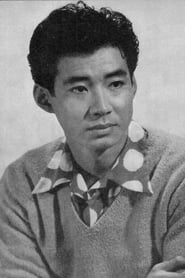
Osamu Sakurai

Fumiko Sakurai

Kazuo Fujita
Mr. Tako
King Kong
Godzilla
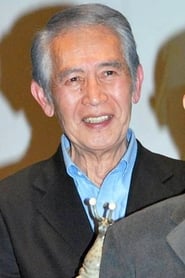
Dr. Shinsuke Fujita
Main Cast & Characters
Osamu Sakurai
Played by Tadao Takashima
A pharmaceutical company executive who leads the expedition to capture King Kong for publicity purposes.
Fumiko Sakurai
Played by Mie Hama
Osamu's sister and love interest of Kazuo, caught between the chaos of the monster battle.
Kazuo Fujita
Played by Yu Fujiki
A submarine officer and Fumiko's boyfriend who becomes involved in the monster conflict.
Mr. Tako
Played by Ichiro Arishima
The ambitious head of Pacific Pharmaceuticals who orchestrates King Kong's capture for corporate marketing.
King Kong
Played by Shoichi Hirose
The giant ape from Faro Island, captured and brought to Japan where he battles Godzilla.
Godzilla
Played by Haruo Nakajima
The prehistoric monster who breaks free from an iceberg and threatens Japan once again.
Dr. Shinsuke Fujita
Played by Kenji Sahara
A scientist and Kazuo's father who provides expertise on the monsters.
Structural Analysis
The Status Quo at 1 minutes (1% through the runtime) establishes Pacific Pharmaceutical executive Mr. Tako complains about boring TV ratings, desperate for something spectacular to boost his company's image. The corporate world craves excitement in a mundane media landscape.. The analysis reveals that this early placement immediately immerses viewers in the story world.
The inciting incident occurs at 12 minutes when Godzilla breaks free from his icy prison, destroying the submarine and announcing his return to terrorize Japan. The dormant threat has reawakened, shattering any hope of peace.. At 12% through the film, this Disruption aligns precisely with traditional story structure. This beat shifts the emotional landscape, launching the protagonist into the central conflict.
The First Threshold at 24 minutes marks the transition into Act II, occurring at 25% of the runtime. This demonstrates the protagonist's commitment to King Kong is drugged with berry juice and transported toward Japan on a raft. The decision to bring Kong to Japan sets an irreversible collision course between the two titans. Humanity has chosen to weaponize one monster against another., moving from reaction to action.
At 49 minutes, the Midpoint arrives at 50% of the runtime—precisely centered, creating perfect narrative symmetry. Notably, this crucial beat Kong and Godzilla have their first battle. Godzilla's atomic breath overwhelms Kong, who retreats in defeat. This false defeat reveals that Kong alone cannot stop Godzilla, and Japan seems doomed between two unstoppable forces., fundamentally raising what's at risk. The emotional intensity shifts, dividing the narrative into clear before-and-after phases.
The Collapse moment at 73 minutes (75% through) represents the emotional nadir. Here, Godzilla reaches Tokyo and devastates the city while Kong holds Fumiko captive atop the Diet Building. All military options exhausted, Japan faces annihilation. The death of hope as humanity stands helpless between two monsters., reveals the protagonist at their lowest point. This beat's placement in the final quarter sets up the climactic reversal.
The Second Threshold at 78 minutes initiates the final act resolution at 80% of the runtime. The desperate plan is enacted: Kong is airlifted by balloons to Mt. Fuji where Godzilla awaits. Humanity chooses to orchestrate a final battle between the titans, accepting that only a monster can defeat a monster., demonstrating the transformation achieved throughout the journey.
Emotional Journey
King Kong vs. Godzilla's emotional architecture traces a deliberate progression across 15 carefully calibrated beats.
Narrative Framework
This structural analysis employs structural analysis methodology used to understand storytelling architecture. By mapping King Kong vs. Godzilla against these established plot points, we can identify how Ishirō Honda utilizes or subverts traditional narrative conventions. The plot point approach reveals not only adherence to structural principles but also creative choices that distinguish King Kong vs. Godzilla within the action genre.
Comparative Analysis
Additional action films include The Bad Guys, Puss in Boots and Venom: The Last Dance.
Plot Points by Act
Act I
SetupStatus Quo
Pacific Pharmaceutical executive Mr. Tako complains about boring TV ratings, desperate for something spectacular to boost his company's image. The corporate world craves excitement in a mundane media landscape.
Theme
A scientist warns that humanity's attempts to control nature for commercial gain will have catastrophic consequences. The theme of man's hubris in exploiting nature for entertainment and profit is established.
Worldbuilding
The world of 1960s Japan is established with its corporate media obsession. Mr. Tako sends Sakurai and Furue to Faro Island to capture the legendary monster worshipped by natives. Meanwhile, a nuclear submarine investigates an iceberg where Godzilla has been frozen.
Disruption
Godzilla breaks free from his icy prison, destroying the submarine and announcing his return to terrorize Japan. The dormant threat has reawakened, shattering any hope of peace.
Resistance
Sakurai and Furue arrive on Faro Island and witness King Kong defeat a giant octopus. They debate how to capture Kong while Godzilla rampages toward Japan. The military and scientists argue about how to stop both monsters.
Act II
ConfrontationFirst Threshold
King Kong is drugged with berry juice and transported toward Japan on a raft. The decision to bring Kong to Japan sets an irreversible collision course between the two titans. Humanity has chosen to weaponize one monster against another.
Mirror World
Fumiko, Sakurai's sister, represents innocent humanity caught between corporate greed and monster destruction. Her subplot with her brother humanizes the stakes beyond spectacle, showing what ordinary people stand to lose.
Premise
The promise of the premise delivers monster mayhem. Kong escapes and rampages through Japan while Godzilla advances from another direction. Military attempts to stop both fail spectacularly. The two monsters approach each other for their inevitable confrontation.
Midpoint
Kong and Godzilla have their first battle. Godzilla's atomic breath overwhelms Kong, who retreats in defeat. This false defeat reveals that Kong alone cannot stop Godzilla, and Japan seems doomed between two unstoppable forces.
Opposition
Godzilla continues his rampage unchecked while Kong recovers. The military's electrical barriers fail against Godzilla but accidentally empower Kong with electrical energy. Fumiko is captured by Kong, echoing the original film's beauty and beast dynamic.
Collapse
Godzilla reaches Tokyo and devastates the city while Kong holds Fumiko captive atop the Diet Building. All military options exhausted, Japan faces annihilation. The death of hope as humanity stands helpless between two monsters.
Crisis
Scientists and military leaders grapple with their impossible situation. The debate rages over whether to try forcing the monsters to fight each other, risking even greater destruction but seeing no alternative.
Act III
ResolutionSecond Threshold
The desperate plan is enacted: Kong is airlifted by balloons to Mt. Fuji where Godzilla awaits. Humanity chooses to orchestrate a final battle between the titans, accepting that only a monster can defeat a monster.
Synthesis
The climactic battle at Mt. Fuji unfolds. Kong and Godzilla clash in an extended fight using boulders, atomic breath, and brute strength. The electricity-charged Kong gains the upper hand. Both monsters tumble into the sea during an earthquake.
Transformation
Kong surfaces alone and swims back toward Faro Island while Godzilla's fate remains uncertain. Japan is saved, but the film ends ambiguously—nature cannot truly be controlled, only temporarily redirected. The cycle may begin again.