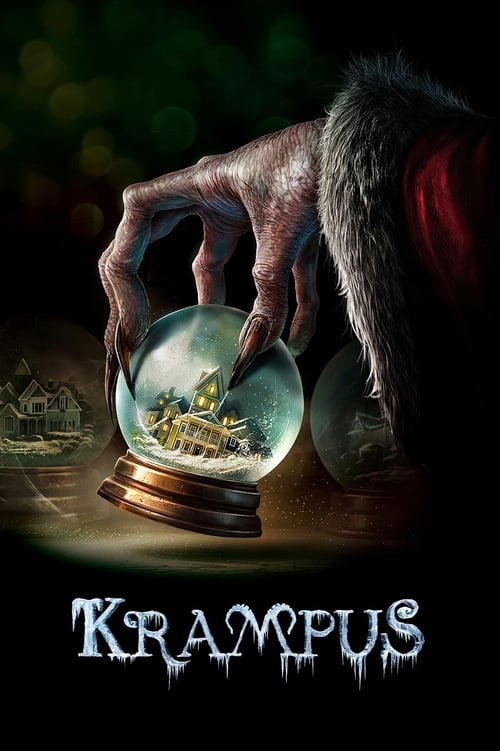
Krampus
When his dysfunctional family clashes over the holidays, young Max is disillusioned and turns his back on Christmas. Little does he know, this lack of festive spirit has unleashed the wrath of Krampus: a demonic force of ancient evil intent on punishing non-believers.
Despite a moderate budget of $15.0M, Krampus became a box office success, earning $61.8M worldwide—a 312% return.
5 wins & 14 nominations


Plot Structure
Story beats plotted across runtime


Narrative Arc
Emotional journey through the story's key moments
Story Circle
Blueprint 15-beat structure
Arcplot Score Breakdown
Weighted: Precision (70%) + Arc (15%) + Theme (15%)
Krampus (2015) reveals precise story structure, characteristic of Michael Dougherty's storytelling approach. This structural analysis examines how the film's 15-point plot structure maps to proven narrative frameworks across 1 hour and 38 minutes. With an Arcplot score of 7.1, the film balances conventional beats with creative variation.
Characters
Cast & narrative archetypes

Max Engel
Tom Engel
Sarah Engel
Omi
Howard
Linda
Beth Engel
Aunt Dorothy
Main Cast & Characters
Max Engel
Played by Emjay Anthony
A young boy whose loss of Christmas spirit summons Krampus and must restore his family's faith to survive.
Tom Engel
Played by Adam Scott
Max's father who tries to keep peace between feuding families while protecting his loved ones from supernatural threats.
Sarah Engel
Played by Toni Collette
Max's mother who struggles to maintain holiday cheer and family unity amid chaos and terror.
Omi
Played by Krista Stadler
Max's German grandmother who knows the true story of Krampus from her own childhood trauma.
Howard
Played by David Koechner
Tom's boorish, gun-loving brother-in-law who dismisses warnings and relies on aggression over wisdom.
Linda
Played by Allison Tolman
Sarah's sister, Howard's wife, a crude and confrontational woman who clashes with her relatives.
Beth Engel
Played by Stefania LaVie Owen
Max's teenage sister who is more concerned with her boyfriend than family traditions.
Aunt Dorothy
Played by Conchata Ferrell
An elderly, sharp-tongued relative who provides cynical commentary on the family dysfunction.
Structural Analysis
The Status Quo at 1 minutes (1% through the runtime) establishes Slow-motion chaos of Black Friday shopping madness sets the tone - commercialism has corrupted Christmas spirit. The Engel family navigates the violence and greed, establishing a world where the holiday's true meaning has been lost.. The analysis reveals that this early placement immediately immerses viewers in the story world.
The inciting incident occurs at 13 minutes when Humiliated by his cousins reading his heartfelt letter to Santa aloud, Max tears up the letter and throws it out the window in anger, renouncing his belief in Christmas. The torn pieces float away into the night sky as an unnatural blizzard begins.. At 13% through the film, this Disruption is delayed, allowing extended setup of the story world. This beat shifts the emotional landscape, launching the protagonist into the central conflict.
The First Threshold at 25 minutes marks the transition into Act II, occurring at 26% of the runtime. This demonstrates the protagonist's commitment to When sister Beth ventures out to check on her boyfriend, she encounters Krampus on a rooftop. The family's first direct confrontation with the supernatural threat marks their irreversible entry into a nightmare. The monster is real, and there's no going back to normalcy., moving from reaction to action.
At 50 minutes, the Midpoint arrives at 51% of the runtime—precisely centered, creating perfect narrative symmetry. Significantly, this crucial beat Omi tells her story in animated flashback: as a child in bombed-out Germany, she lost faith and summoned Krampus, who took her entire family. This false defeat reveals the full horror of what they face - Krampus doesn't just kill, he drags souls to hell. The stakes become eternal., fundamentally raising what's at risk. The emotional intensity shifts, dividing the narrative into clear before-and-after phases.
The Collapse moment at 74 minutes (75% through) represents the emotional nadir. Here, The monstrous "Der Klown" jack-in-the-box swallows Aunt Dorothy whole as the remaining family watches helplessly. Tom, Sarah, and Omi are taken in rapid succession. Max stands alone, the last survivor, surrounded by the hellish pit that has consumed everyone he loves., reveals the protagonist at their lowest point. This beat's placement in the final quarter sets up the climactic reversal.
The Second Threshold at 80 minutes initiates the final act resolution at 82% of the runtime. Max confronts Krampus directly, demanding his family back. Rather than cower, he declares he's sorry for losing faith but begs for another chance - not for himself, but for his family. His selfless courage in the face of damnation shows he's learned the true meaning of Christmas spirit., demonstrating the transformation achieved throughout the journey.
Emotional Journey
Krampus's emotional architecture traces a deliberate progression across 15 carefully calibrated beats.
Narrative Framework
This structural analysis employs a 15-point narrative structure framework that maps key story moments. By mapping Krampus against these established plot points, we can identify how Michael Dougherty utilizes or subverts traditional narrative conventions. The plot point approach reveals not only adherence to structural principles but also creative choices that distinguish Krampus within the horror genre.
Michael Dougherty's Structural Approach
Among the 2 Michael Dougherty films analyzed on Arcplot, the average structural score is 7.1, reflecting strong command of classical structure. Krampus exemplifies the director's characteristic narrative technique. For comparative analysis, explore the complete Michael Dougherty filmography.
Comparative Analysis
Additional horror films include Thinner, A Nightmare on Elm Street and Mary Reilly. For more Michael Dougherty analyses, see Godzilla: King of the Monsters.
Plot Points by Act
Act I
SetupStatus Quo
Slow-motion chaos of Black Friday shopping madness sets the tone - commercialism has corrupted Christmas spirit. The Engel family navigates the violence and greed, establishing a world where the holiday's true meaning has been lost.
Theme
Omi (grandmother) watches Max with knowing concern as family tensions mount, silently embodying the theme that losing faith in Christmas and family has dire consequences. Her presence hints that belief matters more than anyone realizes.
Worldbuilding
The Engel household prepares for Christmas as dysfunctional relatives arrive. Uncle Howard's loud, crude family clashes with Tom and Sarah's more reserved household. Max's letter to Santa is mocked by his cousins, tensions escalate between the adults, and the fractured family dynamics are established.
Disruption
Humiliated by his cousins reading his heartfelt letter to Santa aloud, Max tears up the letter and throws it out the window in anger, renouncing his belief in Christmas. The torn pieces float away into the night sky as an unnatural blizzard begins.
Resistance
A supernatural blizzard traps the family, cutting power and isolating them. Strange occurrences begin - a massive snowman appears, neighborhood homes go dark. The family debates what's happening, dismissing it as a freak storm while Max wrestles with guilt over destroying his letter.
Act II
ConfrontationFirst Threshold
When sister Beth ventures out to check on her boyfriend, she encounters Krampus on a rooftop. The family's first direct confrontation with the supernatural threat marks their irreversible entry into a nightmare. The monster is real, and there's no going back to normalcy.
Mirror World
Omi finally speaks, revealing she knows what's hunting them. She represents the old-world wisdom and faith that the modern family has abandoned. Her knowledge of Krampus from her own childhood experience in post-war Germany becomes the thematic counterpoint to the family's cynicism.
Premise
The horror-comedy premise delivers as Krampus's minions attack - demonic gingerbread men, killer toys, and the monstrous elves terrorize the family. Each set piece showcases the film's dark humor as Christmas iconography becomes nightmarish. The family fights back while slowly losing members.
Midpoint
Omi tells her story in animated flashback: as a child in bombed-out Germany, she lost faith and summoned Krampus, who took her entire family. This false defeat reveals the full horror of what they face - Krampus doesn't just kill, he drags souls to hell. The stakes become eternal.
Opposition
With full knowledge of their doom, the family fights desperately. Howard and his wife are taken. The children are snatched one by one despite the adults' efforts. Each attack whittles down survivors as they retreat further into the house, their defenses crumbling against the relentless supernatural assault.
Collapse
The monstrous "Der Klown" jack-in-the-box swallows Aunt Dorothy whole as the remaining family watches helplessly. Tom, Sarah, and Omi are taken in rapid succession. Max stands alone, the last survivor, surrounded by the hellish pit that has consumed everyone he loves.
Crisis
Max faces Krampus alone in the frozen hellscape that was once his neighborhood. All hope seems lost - his entire family has been dragged to damnation because he lost faith. The weight of his choice crushes him as he confronts the demon who answered his despair.
Act III
ResolutionSecond Threshold
Max confronts Krampus directly, demanding his family back. Rather than cower, he declares he's sorry for losing faith but begs for another chance - not for himself, but for his family. His selfless courage in the face of damnation shows he's learned the true meaning of Christmas spirit.
Synthesis
Max offers himself in exchange for his family, throwing Krampus's cursed bell back at him. He falls into the fiery pit, sacrificing himself. Then awakens on Christmas morning to find his family alive, opening presents, the nightmare seemingly over - until Omi reveals she still has her Krampus bell.
Transformation
The camera pulls back to reveal the Engel house inside a snow globe on Krampus's shelf, among countless others. The family is together and believes again, but they exist under eternal surveillance - a reminder that faith must be maintained forever, or the consequences return.