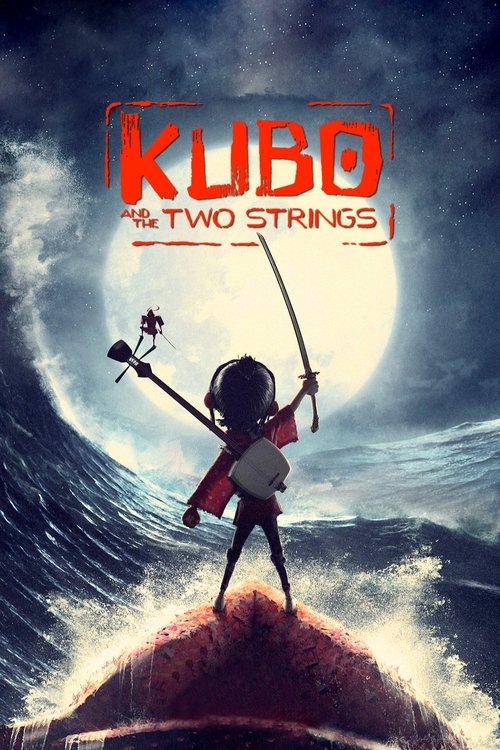
Kubo and the Two Strings
Kubo mesmerizes the people in his village with his magical gift for spinning wild tales with origami. When he accidentally summons an evil spirit seeking vengeance, Kubo is forced to go on a quest to solve the mystery of his fallen samurai father and his mystical weaponry, as well as discover his own magical powers.
Working with a respectable budget of $60.0M, the film achieved a respectable showing with $76.2M in global revenue (+27% profit margin).
Nominated for 2 Oscars. 33 wins & 67 nominations


Plot Structure
Story beats plotted across runtime


Narrative Arc
Emotional journey through the story's key moments
Story Circle
Blueprint 15-beat structure
Arcplot Score Breakdown
Weighted: Precision (70%) + Arc (15%) + Theme (15%)
Kubo and the Two Strings (2016) reveals precise dramatic framework, characteristic of Travis Knight's storytelling approach. This structural analysis examines how the film's 15-point plot structure maps to proven narrative frameworks across 1 hour and 42 minutes. With an Arcplot score of 7.4, the film balances conventional beats with creative variation.
Characters
Cast & narrative archetypes

Kubo
Monkey
Beetle
The Moon King
The Sisters
Sariatu
Hanzo
Main Cast & Characters
Kubo
Played by Art Parkinson
A young storyteller with magical shamisen who must find his father's armor to defeat his grandfather and protect his family.
Monkey
Played by Charlize Theron
A protective guardian carved from wood who guides and protects Kubo, later revealed to be his mother in enchanted form.
Beetle
Played by Matthew McConaughey
A cursed samurai warrior transformed into a beetle-human hybrid who joins Kubo's quest, ultimately revealed to be Kubo's father.
The Moon King
Played by Ralph Fiennes
Kubo's ruthless grandfather who seeks to take Kubo's remaining eye to make him immortal and emotionless like the celestials.
The Sisters
Played by Rooney Mara
The Moon King's twin daughters and Kubo's aunts who relentlessly pursue him to steal his eye and serve their father.
Sariatu
Played by Charlize Theron
Kubo's mother who sacrificed her immortality for love and protects her son through magic before transforming into Monkey.
Hanzo
Played by Matthew McConaughey
Kubo's father, the greatest samurai warrior who was cursed and transformed into Beetle after challenging the Moon King.
Structural Analysis
The Status Quo at 1 minutes (1% through the runtime) establishes Kubo sits alone in his clifftop cave with his catatonic mother, playing his shamisen to bring origami figures to life. He entertains villagers by day to earn money, then returns to care for his mother by night - a lonely existence defined by survival and duty.. Notably, this early placement immediately immerses viewers in the story world.
The inciting incident occurs at 12 minutes when During the Obon festival, Kubo stays out past dark trying to commune with his father's spirit. His two aunts - the Sisters - appear as supernatural beings, attacking him and demanding his other eye for their father, the Moon King. His mother sacrifices herself to save him, transforming into a monkey to help him escape.. At 11% through the film, this Disruption aligns precisely with traditional story structure. This beat shifts the emotional landscape, launching the protagonist into the central conflict.
The First Threshold at 24 minutes marks the transition into Act II, occurring at 24% of the runtime. This shows the protagonist's commitment to Kubo makes the active choice to seek the Sword Unbreakable in the Hall of Bones, accepting his role as the hero of his own story. He commits to the quest to gather the armor and face his grandfather, leaving behind any hope of returning to his old life., moving from reaction to action.
At 50 minutes, the Midpoint arrives at 49% of the runtime—precisely centered, creating perfect narrative symmetry. Significantly, this crucial beat Kubo retrieves the Breastplate Impenetrable from underwater in the Long Lake. It appears to be a false victory - they now have two of three items and are making progress. But the stakes raise as the Sisters attack again, and the group realizes the Moon King is actively hunting them and getting closer., fundamentally raising what's at risk. The emotional intensity shifts, dividing the narrative into clear before-and-after phases.
The Collapse moment at 74 minutes (73% through) represents the emotional nadir. Here, The remaining Sister kills Monkey/Mother during the confrontation. Kubo loses both of his parents in quick succession. He is utterly alone, having failed to protect the family he just discovered. The whiff of death is literal - both parents die, and Kubo's spirit is crushed., demonstrates the protagonist at their lowest point. This beat's placement in the final quarter sets up the climactic reversal.
The Second Threshold at 81 minutes initiates the final act resolution at 79% of the runtime. Kubo gains the critical insight: his power comes not from magical armor but from his parents' love and the stories they gave him. He returns to the village and enlists the townspeople to help him build a giant origami samurai. He synthesizes magic (from his mother) with storytelling (his gift) and bravery (from his father) to face the Moon King on his own terms., demonstrating the transformation achieved throughout the journey.
Emotional Journey
Kubo and the Two Strings's emotional architecture traces a deliberate progression across 15 carefully calibrated beats.
Narrative Framework
This structural analysis employs structural analysis methodology used to understand storytelling architecture. By mapping Kubo and the Two Strings against these established plot points, we can identify how Travis Knight utilizes or subverts traditional narrative conventions. The plot point approach reveals not only adherence to structural principles but also creative choices that distinguish Kubo and the Two Strings within the animation genre.
Comparative Analysis
Additional animation films include The Bad Guys, Puss in Boots and Violet Evergarden: Eternity and the Auto Memory Doll.
Plot Points by Act
Act I
SetupStatus Quo
Kubo sits alone in his clifftop cave with his catatonic mother, playing his shamisen to bring origami figures to life. He entertains villagers by day to earn money, then returns to care for his mother by night - a lonely existence defined by survival and duty.
Theme
Kubo's mother, in a rare moment of lucidity, tells him: "If you must blink, do it now" and warns that his grandfather will steal his other eye. She speaks of stories having power and how "the end of one story is merely the beginning of another." Theme: stories define us, and facing the past is necessary for moving forward.
Worldbuilding
We see Kubo's daily routine: performing origami storytelling in the village, his relationship with his mother, the village's Obon festival to honor the dead, and the mystery of his missing father Hanzo. Establishes Kubo's magical abilities, his father's legendary status, and his mother's warnings about staying out after dark.
Disruption
During the Obon festival, Kubo stays out past dark trying to commune with his father's spirit. His two aunts - the Sisters - appear as supernatural beings, attacking him and demanding his other eye for their father, the Moon King. His mother sacrifices herself to save him, transforming into a monkey to help him escape.
Resistance
Kubo awakens in the snow with Monkey (his mother in transformed state). She explains he must find his father's magical armor - the Sword Unbreakable, Breastplate Impenetrable, and Helmet Invulnerable - to defeat the Moon King. Kubo resists, grieving and uncertain. They meet Beetle, a cursed samurai warrior who claims to have served Hanzo. Kubo debates whether to accept this quest.
Act II
ConfrontationFirst Threshold
Kubo makes the active choice to seek the Sword Unbreakable in the Hall of Bones, accepting his role as the hero of his own story. He commits to the quest to gather the armor and face his grandfather, leaving behind any hope of returning to his old life.
Mirror World
The relationship between Kubo, Monkey, and Beetle deepens as they journey together. Beetle's optimism and warmth contrasts with Monkey's stern protectiveness, creating a makeshift family. This surrogate family unit will teach Kubo what he truly needs: that love and memory are stronger than magic.
Premise
The adventure unfolds: retrieving the Sword Unbreakable from a giant skeleton, escaping from the Sisters, crossing the Long Lake, and searching for the Breastplate Impenetrable. Kubo learns to use his shamisen's power, Monkey and Beetle bicker like parents, and the group bonds. The fun of the quest - magical combat, narrow escapes, and discovery.
Midpoint
Kubo retrieves the Breastplate Impenetrable from underwater in the Long Lake. It appears to be a false victory - they now have two of three items and are making progress. But the stakes raise as the Sisters attack again, and the group realizes the Moon King is actively hunting them and getting closer.
Opposition
The Sisters intensify their pursuit. Monkey reveals she is actually Kubo's mother, transformed by magic. Beetle is revealed to be Hanzo, cursed into beetle form by the Moon King. Just as this joy unfolds, one of the Sisters kills Beetle/Hanzo. The family Kubo found is torn apart. They press on to find the Helmet Invulnerable, but everything is falling apart.
Collapse
The remaining Sister kills Monkey/Mother during the confrontation. Kubo loses both of his parents in quick succession. He is utterly alone, having failed to protect the family he just discovered. The whiff of death is literal - both parents die, and Kubo's spirit is crushed.
Crisis
Kubo, devastated and alone, realizes the Helmet Invulnerable doesn't exist - it was his own helmet he wore as a baby. In his dark night, he understands that his parents gave him everything he needed: not magic armor, but their love, sacrifice, and stories. He grieves but begins to understand what he must do.
Act III
ResolutionSecond Threshold
Kubo gains the critical insight: his power comes not from magical armor but from his parents' love and the stories they gave him. He returns to the village and enlists the townspeople to help him build a giant origami samurai. He synthesizes magic (from his mother) with storytelling (his gift) and bravery (from his father) to face the Moon King on his own terms.
Synthesis
The finale battle: Kubo confronts the Moon King using the origami samurai and his shamisen. When the Moon King takes human form, Kubo defeats him not with violence but with compassion - using a magical strand of hair to make his grandfather human and mortal, removing his memories of godhood. Kubo gives him a new story, surrounded by the village community.
Transformation
Kubo sits in the village at sunset, no longer alone. The villagers - now his family - surround the Moon King, now a gentle old man with no memory of his cruelty. Kubo has transformed from an isolated boy hiding from his past into a confident storyteller who honors his parents' memory while embracing his community. He closes his parents' story and begins his own.