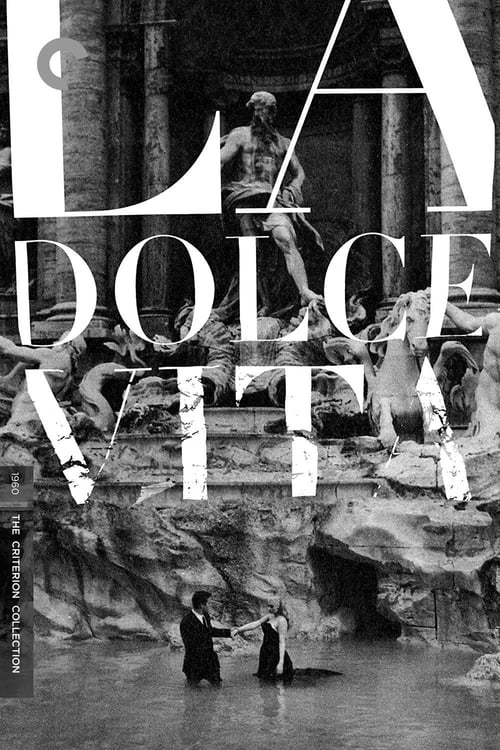
La Dolce Vita
Episodic journey of journalist Marcello who struggles to find his place in the world, torn between the allure of Rome's elite social scene and the stifling domesticity offered by his girlfriend, all the while searching for a way to become a serious writer.
The film earned $19.6M at the global box office.
1 Oscar. 11 wins & 12 nominations
Plot Structure
Story beats plotted across runtime


Narrative Arc
Emotional journey through the story's key moments
Story Circle
Blueprint 15-beat structure
Arcplot Score Breakdown
Weighted: Precision (70%) + Arc (15%) + Theme (15%)
La Dolce Vita (1960) showcases meticulously timed dramatic framework, characteristic of Federico Fellini's storytelling approach. This structural analysis examines how the film's 15-point plot structure maps to proven narrative frameworks across 2 hours and 56 minutes. With an Arcplot score of 6.4, the film takes an unconventional approach to traditional narrative frameworks.
Characters
Cast & narrative archetypes
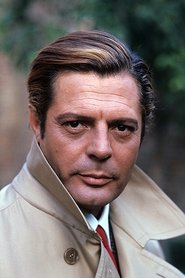
Marcello Rubini

Maddalena
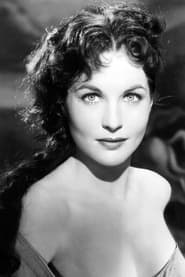
Emma
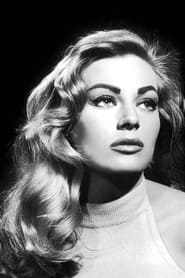
Sylvia

Steiner

Paola

Robert
Main Cast & Characters
Marcello Rubini
Played by Marcello Mastroianni
A gossip journalist navigating Rome's decadent nightlife, searching for meaning and authentic connection while trapped in superficial celebrity culture.
Maddalena
Played by Anouk Aimée
A wealthy, restless heiress who engages in brief encounters with Marcello, representing the emptiness of affluent society.
Emma
Played by Yvonne Furneaux
Marcello's emotionally fragile fiancée who attempts suicide when she feels neglected, representing conventional domesticity and emotional demands.
Sylvia
Played by Anita Ekberg
An American movie star whose exuberant, sensual presence captivates Marcello during her chaotic visit to Rome.
Steiner
Played by Alain Cuny
An intellectual friend who appears to have achieved the meaningful life Marcello desires, but ultimately reveals the illusion of this ideal.
Paola
Played by Valeria Ciangottini
An innocent young waitress from Umbria who represents purity and simplicity, appearing at the beginning and end of Marcello's journey.
Robert
Played by Lex Barker
Sylvia's volatile American actor fiancé who engages in drunken outbursts and represents Hollywood excess.
Structural Analysis
The Status Quo at 2 minutes (1% through the runtime) establishes A helicopter carries a statue of Christ over modern Rome toward the Vatican, while Marcello follows in a second helicopter, chasing the spectacle. This iconic image establishes the collision of sacred and profane, spirituality reduced to media commodity.. Significantly, this early placement immediately immerses viewers in the story world.
The inciting incident occurs at 21 minutes when American movie star Sylvia arrives in Rome, descending from the airplane like a goddess. Her arrival disrupts Marcello's routine and represents the allure of celebrity and spectacle that will increasingly consume him throughout the film.. At 12% through the film, this Disruption aligns precisely with traditional story structure. This beat shifts the emotional landscape, launching the protagonist into the central conflict.
The First Threshold at 44 minutes marks the transition into Act II, occurring at 25% of the runtime. This demonstrates the protagonist's commitment to Marcello follows Sylvia into the Trevi Fountain at dawn in the film's most iconic scene. By stepping into the fountain with her, he actively chooses to pursue the fantasy of "la dolce vita" - wading into illusion over reality., moving from reaction to action.
At 88 minutes, the Midpoint arrives at 50% of the runtime—precisely centered, creating perfect narrative symmetry. Of particular interest, this crucial beat At the aristocratic castle party, Marcello pursues noblewoman Maddalena through empty rooms while she whispers seductions through a wall - intimacy reduced to echo and game. He realizes these encounters are hollow, yet continues pursuing them. A false defeat: he sees the emptiness but cannot escape it., fundamentally raising what's at risk. The emotional intensity shifts, dividing the narrative into clear before-and-after phases.
The Collapse moment at 132 minutes (75% through) represents the emotional nadir. Here, Steiner, the intellectual ideal Marcello admired, has killed his two children and himself. The "whiff of death" becomes literal tragedy. If even Steiner - who seemed to have found meaning - succumbed to despair, what hope is there? Marcello's last vision of an alternative life dies., indicates the protagonist at their lowest point. This beat's placement in the final quarter sets up the climactic reversal.
The Second Threshold at 140 minutes initiates the final act resolution at 80% of the runtime. Rather than changing course after Steiner's death, Marcello plunges deeper into decadence. He abandons any pretense of artistic aspiration, fully surrendering to the hollow lifestyle. This is a negative threshold - a choice to embrace corruption rather than redemption., demonstrating the transformation achieved throughout the journey.
Emotional Journey
La Dolce Vita's emotional architecture traces a deliberate progression across 15 carefully calibrated beats.
Narrative Framework
This structural analysis employs structural analysis methodology used to understand storytelling architecture. By mapping La Dolce Vita against these established plot points, we can identify how Federico Fellini utilizes or subverts traditional narrative conventions. The plot point approach reveals not only adherence to structural principles but also creative choices that distinguish La Dolce Vita within the comedy genre.
Comparative Analysis
Additional comedy films include The Bad Guys, Ella Enchanted and The Evening Star.
Plot Points by Act
Act I
SetupStatus Quo
A helicopter carries a statue of Christ over modern Rome toward the Vatican, while Marcello follows in a second helicopter, chasing the spectacle. This iconic image establishes the collision of sacred and profane, spirituality reduced to media commodity.
Theme
At the nightclub, Maddalena tells Marcello, "I'm bored with everything" - expressing the ennui at the heart of their pleasure-seeking lifestyle. This casual admission of spiritual emptiness captures what the film explores: the void beneath the glamour.
Worldbuilding
Marcello's world is established: his work as a tabloid journalist on Via Veneto, his complicated relationship with Emma who desperately loves him, his attraction to wealthy heiress Maddalena, and his restless pursuit of sensation over substance.
Disruption
American movie star Sylvia arrives in Rome, descending from the airplane like a goddess. Her arrival disrupts Marcello's routine and represents the allure of celebrity and spectacle that will increasingly consume him throughout the film.
Resistance
Marcello covers Sylvia's press conference and follows her through Rome's nightlife. He debates between his artistic aspirations and tabloid work, between Emma's devotion and Sylvia's glamour, between substance and spectacle.
Act II
ConfrontationFirst Threshold
Marcello follows Sylvia into the Trevi Fountain at dawn in the film's most iconic scene. By stepping into the fountain with her, he actively chooses to pursue the fantasy of "la dolce vita" - wading into illusion over reality.
Mirror World
Marcello visits Steiner's intellectual salon, where art, philosophy, and genuine human connection flourish. Steiner represents the alternative path - the life of the mind Marcello claims to want. "We must learn to love each other so much," Steiner says, offering a vision of authentic existence.
Premise
Marcello indulges in the sweet life: the false miracle sequence where children claim to see the Madonna, exposing media-manufactured faith; his father's visit revealing generational emptiness; aristocratic parties where boredom masquerades as sophistication.
Midpoint
At the aristocratic castle party, Marcello pursues noblewoman Maddalena through empty rooms while she whispers seductions through a wall - intimacy reduced to echo and game. He realizes these encounters are hollow, yet continues pursuing them. A false defeat: he sees the emptiness but cannot escape it.
Opposition
Marcello's relationships deteriorate. Emma's suicide attempt exposes his inability to commit. He grows more cynical, more detached. His attempts at serious writing fail. The lifestyle he chose is consuming him, and he cannot find an exit.
Collapse
Steiner, the intellectual ideal Marcello admired, has killed his two children and himself. The "whiff of death" becomes literal tragedy. If even Steiner - who seemed to have found meaning - succumbed to despair, what hope is there? Marcello's last vision of an alternative life dies.
Crisis
Marcello photographs Steiner's grieving widow for the tabloids - becoming the very parasite he once disdained. He has crossed a moral line, exploiting tragedy for spectacle. His dark night reveals complete spiritual bankruptcy.
Act III
ResolutionSecond Threshold
Rather than changing course after Steiner's death, Marcello plunges deeper into decadence. He abandons any pretense of artistic aspiration, fully surrendering to the hollow lifestyle. This is a negative threshold - a choice to embrace corruption rather than redemption.
Synthesis
The final orgy sequence at a seaside villa. Marcello, now middle-aged and dissolute, presides over a grotesque party. A woman performs a striptease, guests engage in meaningless provocations. Dawn arrives on complete moral exhaustion.
Transformation
On the beach at dawn, the partygoers find a monstrous dead sea creature - nature reflecting their spiritual decay. Across an inlet, Paola, the innocent young girl Marcello once met, waves and calls to him. He cannot hear her over the waves and wind. He shrugs and turns away, returning to emptiness. Innocence and meaning remain forever out of reach.