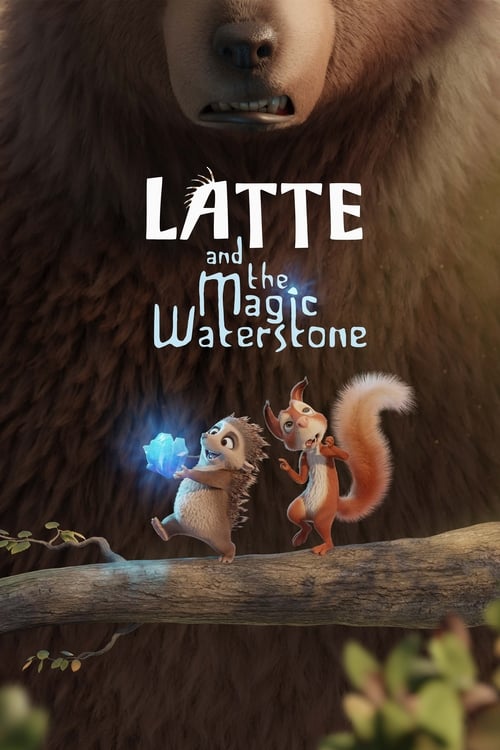
Latte and the Magic Waterstone
When a greedy bear steals a magic stone to keep the forest’s water for himself, a brave hedgehog and a timid squirrel must work together to retrieve it.
The film earned $5.0M at the global box office.


Plot Structure
Story beats plotted across runtime


Narrative Arc
Emotional journey through the story's key moments
Story Circle
Blueprint 15-beat structure
Arcplot Score Breakdown
Weighted: Precision (70%) + Arc (15%) + Theme (15%)
Latte and the Magic Waterstone (2019) showcases carefully calibrated plot construction, characteristic of Andrea Deppert's storytelling approach. This structural analysis examines how the film's 15-point plot structure maps to proven narrative frameworks across 1 hour and 29 minutes. With an Arcplot score of 7.1, the film balances conventional beats with creative variation.
Characters
Cast & narrative archetypes

Latte
Amaroo
Bantur
Ade
Tjum
Main Cast & Characters
Latte
Played by Luisa Wietzorek
A brave and determined hedgehog who sets out on a quest to retrieve the magical waterstone and save the forest from drought.
Amaroo
Played by Henning Baum
A friendly and loyal squirrel who becomes Latte's traveling companion and helps her on the journey.
Bantur
Played by Timur Bartels
The evil bear king who steals the magical waterstone, threatening the forest with eternal drought.
Ade
Played by Michael Deffert
Latte's overprotective father who initially tries to stop her from going on the dangerous quest.
Tjum
Played by Hans Bayer
A wise and mysterious raven who serves as a guide and provides crucial advice to Latte.
Structural Analysis
The Status Quo at 1 minutes (1% through the runtime) establishes Latte the hedgehog lives peacefully in the forest with her uncle, showing her timid nature and desire to prove herself despite being dismissed as too young and inexperienced.. Significantly, this early placement immediately immerses viewers in the story world.
The inciting incident occurs at 10 minutes when The tyrannical bear king Bantur steals the magic waterstone, causing the forest's water supply to dry up and threatening all the animals with drought and death.. At 11% through the film, this Disruption aligns precisely with traditional story structure. This beat shifts the emotional landscape, launching the protagonist into the central conflict.
The First Threshold at 22 minutes marks the transition into Act II, occurring at 25% of the runtime. This indicates the protagonist's commitment to Latte and Tjum actively choose to leave the forest and begin their journey to Bantur's mountain stronghold, crossing into unknown and dangerous territory., moving from reaction to action.
At 45 minutes, the Midpoint arrives at 51% of the runtime—precisely centered, creating perfect narrative symmetry. Significantly, this crucial beat Latte and Tjum reach Bantur's stronghold but realize the full extent of the danger. They are discovered and nearly captured, raising the stakes and ending the "fun" phase of the adventure. False defeat., fundamentally raising what's at risk. The emotional intensity shifts, dividing the narrative into clear before-and-after phases.
The Collapse moment at 66 minutes (74% through) represents the emotional nadir. Here, Latte is captured by Bantur and faces seeming death. Tjum is separated from her, and all hope appears lost. The mission has failed and Latte confronts her deepest fear of inadequacy., indicates the protagonist at their lowest point. This beat's placement in the final quarter sets up the climactic reversal.
The Second Threshold at 71 minutes initiates the final act resolution at 80% of the runtime. Latte realizes that courage comes from within and her worth isn't determined by others' opinions. She synthesizes her friendship lessons with her own inherent bravery, ready for the final confrontation., demonstrating the transformation achieved throughout the journey.
Emotional Journey
Latte and the Magic Waterstone's emotional architecture traces a deliberate progression across 15 carefully calibrated beats.
Narrative Framework
This structural analysis employs a 15-point narrative structure framework that maps key story moments. By mapping Latte and the Magic Waterstone against these established plot points, we can identify how Andrea Deppert utilizes or subverts traditional narrative conventions. The plot point approach reveals not only adherence to structural principles but also creative choices that distinguish Latte and the Magic Waterstone within the animation genre.
Comparative Analysis
Additional animation films include The Bad Guys, Puss in Boots and Violet Evergarden: Eternity and the Auto Memory Doll.
Plot Points by Act
Act I
SetupStatus Quo
Latte the hedgehog lives peacefully in the forest with her uncle, showing her timid nature and desire to prove herself despite being dismissed as too young and inexperienced.
Theme
A character mentions that courage isn't about being the biggest or strongest, but about standing up when it matters - the film's central thematic statement about bravery and self-worth.
Worldbuilding
Introduction to the forest community, the magical waterstone that provides water to all creatures, and the power dynamics between species. Establishes Latte as overlooked and underestimated.
Disruption
The tyrannical bear king Bantur steals the magic waterstone, causing the forest's water supply to dry up and threatening all the animals with drought and death.
Resistance
The forest animals debate what to do. Latte volunteers to retrieve the waterstone but is dismissed. She meets Tjum, a squirrel, and they reluctantly decide to embark on the quest together despite doubts.
Act II
ConfrontationFirst Threshold
Latte and Tjum actively choose to leave the forest and begin their journey to Bantur's mountain stronghold, crossing into unknown and dangerous territory.
Mirror World
Latte and Tjum's partnership deepens as they learn to work together, with Tjum representing the thematic counterpoint - his initial cowardice mirrors Latte's insecurity, and their friendship becomes the emotional core.
Premise
The adventure unfolds with various obstacles and encounters. Latte and Tjum face dangers, meet other creatures, and gradually build confidence through small victories while journeying toward the bear king's lair.
Midpoint
Latte and Tjum reach Bantur's stronghold but realize the full extent of the danger. They are discovered and nearly captured, raising the stakes and ending the "fun" phase of the adventure. False defeat.
Opposition
Bantur's forces close in. Latte's self-doubt resurfaces as obstacles intensify. The friends face separation, betrayals, and increasing danger. The waterstone seems impossible to retrieve.
Collapse
Latte is captured by Bantur and faces seeming death. Tjum is separated from her, and all hope appears lost. The mission has failed and Latte confronts her deepest fear of inadequacy.
Crisis
Latte experiences her dark night, believing she was foolish to think she could succeed. She must process her apparent failure and find inner strength without external validation.
Act III
ResolutionSecond Threshold
Latte realizes that courage comes from within and her worth isn't determined by others' opinions. She synthesizes her friendship lessons with her own inherent bravery, ready for the final confrontation.
Synthesis
Latte and Tjum reunite and execute their plan to outsmart Bantur. Using cleverness rather than strength, they retrieve the waterstone and escape, with Latte embracing her true heroic nature.
Transformation
Latte returns to the forest as a hero, now confident and respected. The image mirrors the opening but shows her transformation - no longer the timid, overlooked hedgehog but a self-assured leader who proved courage comes in all sizes.