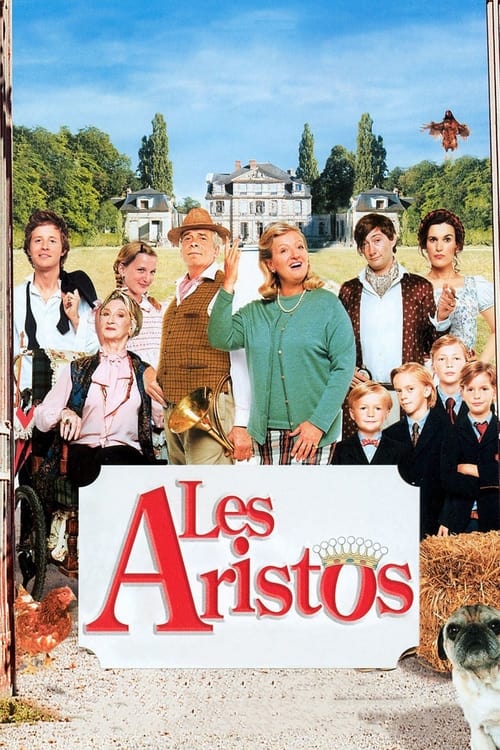
Les Aristos
The Arbac de Neuvilles are one of the oldest families in France. They have inhabited their ancient château for fifty-two generations and are proud of their noble ancestry. But today they are stone broke. When a bailiff turns up notifying them that they owe two million euros in back taxes, these proud aristocrats are understandably shaken to the core of their ancestral seat. Just how are they to find this amount of money when none of them has any capacity for work?
The film underperformed commercially against its modest budget of $10.1M, earning $6.1M globally (-40% loss). While initial box office returns were modest, the film has gained appreciation for its unique voice within the comedy genre.
Plot Structure
Story beats plotted across runtime


Narrative Arc
Emotional journey through the story's key moments
Story Circle
Blueprint 15-beat structure
Arcplot Score Breakdown
Weighted: Precision (70%) + Arc (15%) + Theme (15%)
Les Aristos (2006) exhibits precise plot construction, characteristic of Charlotte de Turckheim's storytelling approach. This structural analysis examines how the film's 15-point plot structure maps to proven narrative frameworks across 1 hour and 19 minutes. With an Arcplot score of 7.3, the film balances conventional beats with creative variation.
Characters
Cast & narrative archetypes

Jane
Gonzague
Solange
Charles-Edouard
Agathe
Main Cast & Characters
Jane
Played by Charlotte de Turckheim
An aristocratic woman facing financial ruin who must adapt to modern life and work
Gonzague
Played by Jacques Weber
Jane's husband, an aristocrat struggling with the loss of privileged lifestyle
Solange
Played by Jacqueline Jehanneuf
Jane's mother-in-law, traditionalist matriarch resistant to change
Charles-Edouard
Played by Théo Frilet
The family's son navigating between old aristocratic values and modern reality
Agathe
Played by Marine Delterme
The family's daughter embracing change and new opportunities
Structural Analysis
The Status Quo at 1 minutes (1% through the runtime) establishes The aristocratic family is introduced living in their decaying château, maintaining pretenses of grandeur despite financial ruin. They cling to outdated traditions and refuse to acknowledge their declining status.. The analysis reveals that this early placement immediately immerses viewers in the story world.
The inciting incident occurs at 10 minutes when A financial crisis forces the family to confront reality - they must either sell the château or find a way to generate income. Their privileged bubble is definitively popped by legal or financial ultimatum.. At 12% through the film, this Disruption aligns precisely with traditional story structure. This beat shifts the emotional landscape, launching the protagonist into the central conflict.
The First Threshold at 20 minutes marks the transition into Act II, occurring at 25% of the runtime. This illustrates the protagonist's commitment to The family makes the active choice to open their château to tourists, become hosts, or engage in some enterprise that requires them to interact with common people - crossing into a world where their titles mean nothing., moving from reaction to action.
At 40 minutes, the Midpoint arrives at 50% of the runtime—precisely centered, creating perfect narrative symmetry. Structural examination shows that this crucial beat False victory: the family's scheme appears to be working, they're making money or winning people over. A celebration or moment of success where they believe they can have both their pride and their survival. Stakes are raised., fundamentally raising what's at risk. The emotional intensity shifts, dividing the narrative into clear before-and-after phases.
The Collapse moment at 59 minutes (75% through) represents the emotional nadir. Here, Complete failure of their plan - they lose the château, their new friends abandon them due to snobbish behavior, or a key relationship is destroyed. The protagonist faces losing everything, including their last shred of dignity. A metaphorical death of their old identity., shows the protagonist at their lowest point. This beat's placement in the final quarter sets up the climactic reversal.
The Second Threshold at 63 minutes initiates the final act resolution at 80% of the runtime. Realization that true nobility comes from character, not bloodline. The protagonist synthesizes their heritage (the good parts) with their newfound humility and authentic relationships. They now know what they must do to make things right., demonstrating the transformation achieved throughout the journey.
Emotional Journey
Les Aristos's emotional architecture traces a deliberate progression across 15 carefully calibrated beats.
Narrative Framework
This structural analysis employs systematic plot point analysis that identifies crucial turning points. By mapping Les Aristos against these established plot points, we can identify how Charlotte de Turckheim utilizes or subverts traditional narrative conventions. The plot point approach reveals not only adherence to structural principles but also creative choices that distinguish Les Aristos within the comedy genre.
Comparative Analysis
Additional comedy films include The Bad Guys, Ella Enchanted and The Evening Star.
Plot Points by Act
Act I
SetupStatus Quo
The aristocratic family is introduced living in their decaying château, maintaining pretenses of grandeur despite financial ruin. They cling to outdated traditions and refuse to acknowledge their declining status.
Theme
A character observes that "true nobility isn't about titles, it's about character" - establishing the central theme about the difference between inherited status and genuine worth.
Worldbuilding
Introduction to the aristocratic family members, their quirks, their crumbling estate, and their desperate financial situation. We see their snobbish attitudes and ridiculous attempts to maintain appearances while creditors circle.
Disruption
A financial crisis forces the family to confront reality - they must either sell the château or find a way to generate income. Their privileged bubble is definitively popped by legal or financial ultimatum.
Resistance
The family debates various schemes to save their estate. Resistance to change, arguments about dignity versus survival, and initial failed attempts to adapt. Some family members suggest radical solutions while others resist leaving their comfort zone.
Act II
ConfrontationFirst Threshold
The family makes the active choice to open their château to tourists, become hosts, or engage in some enterprise that requires them to interact with common people - crossing into a world where their titles mean nothing.
Mirror World
Introduction of working-class characters or a romantic interest from outside aristocratic circles who embody the values the protagonist needs to learn - authenticity, hard work, genuine human connection over pretense.
Premise
Comic fish-out-of-water scenarios as the aristocrats attempt to function in the real world. Culture clashes, humorous misunderstandings, and gradual warming between social classes. The "fun" promised by the premise of snobs meeting reality.
Midpoint
False victory: the family's scheme appears to be working, they're making money or winning people over. A celebration or moment of success where they believe they can have both their pride and their survival. Stakes are raised.
Opposition
Complications arise from the family's continued snobbery or inability to fully change. Old habits resurface, they offend their new allies, or external forces threaten their progress. Internal family conflicts intensify as some members resist transformation.
Collapse
Complete failure of their plan - they lose the château, their new friends abandon them due to snobbish behavior, or a key relationship is destroyed. The protagonist faces losing everything, including their last shred of dignity. A metaphorical death of their old identity.
Crisis
The family confronts who they've become and what truly matters. Reflection on whether their titles and traditions were worth losing genuine human connections. The dark night where they question their values and identity.
Act III
ResolutionSecond Threshold
Realization that true nobility comes from character, not bloodline. The protagonist synthesizes their heritage (the good parts) with their newfound humility and authentic relationships. They now know what they must do to make things right.
Synthesis
The family takes action with their new understanding - making amends, demonstrating genuine change, and fighting for what matters using both their aristocratic resources and their newfound authentic values. Resolution of romantic and family conflicts.
Transformation
Final image mirrors the opening but shows transformation: the family in their château or elsewhere, no longer obsessed with appearances, genuinely connected to community and each other. They've retained their identity but shed their arrogance.