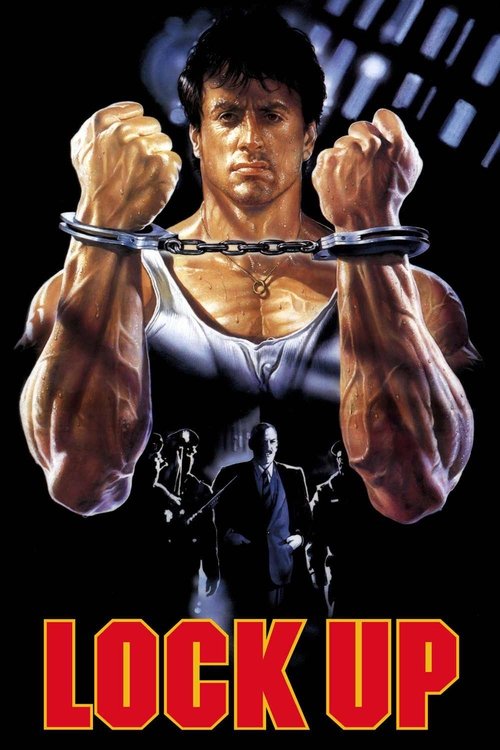
Lock Up
Frank Leone is nearing the end of his prison term for a relatively minor crime. Just before he is paroled, however, Warden Drumgoole takes charge. Drumgoole was assigned to a hell-hole prison after his administration was publicly humiliated by Leone, and has now arrived on the scene to ensure that Leone never sees the light of day.
The film disappointed at the box office against its respectable budget of $24.0M, earning $22.1M globally (-8% loss).


Plot Structure
Story beats plotted across runtime


Narrative Arc
Emotional journey through the story's key moments
Story Circle
Blueprint 15-beat structure
Arcplot Score Breakdown
Weighted: Precision (70%) + Arc (15%) + Theme (15%)
Lock Up (1989) showcases strategically placed dramatic framework, characteristic of John Flynn's storytelling approach. This structural analysis examines how the film's 15-point plot structure maps to proven narrative frameworks across 1 hour and 55 minutes. With an Arcplot score of 7.4, the film balances conventional beats with creative variation.
Characters
Cast & narrative archetypes

Frank Leone
Warden Drumgoole
Melissa Leone
Eclipse
First Base
Chink Weber
Braden
Meissner
Main Cast & Characters
Frank Leone
Played by Sylvester Stallone
A model prisoner with only six months left on his sentence, transferred to a maximum-security hellhole run by a vindictive warden who wants to break him.
Warden Drumgoole
Played by Donald Sutherland
A sadistic, obsessive prison warden who orchestrates Leone's transfer to exact personal revenge and psychologically destroy him.
Melissa Leone
Played by Darlanne Fluegel
Frank's loving girlfriend who waits for his release and provides emotional support during his ordeal.
Eclipse
Played by Tom Sizemore
A massive, intimidating inmate who becomes Frank's loyal friend and ally inside the brutal prison.
First Base
Played by Frank McRae
An older, wise inmate and skilled mechanic who befriends Frank and helps him navigate prison life.
Chink Weber
Played by Sonny Landham
A dangerous, violent inmate and enforcer used by Drumgoole to terrorize and attack Frank.
Braden
Played by John Amos
Drumgoole's brutal head guard who carries out the warden's sadistic orders with enthusiasm.
Meissner
Played by Frank Pesce
A calculating, cold-blooded captain under Drumgoole who orchestrates much of the abuse against Frank.
Structural Analysis
The Status Quo at 1 minutes (1% through the runtime) establishes Frank Leone working peacefully in a minimum-security prison garage, just months away from release. He has adapted to prison life with dignity and is looking forward to freedom and reuniting with his girlfriend Melissa.. Notably, this early placement immediately immerses viewers in the story world.
The inciting incident occurs at 13 minutes when Frank is suddenly transferred in the middle of the night to Gateway maximum-security prison, run by Warden Drumgoole. His peaceful existence is shattered without explanation, torn away from freedom just months before release.. At 11% through the film, this Disruption aligns precisely with traditional story structure. This beat shifts the emotional landscape, launching the protagonist into the central conflict.
The First Threshold at 28 minutes marks the transition into Act II, occurring at 25% of the runtime. This illustrates the protagonist's commitment to Frank makes the choice to endure Drumgoole's psychological torture without breaking or retaliating, committing to survive the warden's games with his dignity intact. He enters the "new world" of playing Drumgoole's twisted game., moving from reaction to action.
At 58 minutes, the Midpoint arrives at 50% of the runtime—precisely centered, creating perfect narrative symmetry. Notably, this crucial beat False defeat: Drumgoole destroys Frank's Mustang project (the car he's been lovingly restoring) or engineers a major setback that breaks Frank's spirit temporarily. The stakes raise as Drumgoole escalates beyond psychological to threatening Frank's friends and Melissa. The game changes., fundamentally raising what's at risk. The emotional intensity shifts, dividing the narrative into clear before-and-after phases.
The Collapse moment at 85 minutes (74% through) represents the emotional nadir. Here, All Is Lost: First Base is killed in a setup orchestrated by Drumgoole, or Frank is pushed into a situation where he nearly breaks and does something that would extend his sentence. The "whiff of death" as Frank loses a friend and his hope of getting out intact., shows the protagonist at their lowest point. This beat's placement in the final quarter sets up the climactic reversal.
The Second Threshold at 91 minutes initiates the final act resolution at 79% of the runtime. Synthesis/revelation: Frank realizes he can expose Drumgoole by gathering evidence or forcing the warden to reveal his corruption publicly. New information or support from Melissa/lawyer gives him the tool to fight back within the system rather than through violence., demonstrating the transformation achieved throughout the journey.
Emotional Journey
Lock Up's emotional architecture traces a deliberate progression across 15 carefully calibrated beats.
Narrative Framework
This structural analysis employs systematic plot point analysis that identifies crucial turning points. By mapping Lock Up against these established plot points, we can identify how John Flynn utilizes or subverts traditional narrative conventions. The plot point approach reveals not only adherence to structural principles but also creative choices that distinguish Lock Up within the action genre.
John Flynn's Structural Approach
Among the 2 John Flynn films analyzed on Arcplot, the average structural score is 7.3, reflecting strong command of classical structure. Lock Up represents one of the director's most structurally precise works. For comparative analysis, explore the complete John Flynn filmography.
Comparative Analysis
Additional action films include The Bad Guys, Puss in Boots and Venom: The Last Dance. For more John Flynn analyses, see Out for Justice.
Plot Points by Act
Act I
SetupStatus Quo
Frank Leone working peacefully in a minimum-security prison garage, just months away from release. He has adapted to prison life with dignity and is looking forward to freedom and reuniting with his girlfriend Melissa.
Theme
Fellow inmate or conversation establishes the theme: maintaining one's humanity and principles when the system tries to break you. The idea that a man can't be truly locked up if he keeps his spirit free.
Worldbuilding
Setup of Frank's life in minimum security: his work on the car, relationships with other inmates, his dreams of freedom, and glimpses of his relationship with Melissa through visits and letters. Establishes his six months remaining on sentence.
Disruption
Frank is suddenly transferred in the middle of the night to Gateway maximum-security prison, run by Warden Drumgoole. His peaceful existence is shattered without explanation, torn away from freedom just months before release.
Resistance
Frank arrives at Gateway and learns the brutal reality: Drumgoole orchestrated the transfer for revenge over a past incident. Frank debates whether to resist or keep his head down. Introduction of Eclipse, First Base, and other inmates who will become allies. Melissa and Frank's lawyer debate how to fight this.
Act II
ConfrontationFirst Threshold
Frank makes the choice to endure Drumgoole's psychological torture without breaking or retaliating, committing to survive the warden's games with his dignity intact. He enters the "new world" of playing Drumgoole's twisted game.
Mirror World
Frank bonds with fellow inmates Eclipse and First Base, who represent different approaches to survival. Their friendship and loyalty mirrors the theme - maintaining humanity through connection even in dehumanizing circumstances.
Premise
The "promise of the premise" - Frank navigating Drumgoole's escalating psychological warfare. Work on the prison car project, building relationships with inmates, resisting provocations, visits from Melissa, and various humiliations designed to make Frank snap. Frank shows resilience and ingenuity.
Midpoint
False defeat: Drumgoole destroys Frank's Mustang project (the car he's been lovingly restoring) or engineers a major setback that breaks Frank's spirit temporarily. The stakes raise as Drumgoole escalates beyond psychological to threatening Frank's friends and Melissa. The game changes.
Opposition
Drumgoole intensifies attacks: manipulating situations to isolate Frank, turning inmates against him, threatening his release date, and endangering his friends. Frank's control begins slipping as the pressure mounts. His relationships strain under the weight.
Collapse
All Is Lost: First Base is killed in a setup orchestrated by Drumgoole, or Frank is pushed into a situation where he nearly breaks and does something that would extend his sentence. The "whiff of death" as Frank loses a friend and his hope of getting out intact.
Crisis
Frank's dark night - processing the death and devastation, facing the possibility that Drumgoole will win, that he'll either break or die in prison. He must decide whether to give up his principles or find another way.
Act III
ResolutionSecond Threshold
Synthesis/revelation: Frank realizes he can expose Drumgoole by gathering evidence or forcing the warden to reveal his corruption publicly. New information or support from Melissa/lawyer gives him the tool to fight back within the system rather than through violence.
Synthesis
The finale: Frank executes his plan, likely involving a climactic confrontation during a prison riot or incident where Drumgoole's true nature is exposed. Frank fights back legally/morally rather than physically, proving his integrity. Drumgoole is defeated/exposed. Frank earns his freedom legitimately.
Transformation
Final image: Frank walks out of prison a free man, reunited with Melissa. Unlike the opening where he was passively serving time, he now leaves having actively fought for justice and maintained his humanity. He is truly free - both legally and spiritually.