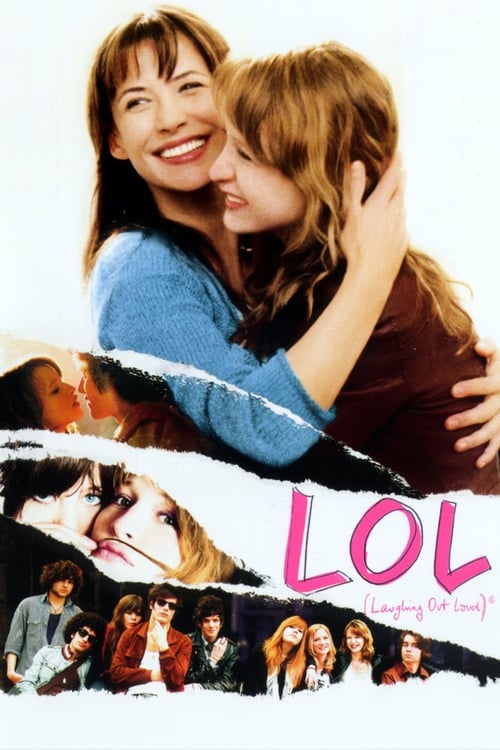
LOL (Laughing Out Loud)
Lola is a striking teenaged girl who is on the cusp of adulthood and longs to rush into the adult world of independence, freedom and sexual exploits, but is tenaciously held back by her mother.
Despite its limited budget of $10.9M, LOL (Laughing Out Loud) became a box office success, earning $31.5M worldwide—a 189% return.


Plot Structure
Story beats plotted across runtime


Narrative Arc
Emotional journey through the story's key moments
Story Circle
Blueprint 15-beat structure
Arcplot Score Breakdown
Weighted: Precision (70%) + Arc (15%) + Theme (15%)
LOL (Laughing Out Loud) (2009) exemplifies deliberately positioned plot construction, characteristic of Lisa Azuelos's storytelling approach. This structural analysis examines how the film's 15-point plot structure maps to proven narrative frameworks across 1 hour and 43 minutes. With an Arcplot score of 7.9, the film showcases strong structural fundamentals.
Characters
Cast & narrative archetypes

Lola
Anne
Arthur
Maël
Charlotte
Stéphane
Emma
Main Cast & Characters
Lola
Played by Sophie Marceau
A teenage girl navigating high school, friendships, first love, and family drama while discovering her identity.
Anne
Played by Christa Theret
Lola's mother, a divorced novelist struggling to balance her career, dating life, and relationship with her teenage daughter.
Arthur
Played by Félix Moati
Lola's boyfriend who cheated on her, triggering the central romantic conflict of the story.
Maël
Played by Alexandre Astier
Lola's close friend and secret admirer who becomes her new love interest.
Charlotte
Played by Jocelyn Quivrin
Lola's best friend, dealing with her own romantic and family issues while supporting Lola.
Stéphane
Played by Jeremy Kapone
Anne's ex-husband and Lola's father, maintaining a relationship with his daughter despite the divorce.
Emma
Played by Marion Chabassol
One of Lola's close friends in her tight-knit group, navigating teenage life together.
Structural Analysis
The Status Quo at 1 minutes (1% through the runtime) establishes Lola's world of texting, social media, and teenage friendships in Paris. She's immersed in digital communication with her tight-knit group of friends, establishing her as a typical modern teenager before the disruptions begin.. Notably, this early placement immediately immerses viewers in the story world.
The inciting incident occurs at 13 minutes when Lola discovers that her boyfriend Arthur cheated on her during summer vacation. This betrayal shatters her sense of security and sets her emotional journey in motion, forcing her to question her relationships and where she belongs.. At 13% through the film, this Disruption is delayed, allowing extended setup of the story world. This beat shifts the emotional landscape, launching the protagonist into the central conflict.
The First Threshold at 25 minutes marks the transition into Act II, occurring at 24% of the runtime. This illustrates the protagonist's commitment to Lola actively chooses to pursue her feelings for Maël, her best friend, crossing the boundary from friendship into romantic territory. This decision launches her into the new emotional landscape of Act 2, where she must navigate friendship-turned-romance., moving from reaction to action.
At 51 minutes, the Midpoint arrives at 50% of the runtime—precisely centered, creating perfect narrative symmetry. Of particular interest, this crucial beat Anne discovers and reads Lola's diary, uncovering secrets about drugs, sex, and her daughter's hidden emotional life. This false victory for Anne (thinking she'll finally understand her daughter) is actually a violation that will destroy trust and raise the stakes for their relationship., fundamentally raising what's at risk. The emotional intensity shifts, dividing the narrative into clear before-and-after phases.
The Collapse moment at 77 minutes (75% through) represents the emotional nadir. Here, Major confrontation between Lola and Anne where the diary violation is revealed or comes to a head. Lola feels utterly betrayed by her mother's invasion of privacy, and their relationship reaches its lowest point. The trust between them dies, representing the "whiff of death" as their connection seems irreparably broken., demonstrates the protagonist at their lowest point. This beat's placement in the final quarter sets up the climactic reversal.
The Second Threshold at 82 minutes initiates the final act resolution at 80% of the runtime. Lola or Anne (or both) have a realization that bridges the generation gap: they're both human, both struggling with love and life, both imperfect. The synthesis of understanding each other's perspective allows them to see a path forward. Anne recognizes Lola's need for autonomy; Lola recognizes her mother's vulnerability., demonstrating the transformation achieved throughout the journey.
Emotional Journey
LOL (Laughing Out Loud)'s emotional architecture traces a deliberate progression across 15 carefully calibrated beats.
Narrative Framework
This structural analysis employs structural analysis methodology used to understand storytelling architecture. By mapping LOL (Laughing Out Loud) against these established plot points, we can identify how Lisa Azuelos utilizes or subverts traditional narrative conventions. The plot point approach reveals not only adherence to structural principles but also creative choices that distinguish LOL (Laughing Out Loud) within the comedy genre.
Lisa Azuelos's Structural Approach
Among the 2 Lisa Azuelos films analyzed on Arcplot, the average structural score is 7.6, reflecting strong command of classical structure. LOL (Laughing Out Loud) represents one of the director's most structurally precise works. For comparative analysis, explore the complete Lisa Azuelos filmography.
Comparative Analysis
Additional comedy films include The Bad Guys, Ella Enchanted and The Evening Star. For more Lisa Azuelos analyses, see LOL.
Plot Points by Act
Act I
SetupStatus Quo
Lola's world of texting, social media, and teenage friendships in Paris. She's immersed in digital communication with her tight-knit group of friends, establishing her as a typical modern teenager before the disruptions begin.
Theme
Anne (Lola's mother) tells a friend that she doesn't understand her daughter anymore, stating "They live in a completely different world." This establishes the film's central theme about the generation gap and the struggle for authentic connection across age divides.
Worldbuilding
Introduction to Lola's world: her friendships, school environment, relationship with Arthur, her mother Anne's struggles as a single parent, and the parallel lives they lead. Establishes the communication gap between mother and daughter, Lola's close friendship with Maël, and the social dynamics of her teenage world.
Disruption
Lola discovers that her boyfriend Arthur cheated on her during summer vacation. This betrayal shatters her sense of security and sets her emotional journey in motion, forcing her to question her relationships and where she belongs.
Resistance
Lola processes the breakup with support from her friends, particularly Maël. She debates how to move forward, experiments with drugs and parties to cope, and begins to notice Maël in a different light. Meanwhile, Anne struggles to understand what's happening in her daughter's life.
Act II
ConfrontationFirst Threshold
Lola actively chooses to pursue her feelings for Maël, her best friend, crossing the boundary from friendship into romantic territory. This decision launches her into the new emotional landscape of Act 2, where she must navigate friendship-turned-romance.
Mirror World
Anne begins her own romantic relationship, creating a parallel storyline that mirrors Lola's journey. This mother-daughter parallel embodies the theme: both women are navigating love, vulnerability, and authenticity, just in different generations.
Premise
The "fun and games" of teenage romance and rebellion. Lola explores her relationship with Maël, navigates parties and social dynamics, and experiences the excitement of new love. She keeps secrets from her mother, writes in her diary, and lives fully in her teenage world while Anne tries to balance parenting with her own romantic life.
Midpoint
Anne discovers and reads Lola's diary, uncovering secrets about drugs, sex, and her daughter's hidden emotional life. This false victory for Anne (thinking she'll finally understand her daughter) is actually a violation that will destroy trust and raise the stakes for their relationship.
Opposition
Tension escalates between Lola and Anne as the mother's knowledge creates awkwardness and distrust. Lola's relationship with Maël faces complications. Anne's attempts to control or guide Lola backfire. The generation gap widens as both struggle with honesty and communication. External pressures from school, friends, and romantic complications intensify.
Collapse
Major confrontation between Lola and Anne where the diary violation is revealed or comes to a head. Lola feels utterly betrayed by her mother's invasion of privacy, and their relationship reaches its lowest point. The trust between them dies, representing the "whiff of death" as their connection seems irreparably broken.
Crisis
Both Lola and Anne separately process the destruction of their relationship. Lola deals with feeling exposed and violated. Anne confronts her own failures as a parent and realizes her methods were wrong. Dark night of the soul for both characters as they sit in the wreckage of their connection.
Act III
ResolutionSecond Threshold
Lola or Anne (or both) have a realization that bridges the generation gap: they're both human, both struggling with love and life, both imperfect. The synthesis of understanding each other's perspective allows them to see a path forward. Anne recognizes Lola's need for autonomy; Lola recognizes her mother's vulnerability.
Synthesis
Mother and daughter work toward reconciliation through honest communication. Lola resolves her romantic situation with Maël and finds clarity about what she wants. Anne learns to respect Lola's privacy and independence. Both demonstrate growth by applying their new understanding to rebuild trust and connection on more authentic terms.
Transformation
Closing image shows Lola and Anne in genuine connection, having bridged the generation gap. Unlike the opening where they lived in separate worlds, they now communicate authentically. The image mirrors the Status Quo but reveals transformation: same mother and daughter, but now with mutual understanding and respect.