
Lone Wolf McQuade
The archetypical renegade Texas Ranger wages war against a drug kingpin with automatic weapons, his wits and martial arts after a gun battle leaves his partner dead. All of this inevitably culminates a martial arts showdown between the drug lord and the ranger, and involving the woman they both love.
Despite its small-scale budget of $5.0M, Lone Wolf McQuade became a box office success, earning $12.2M worldwide—a 145% return.


Plot Structure
Story beats plotted across runtime


Narrative Arc
Emotional journey through the story's key moments
Story Circle
Blueprint 15-beat structure
Arcplot Score Breakdown
Weighted: Precision (70%) + Arc (15%) + Theme (15%)
Lone Wolf McQuade (1983) showcases deliberately positioned narrative architecture, characteristic of Steve Carver's storytelling approach. This structural analysis examines how the film's 15-point plot structure maps to proven narrative frameworks across 1 hour and 47 minutes. With an Arcplot score of 7.1, the film balances conventional beats with creative variation.
Characters
Cast & narrative archetypes
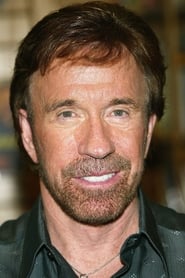
J.J. McQuade
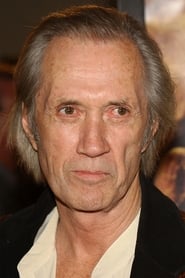
Rawley Wilkes

Lola Richardson
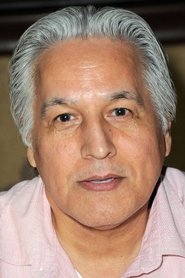
Kayo Ramos

Dakota
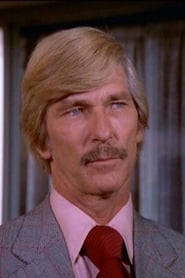
Captain Tyler
Main Cast & Characters
J.J. McQuade
Played by Chuck Norris
A rogue Texas Ranger who prefers working alone and lives by his own code of justice.
Rawley Wilkes
Played by David Carradine
A ruthless arms dealer and martial arts expert who serves as McQuade's primary antagonist.
Lola Richardson
Played by Barbara Carrera
A beautiful and mysterious woman who becomes romantically involved with both McQuade and Rawley.
Kayo Ramos
Played by Robert Beltran
McQuade's partner and fellow Texas Ranger who provides support and comic relief.
Dakota
Played by Dana Kimmell
McQuade's teenage daughter who seeks a relationship with her estranged father.
Captain Tyler
Played by L.Q. Jones
McQuade's commanding officer who struggles to control the maverick ranger.
Structural Analysis
The Status Quo at 1 minutes (1% through the runtime) establishes McQuade is introduced living alone in his remote Texas ranch with his wolf, establishing his isolated lifestyle and preference for solitude over human connection.. Structural examination shows that this early placement immediately immerses viewers in the story world.
The inciting incident occurs at 13 minutes when McQuade witnesses a brutal massacre of Texas state troopers and Army convoy personnel by a heavily armed criminal organization, revealing a sophisticated arms-smuggling operation in his territory.. At 12% through the film, this Disruption aligns precisely with traditional story structure. This beat shifts the emotional landscape, launching the protagonist into the central conflict.
The First Threshold at 27 minutes marks the transition into Act II, occurring at 25% of the runtime. This shows the protagonist's commitment to McQuade makes the active choice to pursue Wilkes personally after meeting him at a social gathering and sensing his involvement. He commits to taking down the operation despite warnings to stay in his jurisdiction., moving from reaction to action.
At 54 minutes, the Midpoint arrives at 50% of the runtime—precisely centered, creating perfect narrative symmetry. Structural examination shows that this crucial beat Wilkes makes his power clear by having McQuade's daughter Sally kidnapped. The stakes transform from professional investigation to deeply personal vendetta as McQuade realizes his lone wolf tactics have put his family in danger., fundamentally raising what's at risk. The emotional intensity shifts, dividing the narrative into clear before-and-after phases.
The Collapse moment at 80 minutes (75% through) represents the emotional nadir. Here, Wilkes's men beat McQuade nearly to death and bury him alive in his own truck. Left for dead underground, McQuade faces literal death as dirt fills his vehicle in the film's darkest moment., reveals the protagonist at their lowest point. This beat's placement in the final quarter sets up the climactic reversal.
The Second Threshold at 86 minutes initiates the final act resolution at 80% of the runtime. In an iconic moment, McQuade uses his supercharged truck to blast out of his own grave, emerging from the earth reborn and ready for vengeance. He's no longer fighting alone - he accepts help from Kayo and federal agent Jackson., demonstrating the transformation achieved throughout the journey.
Emotional Journey
Lone Wolf McQuade's emotional architecture traces a deliberate progression across 15 carefully calibrated beats.
Narrative Framework
This structural analysis employs structural analysis methodology used to understand storytelling architecture. By mapping Lone Wolf McQuade against these established plot points, we can identify how Steve Carver utilizes or subverts traditional narrative conventions. The plot point approach reveals not only adherence to structural principles but also creative choices that distinguish Lone Wolf McQuade within the action genre.
Steve Carver's Structural Approach
Among the 2 Steve Carver films analyzed on Arcplot, the average structural score is 6.9, demonstrating varied approaches to story architecture. Lone Wolf McQuade represents one of the director's most structurally precise works. For comparative analysis, explore the complete Steve Carver filmography.
Comparative Analysis
Additional action films include The Bad Guys, Puss in Boots and Venom: The Last Dance. For more Steve Carver analyses, see An Eye for an Eye.
Plot Points by Act
Act I
SetupStatus Quo
McQuade is introduced living alone in his remote Texas ranch with his wolf, establishing his isolated lifestyle and preference for solitude over human connection.
Theme
McQuade's superior tells him that his lone wolf tactics are going to get him killed someday, stating that no man is an island and he needs to learn to work with others.
Worldbuilding
The world of the Texas Rangers is established along with McQuade's strained relationship with his ex-wife and daughter Sally. His reputation as an effective but difficult loner is shown through his single-handed takedown of horse thieves.
Disruption
McQuade witnesses a brutal massacre of Texas state troopers and Army convoy personnel by a heavily armed criminal organization, revealing a sophisticated arms-smuggling operation in his territory.
Resistance
McQuade reluctantly accepts rookie partner Kayo Ramos despite his protests. He investigates the massacre and begins to uncover connections to wealthy arms dealer Rawley Wilkes while resisting the partnership forced upon him.
Act II
ConfrontationFirst Threshold
McQuade makes the active choice to pursue Wilkes personally after meeting him at a social gathering and sensing his involvement. He commits to taking down the operation despite warnings to stay in his jurisdiction.
Mirror World
McQuade meets Lola Richardson, a beautiful widow connected to Wilkes, and begins a romantic relationship that challenges his isolated existence and shows him the value of emotional connection.
Premise
McQuade and Kayo investigate the arms-smuggling ring with escalating action sequences including shootouts and car chases. McQuade's trademark skills with his Supercharged Dodge Ramcharger and martial arts are on full display as he gets closer to Wilkes.
Midpoint
Wilkes makes his power clear by having McQuade's daughter Sally kidnapped. The stakes transform from professional investigation to deeply personal vendetta as McQuade realizes his lone wolf tactics have put his family in danger.
Opposition
Wilkes and his men systematically dismantle McQuade's world. Kayo is severely beaten, Lola is revealed to have past ties to Wilkes, and McQuade faces increasing pressure from his superiors to back off while his personal life crumbles.
Collapse
Wilkes's men beat McQuade nearly to death and bury him alive in his own truck. Left for dead underground, McQuade faces literal death as dirt fills his vehicle in the film's darkest moment.
Crisis
Buried alive, McQuade must confront his mortality. In this moment of crisis, he reaches for his beer, drinks it, and channels his will to survive - refusing to die alone and forgotten.
Act III
ResolutionSecond Threshold
In an iconic moment, McQuade uses his supercharged truck to blast out of his own grave, emerging from the earth reborn and ready for vengeance. He's no longer fighting alone - he accepts help from Kayo and federal agent Jackson.
Synthesis
McQuade leads his assembled team in a full assault on Wilkes's compound. Working together with Kayo, Jackson, and others, they fight through Wilkes's army. The finale culminates in an extended martial arts battle between McQuade and Wilkes.
Transformation
McQuade defeats Wilkes and is reunited with his daughter, Lola, and his team. The former lone wolf stands surrounded by people who care about him, having learned that strength comes from connection, not isolation.