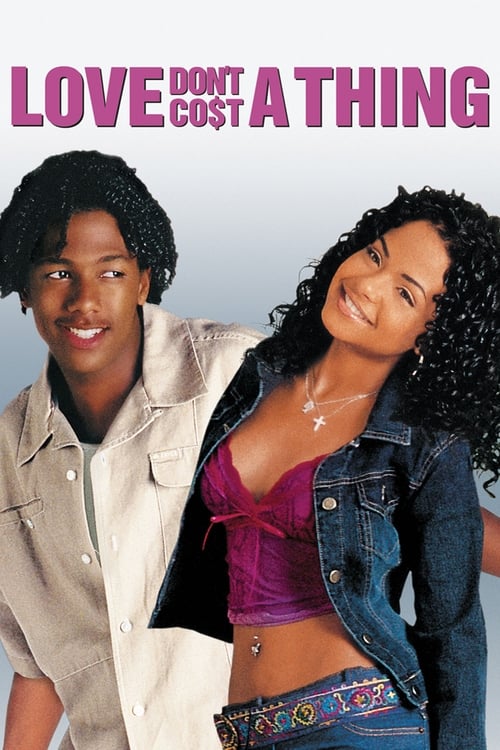
Love Don't Co$t a Thing
A high school outcast pays a cheerleader to pose as his girlfriend so he can be considered cool.
The film earned $22.0M at the global box office.


Plot Structure
Story beats plotted across runtime


Narrative Arc
Emotional journey through the story's key moments
Story Circle
Blueprint 15-beat structure
Arcplot Score Breakdown
Weighted: Precision (70%) + Arc (15%) + Theme (15%)
Love Don't Co$t a Thing (2003) reveals deliberately positioned narrative architecture, characteristic of Troy Byer's storytelling approach. This structural analysis examines how the film's 15-point plot structure maps to proven narrative frameworks across 1 hour and 40 minutes. With an Arcplot score of 7.3, the film balances conventional beats with creative variation.
Characters
Cast & narrative archetypes

Alvin Johnson
Paris Morgan
Paris's Mom
Walter
Kenneth
Zeke
Alvin's Mom
Main Cast & Characters
Alvin Johnson
Played by Nick Cannon
Smart, nerdy high school student who pays popular girl Paris to pretend to be his girlfriend to boost his social status
Paris Morgan
Played by Christina Milian
Popular, materialistic cheerleader who agrees to fake-date Alvin in exchange for car repairs
Paris's Mom
Played by Vanessa Bell Calloway
Paris's mother who provides guidance and perspective on relationships and authenticity
Walter
Played by Kenan Thompson
Alvin's loyal best friend who tries to keep him grounded during his popularity transformation
Kenneth
Played by Kal Penn
Alvin's nerdy friend who gets left behind as Alvin climbs the social ladder
Zeke
Played by Al Thompson
Alvin's friend and member of the original nerd group
Alvin's Mom
Played by Reagan Gomez-Preston
Alvin's supportive mother who wants the best for her son
Structural Analysis
The Status Quo at 1 minutes (1% through the runtime) establishes Alvin Johnson is introduced as a brilliant but socially invisible nerd, working on his car engine project in the garage while his friends discuss their lack of status at school. He observes the popular crowd from afar, establishing his outsider position.. Significantly, this early placement immediately immerses viewers in the story world.
The inciting incident occurs at 13 minutes when Paris crashes her mother's SUV and desperately needs it repaired before her mom returns. She encounters Alvin, who has the mechanical skills to fix it. This accident creates the opportunity that will change both their lives.. At 13% through the film, this Disruption is delayed, allowing extended setup of the story world. This beat shifts the emotional landscape, launching the protagonist into the central conflict.
The First Threshold at 25 minutes marks the transition into Act II, occurring at 25% of the runtime. This shows the protagonist's commitment to Paris agrees to the deal. She and Alvin shake hands, entering into their fake relationship contract. Alvin commits to transforming himself and Paris commits to publicly dating him for two weeks. Both cross into a new world of deception., moving from reaction to action.
At 51 minutes, the Midpoint arrives at 51% of the runtime—precisely centered, creating perfect narrative symmetry. The analysis reveals that this crucial beat The two-week deal ends, but Alvin has become genuinely popular. At a major party, he's now the center of attention without Paris's help. This false victory marks his transformation into a popular kid - but he's becoming someone he's not, and Paris realizes she has real feelings for him., fundamentally raising what's at risk. The emotional intensity shifts, dividing the narrative into clear before-and-after phases.
The Collapse moment at 75 minutes (75% through) represents the emotional nadir. Here, The truth about the deal is publicly exposed at a school event. Alvin is humiliated in front of everyone - the popular crowd rejects him as a fraud, and his real friends want nothing to do with the person he's become. Paris feels betrayed that their growing connection meant nothing to him. He's lost everything., indicates the protagonist at their lowest point. This beat's placement in the final quarter sets up the climactic reversal.
The Second Threshold at 81 minutes initiates the final act resolution at 81% of the runtime. Alvin decides to reclaim his true identity. He reaches out to his estranged friends to help finish his engineering project, humbly apologizing for abandoning them. He chooses authenticity over image, understanding that being himself is more valuable than being popular., demonstrating the transformation achieved throughout the journey.
Emotional Journey
Love Don't Co$t a Thing's emotional architecture traces a deliberate progression across 15 carefully calibrated beats.
Narrative Framework
This structural analysis employs a 15-point narrative structure framework that maps key story moments. By mapping Love Don't Co$t a Thing against these established plot points, we can identify how Troy Byer utilizes or subverts traditional narrative conventions. The plot point approach reveals not only adherence to structural principles but also creative choices that distinguish Love Don't Co$t a Thing within the comedy genre.
Comparative Analysis
Additional comedy films include The Bad Guys, Ella Enchanted and The Evening Star.
Plot Points by Act
Act I
SetupStatus Quo
Alvin Johnson is introduced as a brilliant but socially invisible nerd, working on his car engine project in the garage while his friends discuss their lack of status at school. He observes the popular crowd from afar, establishing his outsider position.
Theme
Alvin's mother tells him that real worth comes from who you are inside, not from how others see you - foreshadowing that popularity gained through deception cannot bring true happiness or connection.
Worldbuilding
The high school social hierarchy is established. Alvin and his nerdy crew are at the bottom. Paris Morgan is the most popular girl in school, dating the star athlete. Alvin's passion for engineering and his pool-cleaning job are introduced, along with his crush on Paris.
Disruption
Paris crashes her mother's SUV and desperately needs it repaired before her mom returns. She encounters Alvin, who has the mechanical skills to fix it. This accident creates the opportunity that will change both their lives.
Resistance
Paris begs Alvin to fix her car, but he can't afford the parts. Alvin proposes a deal: he'll fix the car for free if Paris pretends to be his girlfriend for two weeks to boost his social status. Paris reluctantly considers the proposal, debating whether her reputation can survive the association.
Act II
ConfrontationFirst Threshold
Paris agrees to the deal. She and Alvin shake hands, entering into their fake relationship contract. Alvin commits to transforming himself and Paris commits to publicly dating him for two weeks. Both cross into a new world of deception.
Mirror World
As Paris begins coaching Alvin on how to be cool, genuine moments emerge between them. She sees his intelligence and kindness; he sees past her superficial popularity. Their fake relationship carries the seeds of real connection that represents the thematic truth.
Premise
The fun of the premise unfolds: Alvin gets a makeover, learns to dance, and Paris introduces him to her world. His popularity soars as they attend parties together. Alvin enjoys his new status while his old friends feel increasingly abandoned. The school buzzes about the unlikely couple.
Midpoint
The two-week deal ends, but Alvin has become genuinely popular. At a major party, he's now the center of attention without Paris's help. This false victory marks his transformation into a popular kid - but he's becoming someone he's not, and Paris realizes she has real feelings for him.
Opposition
Alvin's ego inflates as popularity consumes him. He neglects his engineering project, dismisses his loyal friends, and treats Paris as dispensable now that he doesn't need her. His mother notices the change. Paris tries to connect with the real Alvin, but he's lost in his new persona. His old friends confront him about abandoning them.
Collapse
The truth about the deal is publicly exposed at a school event. Alvin is humiliated in front of everyone - the popular crowd rejects him as a fraud, and his real friends want nothing to do with the person he's become. Paris feels betrayed that their growing connection meant nothing to him. He's lost everything.
Crisis
Alvin sits alone, rejected by all groups. He reflects on how he sacrificed his authentic self and genuine relationships for superficial popularity. His mother offers comfort. He realizes that Paris saw the real him and he threw that away. The engineering competition approaches and he hasn't finished his project.
Act III
ResolutionSecond Threshold
Alvin decides to reclaim his true identity. He reaches out to his estranged friends to help finish his engineering project, humbly apologizing for abandoning them. He chooses authenticity over image, understanding that being himself is more valuable than being popular.
Synthesis
Alvin and his friends work together to complete his car engine project. He enters the engineering competition and wins, proving his worth through genuine talent. He publicly apologizes to Paris, confessing that his feelings for her became real. He demonstrates he's learned to value substance over status.
Transformation
Alvin and Paris share a genuine kiss, now as equals who see and appreciate each other's true selves. He's surrounded by his real friends, successful on his own merits, and in a relationship built on authenticity rather than a transaction. The nerd who wanted to be cool learned that being himself was cool all along.