Luca
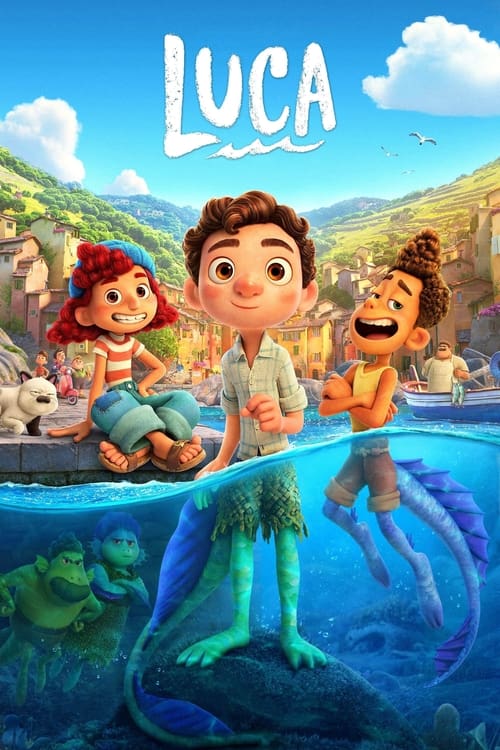
Luca and his best friend Alberto experience an unforgettable summer on the Italian Riviera. But all the fun is threatened by a deeply-held secret: they are sea monsters from another world just below the water’s surface.
The film box office disappointment against its blockbuster budget of $200.0M, earning $51.1M globally (-74% loss). While initial box office returns were modest, the film has gained appreciation for its fresh perspective within the animation genre.
Nominated for 1 Oscar. 6 wins & 83 nominations


Plot Structure
Story beats plotted across runtime


Narrative Arc
Emotional journey through the story's key moments
Story Circle
Blueprint 15-beat structure
Arcplot Score Breakdown
Weighted: Precision (70%) + Arc (15%) + Theme (15%)
Luca (2021) reveals deliberately positioned story structure, characteristic of Enrico Casarosa's storytelling approach. This structural analysis examines how the film's 15-point plot structure maps to proven narrative frameworks across 1 hour and 35 minutes. With an Arcplot score of 7.1, the film balances conventional beats with creative variation.
Characters
Cast & narrative archetypes

Luca Paguro
Alberto Scorfano
Giulia Marcovaldo
Ercole Visconti
Daniela Paguro
Lorenzo Paguro
Massimo Marcovaldo
Grandma Paguro
Main Cast & Characters
Luca Paguro
Played by Jacob Tremblay
A curious young sea monster who dreams of exploring the human world above the surface
Alberto Scorfano
Played by Jack Dylan Grazer
A confident, rebellious sea monster who lives alone and introduces Luca to the surface world
Giulia Marcovaldo
Played by Emma Berman
An energetic, ambitious human girl who befriends Luca and Alberto and dreams of winning the Portorosso Cup
Ercole Visconti
Played by Saverio Raimondo
The arrogant, bullying five-time champion of the Portorosso Cup who terrorizes the town's children
Daniela Paguro
Played by Maya Rudolph
Luca's overprotective mother who fears the human world and wants to keep her son safe underwater
Lorenzo Paguro
Played by Jim Gaffigan
Luca's kind but passive father who tends to go along with his wife's protective rules
Massimo Marcovaldo
Played by Marco Barricelli
Giulia's intimidating but kind-hearted fisherman father who has one arm and hunts sea monsters
Grandma Paguro
Played by Sandy Martin
Luca's adventurous grandmother who encourages him to explore and hints at her own past adventures
Structural Analysis
The Status Quo at 1 minutes (1% through the runtime) establishes Luca herds goatfish on the ocean floor, living a sheltered life under his overprotective parents' watchful eyes. His world is defined by routine and warnings about the dangerous surface world above.. The analysis reveals that this early placement immediately immerses viewers in the story world.
The inciting incident occurs at 11 minutes when Luca meets Alberto, a fellow sea monster who lives on the surface and shows Luca that sea monsters transform into humans when dry. Alberto pulls Luca onto land, revealing a world of possibility.. At 11% through the film, this Disruption aligns precisely with traditional story structure. This beat shifts the emotional landscape, launching the protagonist into the central conflict.
The First Threshold at 23 minutes marks the transition into Act II, occurring at 24% of the runtime. This shows the protagonist's commitment to When Luca's parents threaten to send him to the deep with Uncle Ugo, he makes the active choice to run away with Alberto to the human town of Portorosso to pursue their Vespa dream., moving from reaction to action.
At 47 minutes, the Midpoint arrives at 49% of the runtime—precisely centered, creating perfect narrative symmetry. Significantly, this crucial beat The team qualifies for the Portorosso Cup finals. Luca becomes increasingly enchanted by human education and Giulia's stories of school in Genova, creating a rift with Alberto who feels abandoned. False victory as success seems within reach but the friendship fractures., fundamentally raising what's at risk. The emotional intensity shifts, dividing the narrative into clear before-and-after phases.
The Collapse moment at 69 minutes (72% through) represents the emotional nadir. Here, In a moment of fear and self-preservation, Luca betrays Alberto by calling him a "sea monster" when Alberto is exposed to rain. Alberto flees heartbroken. Luca has lost his best friend and compromised his own identity - a death of innocence and trust., reveals the protagonist at their lowest point. This beat's placement in the final quarter sets up the climactic reversal.
The Second Threshold at 75 minutes initiates the final act resolution at 79% of the runtime. Luca decides to compete in the race not for the Vespa, but to find Alberto and make amends. He synthesizes his desire for belonging with true acceptance of who he is - he will no longer hide or betray his nature., demonstrating the transformation achieved throughout the journey.
Emotional Journey
Luca's emotional architecture traces a deliberate progression across 15 carefully calibrated beats.
Narrative Framework
This structural analysis employs a 15-point narrative structure framework that maps key story moments. By mapping Luca against these established plot points, we can identify how Enrico Casarosa utilizes or subverts traditional narrative conventions. The plot point approach reveals not only adherence to structural principles but also creative choices that distinguish Luca within the animation genre.
Comparative Analysis
Additional animation films include The Bad Guys, Puss in Boots and Violet Evergarden: Eternity and the Auto Memory Doll.
Plot Points by Act
Act I
SetupStatus Quo
Luca herds goatfish on the ocean floor, living a sheltered life under his overprotective parents' watchful eyes. His world is defined by routine and warnings about the dangerous surface world above.
Theme
Luca's mother warns him that the surface world is dangerous and he must never go there - establishing the central conflict between safety/conformity and the courage to explore one's true identity.
Worldbuilding
Luca's underwater existence is established - his job herding goatfish, his parents' fears about "land monsters," and his secret fascination with human objects that sink from above.
Disruption
Luca meets Alberto, a fellow sea monster who lives on the surface and shows Luca that sea monsters transform into humans when dry. Alberto pulls Luca onto land, revealing a world of possibility.
Resistance
Alberto becomes Luca's guide to the surface world, teaching him to walk, showing him his hideout, and introducing him to the dream of owning a Vespa - symbol of ultimate freedom.
Act II
ConfrontationFirst Threshold
When Luca's parents threaten to send him to the deep with Uncle Ugo, he makes the active choice to run away with Alberto to the human town of Portorosso to pursue their Vespa dream.
Mirror World
Luca and Alberto arrive in Portorosso and meet Giulia, an outcast human girl determined to beat the bully Ercole in the Portorosso Cup triathlon. She offers them partnership and introduces a new world of friendship, learning, and belonging.
Premise
The trio trains for the Portorosso Cup triathlon to win prize money for a Vespa. Luca experiences human life - eating pasta, learning about the stars and school, bonding with Giulia and her father Massimo, while hiding his true sea monster nature.
Midpoint
The team qualifies for the Portorosso Cup finals. Luca becomes increasingly enchanted by human education and Giulia's stories of school in Genova, creating a rift with Alberto who feels abandoned. False victory as success seems within reach but the friendship fractures.
Opposition
Alberto grows jealous as Luca bonds with Giulia and dreams of school. Tensions rise as Alberto tries to remind Luca of their Vespa plan. Ercole becomes more menacing. Luca's parents arrive in town searching for him, raising the stakes.
Collapse
In a moment of fear and self-preservation, Luca betrays Alberto by calling him a "sea monster" when Alberto is exposed to rain. Alberto flees heartbroken. Luca has lost his best friend and compromised his own identity - a death of innocence and trust.
Crisis
Luca is wracked with guilt. He learns Alberto's painful backstory - abandoned by his father. Giulia discovers they are sea monsters but accepts them. Luca realizes he must make things right with Alberto and face his fears.
Act III
ResolutionSecond Threshold
Luca decides to compete in the race not for the Vespa, but to find Alberto and make amends. He synthesizes his desire for belonging with true acceptance of who he is - he will no longer hide or betray his nature.
Synthesis
The Portorosso Cup race unfolds. Rain exposes Luca as a sea monster during the finale. Alberto returns to help. Giulia and Massimo defend them. The town witnesses their heroism. Ercole is defeated and humiliated. The community begins to accept sea monsters.
Transformation
Luca boards the train to Genova with Giulia to attend school, embracing his dream of learning. Alberto, now working with Massimo, has found a true father figure. Both boys have found where they belong - not by hiding who they are, but by being fully themselves.