
Mad Max Beyond Thunderdome
Left for dead in the unforgiving deserts of post-nuclear Australia, after defeating Lord Humungus' barbarian horde of bikers in Mad Max 2 (1981), the former officer of the tough Main Force Patrol, Max Rockatansky, happens upon Bartertown: the remote market-town outpost in the middle of the dry Wasteland, and the realm of the autocratic Queen Aunty Entity. There, a lethal challenge awaits Max, who, in return for his freedom and provisions, must engage in a bloody match to the death with the grotesque symbiotic being, the Master/Blaster. However, an unforeseen complication after the brutal fight in the stronghold's combat arena, The Thunderdome, will banish, once more, Max into the vast wilderness, only to discover the peaceful haven of The Lost Tribe: a community of marooned children who survive on their own, waiting for the arrival of the legendary Captain Walker. Is "Mad" Max, indeed, their saviour? Can he overthrow Bartertown's ruthless tyrant?
Despite its small-scale budget of $10.0M, Mad Max Beyond Thunderdome became a commercial success, earning $36.2M worldwide—a 262% return. The film's innovative storytelling connected with viewers, demonstrating that strong storytelling can transcend budget limitations.
1 win & 10 nominations


Plot Structure
Story beats plotted across runtime


Narrative Arc
Emotional journey through the story's key moments
Story Circle
Blueprint 15-beat structure
Arcplot Score Breakdown
Weighted: Precision (70%) + Arc (15%) + Theme (15%)
Mad Max Beyond Thunderdome (1985) showcases deliberately positioned narrative design, characteristic of George Ogilvie's storytelling approach. This structural analysis examines how the film's 15-point plot structure maps to proven narrative frameworks across 1 hour and 47 minutes. With an Arcplot score of 6.7, the film balances conventional beats with creative variation.
Characters
Cast & narrative archetypes

Mad Max Rockatansky

Aunty Entity
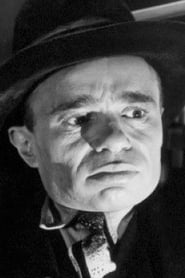
Master

Blaster

Savannah Nix
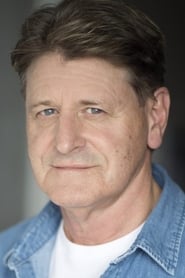
Pig Killer
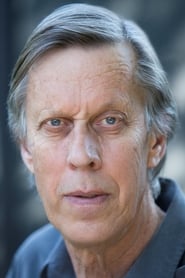
Jedediah the Pilot
Main Cast & Characters
Mad Max Rockatansky
Played by Mel Gibson
A former road warrior wandering the post-apocalyptic wasteland, seeking survival and redemption after losing everything.
Aunty Entity
Played by Tina Turner
The ruthless, charismatic ruler of Bartertown who enforces order through cunning and brutality.
Master
Played by Angelo Rossitto
The intelligent, dwarf engineer who powers Bartertown with methane production, riding atop Blaster.
Blaster
Played by Paul Larsson
The enormous, childlike enforcer who carries Master and serves as Bartertown's muscle.
Savannah Nix
Played by Helen Buday
The wise, storytelling leader of the Lost Tribe of children who believe Max is their prophesied savior.
Pig Killer
Played by Robert Grubb
A scavenger pilot who trades with Max and betrays him, stealing his camels and supplies.
Jedediah the Pilot
Played by Bruce Spence
A resourceful bush pilot who initially abandons Max but later helps rescue the children.
Structural Analysis
The Status Quo at 1 minutes (1% through the runtime) establishes Max wanders the post-apocalyptic wasteland alone, his camel-drawn wagon ambushed by pilot Jedediah and his son. Stripped of his vehicle and possessions, Max is left with nothing—a lone survivor reduced to his most desperate state.. Significantly, this early placement immediately immerses viewers in the story world.
The inciting incident occurs at 13 minutes when Aunty Entity makes Max an offer he can't refuse: kill Blaster in Thunderdome combat and she'll return his stolen goods. Max's simple mission of recovery becomes entangled in Bartertown's deadly politics.. At 12% through the film, this Disruption aligns precisely with traditional story structure. This beat shifts the emotional landscape, launching the protagonist into the central conflict.
The First Threshold at 26 minutes marks the transition into Act II, occurring at 25% of the runtime. This demonstrates the protagonist's commitment to Max chooses to enter Thunderdome to fight Blaster. Suspended on bungee cords in the steel cage arena, he commits fully to Aunty's scheme. "Two men enter, one man leaves"—Max crosses into a world where only violence determines worth., moving from reaction to action.
At 52 minutes, the Midpoint arrives at 49% of the runtime—precisely centered, creating perfect narrative symmetry. The analysis reveals that this crucial beat Max is rescued by Savannah Nix and brought to a hidden oasis where a tribe of feral children have survived a plane crash. They believe Max is "Captain Walker" come to lead them to "Tomorrow-morrow Land." A false victory: Max has found refuge but is mistaken for a messiah he cannot be., fundamentally raising what's at risk. The emotional intensity shifts, dividing the narrative into clear before-and-after phases.
The Collapse moment at 79 minutes (74% through) represents the emotional nadir. Here, Max catches up to the children only to find they've stumbled into Bartertown's territory. To save them, he must return to the place that exiled him to die. The children's innocence has led them into the heart of danger, and Max faces the consequences of his earlier choice to show mercy., indicates the protagonist at their lowest point. This beat's placement in the final quarter sets up the climactic reversal.
The Second Threshold at 85 minutes initiates the final act resolution at 79% of the runtime. Max synthesizes his warrior skills with his rediscovered humanity. He orchestrates a desperate escape plan: free Master, commandeer a vehicle, and get the children to Jedediah's plane. He chooses to be their protector, not their messiah—acting from duty rather than legend., demonstrating the transformation achieved throughout the journey.
Emotional Journey
Mad Max Beyond Thunderdome's emotional architecture traces a deliberate progression across 15 carefully calibrated beats.
Narrative Framework
This structural analysis employs a 15-point narrative structure framework that maps key story moments. By mapping Mad Max Beyond Thunderdome against these established plot points, we can identify how George Ogilvie utilizes or subverts traditional narrative conventions. The plot point approach reveals not only adherence to structural principles but also creative choices that distinguish Mad Max Beyond Thunderdome within the action genre.
Comparative Analysis
Additional action films include The Bad Guys, Puss in Boots and Venom: The Last Dance.
Plot Points by Act
Act I
SetupStatus Quo
Max wanders the post-apocalyptic wasteland alone, his camel-drawn wagon ambushed by pilot Jedediah and his son. Stripped of his vehicle and possessions, Max is left with nothing—a lone survivor reduced to his most desperate state.
Theme
The Collector at Bartertown's gate declares "Remember, no matter what happens in there, one thing's for sure—two men enter, one man leaves." This encapsulates the film's exploration of civilization's thin veneer over savagery, and whether might truly makes right.
Worldbuilding
Max arrives at Bartertown, a crude marketplace built on pig excrement-powered methane. We meet Aunty Entity who rules the surface while Master Blaster controls Underworld and the energy supply. The power struggle between them establishes the world's fragile social order.
Disruption
Aunty Entity makes Max an offer he can't refuse: kill Blaster in Thunderdome combat and she'll return his stolen goods. Max's simple mission of recovery becomes entangled in Bartertown's deadly politics.
Resistance
Max infiltrates Underworld to study Master Blaster, learning that Master is the brains and Blaster is the brawn. He discovers Blaster's weakness to high-pitched sound and deliberately provokes a confrontation to invoke the law: "Bust a deal, face the wheel."
Act II
ConfrontationFirst Threshold
Max chooses to enter Thunderdome to fight Blaster. Suspended on bungee cords in the steel cage arena, he commits fully to Aunty's scheme. "Two men enter, one man leaves"—Max crosses into a world where only violence determines worth.
Mirror World
When Max defeats Blaster and removes his helmet, he discovers Blaster is mentally disabled—a childlike giant. Max refuses to kill him, showing mercy that defies Thunderdome law. This moment of conscience introduces the thematic conflict between survival and humanity.
Premise
The Thunderdome battle delivers the film's promised spectacle—gladiatorial combat on bungees with chainsaws and mallets. After Max's refusal to kill, Aunty has Blaster executed and subjects Max to exile via "Gulag"—sent into the desert strapped to a horse, left to die.
Midpoint
Max is rescued by Savannah Nix and brought to a hidden oasis where a tribe of feral children have survived a plane crash. They believe Max is "Captain Walker" come to lead them to "Tomorrow-morrow Land." A false victory: Max has found refuge but is mistaken for a messiah he cannot be.
Opposition
Max refuses to lead the children anywhere, knowing the wasteland offers no paradise. His cynicism clashes with their faith. When Savannah leads a breakaway group into the desert seeking Tomorrow-morrow Land, Max is forced to pursue them to prevent their deaths—drawn back into responsibility despite himself.
Collapse
Max catches up to the children only to find they've stumbled into Bartertown's territory. To save them, he must return to the place that exiled him to die. The children's innocence has led them into the heart of danger, and Max faces the consequences of his earlier choice to show mercy.
Crisis
Max leads the children into Underworld to free Master, who can help them escape. They navigate the methane tunnels beneath Bartertown, hunted by Aunty's forces. Max must become the leader the children believed him to be, accepting the role he rejected.
Act III
ResolutionSecond Threshold
Max synthesizes his warrior skills with his rediscovered humanity. He orchestrates a desperate escape plan: free Master, commandeer a vehicle, and get the children to Jedediah's plane. He chooses to be their protector, not their messiah—acting from duty rather than legend.
Synthesis
A massive vehicle chase erupts as Max and the children flee Bartertown with Aunty's army in pursuit. Max drives a locomotive-truck through the wasteland, buying time for the plane to take off. In a final sacrifice, Max uses his vehicle to block the pursuing army, stranding himself to save the others.
Transformation
The children reach the ruins of Sydney, where they've built a new society. Each night, Savannah tells their story—including the legend of Max who saved them. Max wanders the wasteland again, alone but transformed: no longer just a survivor, but a man who chose to believe in something beyond himself.