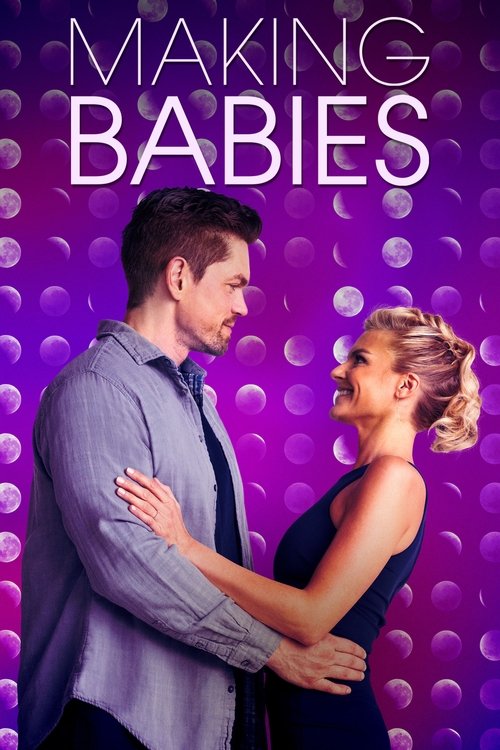
Making Babies
After years of "manually" trying to conceive, John and Katie Kelly put their bodies, wallet and marriage through the ringer of modern infertility treatments.








Plot Structure
Story beats plotted across runtime


Narrative Arc
Emotional journey through the story's key moments
Story Circle
Blueprint 15-beat structure
Arcplot Score Breakdown
Weighted: Precision (70%) + Arc (15%) + Theme (15%)
Making Babies (2019) demonstrates meticulously timed narrative design, characteristic of Josh F. Huber's storytelling approach. This structural analysis examines how the film's 15-point plot structure maps to proven narrative frameworks across 1 hour and 26 minutes. With an Arcplot score of 7.3, the film balances conventional beats with creative variation.
Structural Analysis
The Status Quo at 1 minutes (1% through the runtime) establishes Katie and John are a happily married couple enjoying their spontaneous, fun relationship, shown through their playful chemistry and carefree lifestyle before kids.. Notably, this early placement immediately immerses viewers in the story world.
The inciting incident occurs at 10 minutes when After months of trying, Katie and John learn they're having trouble conceiving. What seemed like it would be easy becomes a medical challenge, disrupting their expectations.. At 12% through the film, this Disruption aligns precisely with traditional story structure. This beat shifts the emotional landscape, launching the protagonist into the central conflict.
The First Threshold at 22 minutes marks the transition into Act II, occurring at 25% of the runtime. This indicates the protagonist's commitment to Katie and John make the active choice to fully commit to fertility treatments, embracing the medicalized process and entering the world of scheduled intimacy, hormone injections, and clinical procedures., moving from reaction to action.
At 43 minutes, the Midpoint arrives at 50% of the runtime—precisely centered, creating perfect narrative symmetry. The analysis reveals that this crucial beat A false victory (positive pregnancy test) turns into defeat (miscarriage or failed treatment), or the stress causes a major fight. The stakes raise as the emotional and relational toll becomes undeniable., fundamentally raising what's at risk. The emotional intensity shifts, dividing the narrative into clear before-and-after phases.
The Collapse moment at 65 minutes (75% through) represents the emotional nadir. Here, Katie and John hit rock bottom: a devastating failed treatment, or John admits he can't do this anymore, or they separate. The dream of having a baby together "dies" as their relationship nearly ends., shows the protagonist at their lowest point. This beat's placement in the final quarter sets up the climactic reversal.
The Second Threshold at 69 minutes initiates the final act resolution at 80% of the runtime. Katie realizes (or John realizes) that their love and partnership matter more than the outcome. They choose each other first, accepting uncertainty and redefining success as staying together, with or without a baby., demonstrating the transformation achieved throughout the journey.
Emotional Journey
Making Babies's emotional architecture traces a deliberate progression across 15 carefully calibrated beats.
Narrative Framework
This structural analysis employs proven narrative structure principles that track dramatic progression. By mapping Making Babies against these established plot points, we can identify how Josh F. Huber utilizes or subverts traditional narrative conventions. The plot point approach reveals not only adherence to structural principles but also creative choices that distinguish Making Babies within the comedy genre.
Comparative Analysis
Additional comedy films include The Ministry of Ungentlemanly Warfare, The Bad Guys and Lake Placid.
Plot Points by Act
Act I
SetupStatus Quo
Katie and John are a happily married couple enjoying their spontaneous, fun relationship, shown through their playful chemistry and carefree lifestyle before kids.
Theme
A friend or family member mentions that having a baby changes everything and tests what a relationship is really made of, hinting at the journey ahead.
Worldbuilding
Introduction to Katie and John's world: their careers, friends, their decision to start trying for a baby, and the initial excitement and optimism about starting a family together.
Disruption
After months of trying, Katie and John learn they're having trouble conceiving. What seemed like it would be easy becomes a medical challenge, disrupting their expectations.
Resistance
Katie and John debate whether to pursue fertility treatments, research options, consult doctors, and grapple with the invasive, clinical nature of what they thought would be natural and romantic.
Act II
ConfrontationFirst Threshold
Katie and John make the active choice to fully commit to fertility treatments, embracing the medicalized process and entering the world of scheduled intimacy, hormone injections, and clinical procedures.
Mirror World
Introduction of a support group, friend, or mentor figure who has been through infertility, representing the emotional truth Katie must learn: vulnerability, patience, and redefining what family means.
Premise
The "fun" of the fertility journey: comedic mishaps with treatments, awkward doctor visits, scheduled sex losing romance, Katie and John navigating this absurd new world while trying to maintain their connection.
Midpoint
A false victory (positive pregnancy test) turns into defeat (miscarriage or failed treatment), or the stress causes a major fight. The stakes raise as the emotional and relational toll becomes undeniable.
Opposition
The pressure intensifies: financial strain, Katie's obsession with getting pregnant pushes John away, their intimacy becomes purely clinical, friends' pregnancies trigger jealousy, and their relationship fractures under the weight.
Collapse
Katie and John hit rock bottom: a devastating failed treatment, or John admits he can't do this anymore, or they separate. The dream of having a baby together "dies" as their relationship nearly ends.
Crisis
Katie and John separately process the loss, questioning whether having a baby is worth losing each other. Dark night of reflection on what truly matters: the baby they want, or the relationship they have.
Act III
ResolutionSecond Threshold
Katie realizes (or John realizes) that their love and partnership matter more than the outcome. They choose each other first, accepting uncertainty and redefining success as staying together, with or without a baby.
Synthesis
Katie and John reconcile with new perspective, have an honest conversation about alternatives (adoption, remaining childless), recommit to each other, and face the future as a united team rather than desperate individuals.
Transformation
Final image mirrors the opening but shows growth: Katie and John together, playful again, but with deeper intimacy and wisdom. Perhaps a hint of pregnancy, adoption, or contentment without—either way, they've transformed.