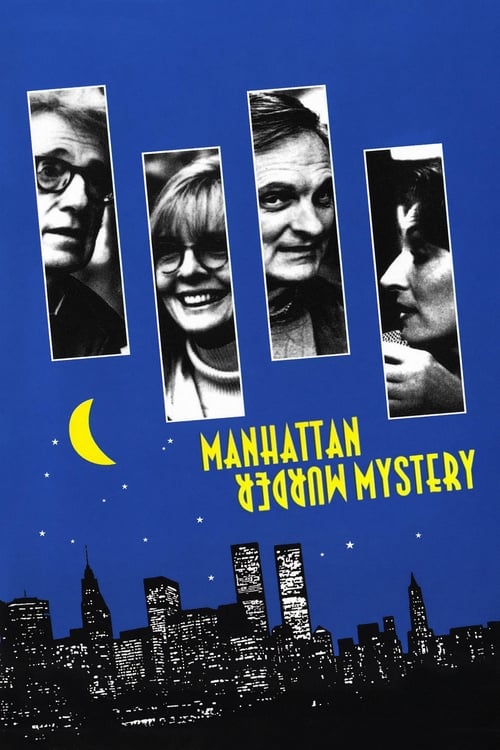
Manhattan Murder Mystery
A middle-aged couple suspects foul play when their neighbor's wife suddenly drops dead.
The film underperformed commercially against its tight budget of $13.5M, earning $11.3M globally (-16% loss).
Nominated for 1 BAFTA Award4 nominations


Plot Structure
Story beats plotted across runtime


Narrative Arc
Emotional journey through the story's key moments
Story Circle
Blueprint 15-beat structure
Arcplot Score Breakdown
Weighted: Precision (70%) + Arc (15%) + Theme (15%)
Manhattan Murder Mystery (1993) exemplifies deliberately positioned narrative architecture, characteristic of Woody Allen's storytelling approach. This structural analysis examines how the film's 15-point plot structure maps to proven narrative frameworks across 1 hour and 44 minutes. With an Arcplot score of 6.1, the film takes an unconventional approach to traditional narrative frameworks.
Characters
Cast & narrative archetypes

Carol Lipton
Larry Lipton
Ted
Marcia Fox
Paul House
Main Cast & Characters
Carol Lipton
Played by Diane Keaton
A middle-aged book editor who becomes obsessed with solving the suspected murder of her neighbor, transforming from bored housewife to amateur detective.
Larry Lipton
Played by Woody Allen
Carol's pragmatic, skeptical husband who writes about food and tries to discourage his wife's detective fantasies while being drawn into the investigation.
Ted
Played by Alan Alda
A playwright friend of the Liptons who becomes Carol's enthusiastic co-investigator, romanticizing the mystery and bringing theatrical flair to their sleuthing.
Marcia Fox
Played by Anjelica Huston
Larry's sexy, adventurous novelist friend who draws him into her own parallel investigation, creating romantic tension and competing theories.
Paul House
Played by Jerry Adler
The Liptons' neighbor whose wife's sudden death triggers Carol's suspicions that he committed murder.
Structural Analysis
The Status Quo at 1 minutes (1% through the runtime) establishes Larry and Carol Lipton return home from a hockey game, established as a comfortable but restless long-married couple in their Upper East Side apartment.. Of particular interest, this early placement immediately immerses viewers in the story world.
The inciting incident occurs at 13 minutes when Lillian House dies suddenly of an apparent heart attack. Carol immediately senses something is wrong with Paul's behavior and begins to suspect foul play.. At 12% through the film, this Disruption aligns precisely with traditional story structure. This beat shifts the emotional landscape, launching the protagonist into the central conflict.
The First Threshold at 25 minutes marks the transition into Act II, occurring at 24% of the runtime. This indicates the protagonist's commitment to Carol makes the active choice to investigate Paul House despite Larry's objections, beginning her surveillance and committing to uncovering the truth., moving from reaction to action.
At 52 minutes, the Midpoint arrives at 50% of the runtime—precisely centered, creating perfect narrative symmetry. The analysis reveals that this crucial beat Carol discovers concrete evidence - she glimpses what appears to be Lillian's body being moved, or finds the cremation urn. A false victory as they believe they have proof., fundamentally raising what's at risk. The emotional intensity shifts, dividing the narrative into clear before-and-after phases.
The Collapse moment at 79 minutes (76% through) represents the emotional nadir. Here, The investigation collapses when their evidence proves worthless and Paul House confronts them. Carol and Larry's marriage is strained to its limit over her obsession with the case., demonstrates the protagonist at their lowest point. This beat's placement in the final quarter sets up the climactic reversal.
The Second Threshold at 83 minutes initiates the final act resolution at 80% of the runtime. Larry fully commits to Carol's investigation, finally believing her and proposing an elaborate trap. The couple unites as a team with Ted and Marcia to expose House., demonstrating the transformation achieved throughout the journey.
Emotional Journey
Manhattan Murder Mystery's emotional architecture traces a deliberate progression across 15 carefully calibrated beats.
Narrative Framework
This structural analysis employs a 15-point narrative structure framework that maps key story moments. By mapping Manhattan Murder Mystery against these established plot points, we can identify how Woody Allen utilizes or subverts traditional narrative conventions. The plot point approach reveals not only adherence to structural principles but also creative choices that distinguish Manhattan Murder Mystery within the comedy genre.
Woody Allen's Structural Approach
Among the 42 Woody Allen films analyzed on Arcplot, the average structural score is 7.0, demonstrating varied approaches to story architecture. Manhattan Murder Mystery takes a more unconventional approach compared to the director's typical style. For comparative analysis, explore the complete Woody Allen filmography.
Comparative Analysis
Additional comedy films include The Bad Guys, Ella Enchanted and The Evening Star. For more Woody Allen analyses, see Everyone Says I Love You, Celebrity and Interiors.
Plot Points by Act
Act I
SetupStatus Quo
Larry and Carol Lipton return home from a hockey game, established as a comfortable but restless long-married couple in their Upper East Side apartment.
Theme
Carol expresses feeling that their life has become too predictable; the need for excitement and adventure in marriage is introduced through casual dinner conversation.
Worldbuilding
The Liptons' comfortable Manhattan life is established: their apartment building, their routines, and their elderly neighbors Paul and Lillian House whom they meet in the elevator.
Disruption
Lillian House dies suddenly of an apparent heart attack. Carol immediately senses something is wrong with Paul's behavior and begins to suspect foul play.
Resistance
Carol shares her murder suspicions with skeptical Larry who wants nothing to do with it. She confides in their friend Ted, who encourages her amateur detective instincts.
Act II
ConfrontationFirst Threshold
Carol makes the active choice to investigate Paul House despite Larry's objections, beginning her surveillance and committing to uncovering the truth.
Mirror World
Ted becomes Carol's enthusiastic investigation partner, creating jealousy in Larry. Marcia Fox, a sophisticated writer and Larry's client, is introduced as a romantic counterpoint.
Premise
The comic investigation unfolds: Carol and Ted follow Paul House, stake out his apartment, break in to search for evidence, and uncover mysterious activities involving a second woman.
Midpoint
Carol discovers concrete evidence - she glimpses what appears to be Lillian's body being moved, or finds the cremation urn. A false victory as they believe they have proof.
Opposition
The investigation intensifies but complications mount: evidence disappears, Paul House becomes aware he's being watched, the supposed victim appears alive, and Larry is reluctantly drawn into the mystery.
Collapse
The investigation collapses when their evidence proves worthless and Paul House confronts them. Carol and Larry's marriage is strained to its limit over her obsession with the case.
Crisis
Larry and Carol face a crossroads: abandon the investigation and accept defeat, or risk everything to prove the truth. Their marriage hangs in the balance of this decision.
Act III
ResolutionSecond Threshold
Larry fully commits to Carol's investigation, finally believing her and proposing an elaborate trap. The couple unites as a team with Ted and Marcia to expose House.
Synthesis
The climactic finale unfolds at an old movie theater showing The Lady from Shanghai. They lure House into a trap, leading to a chase through the famous hall of mirrors and his ultimate exposure as the murderer.
Transformation
Larry and Carol embrace, their marriage revitalized through shared adventure. The mystery brought them closer together, proving that excitement and partnership can coexist in long-term love.