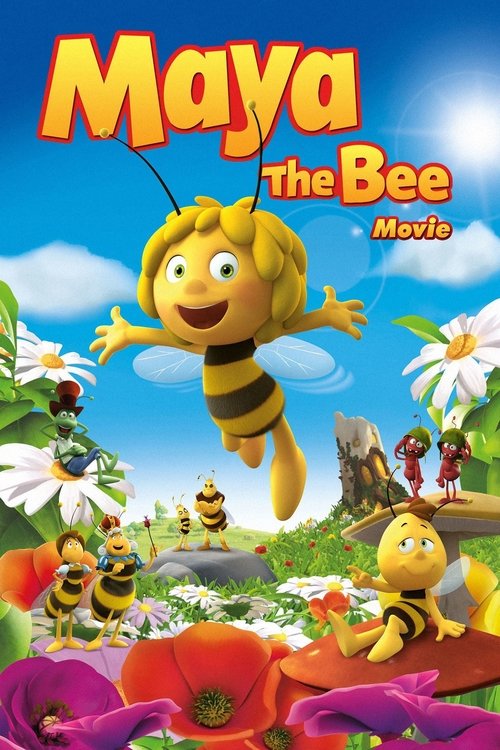
Maya the Bee Movie
A bubbly little bumblebee rebels against the rules of the hive to make all kinds of friends—from violin-playing grasshoppers to a hornet named Sting.
The film earned $29.6M at the global box office.






Plot Structure
Story beats plotted across runtime


Narrative Arc
Emotional journey through the story's key moments
Story Circle
Blueprint 15-beat structure
Arcplot Score Breakdown
Weighted: Precision (70%) + Arc (15%) + Theme (15%)
Maya the Bee Movie (2014) exhibits carefully calibrated dramatic framework, characteristic of Alexs Stadermann's storytelling approach. This structural analysis examines how the film's 15-point plot structure maps to proven narrative frameworks across 1 hour and 28 minutes. With an Arcplot score of 7.4, the film balances conventional beats with creative variation.
Structural Analysis
The Status Quo at 1 minutes (1% through the runtime) establishes Maya hatches from her egg in the hive, immediately curious and energetic, contrasting with the orderly, rule-following bee society.. Of particular interest, this early placement immediately immerses viewers in the story world.
The inciting incident occurs at 10 minutes when Maya breaks a major rule or is expelled from the hive for her rebellious behavior, forcing her into the outside world she's unprepared for.. At 12% through the film, this Disruption aligns precisely with traditional story structure. This beat shifts the emotional landscape, launching the protagonist into the central conflict.
The First Threshold at 22 minutes marks the transition into Act II, occurring at 25% of the runtime. This demonstrates the protagonist's commitment to Maya actively chooses to embrace her adventure in the meadow, deciding to learn about the world beyond the hive rather than immediately returning., moving from reaction to action.
At 43 minutes, the Midpoint arrives at 49% of the runtime—precisely centered, creating perfect narrative symmetry. Of particular interest, this crucial beat Maya discovers the hornets are planning to attack the hive, or she learns that the hive is in danger. The stakes suddenly become real and personal., fundamentally raising what's at risk. The emotional intensity shifts, dividing the narrative into clear before-and-after phases.
The Collapse moment at 65 minutes (74% through) represents the emotional nadir. Here, The hornets attack the hive, or Maya fails to prevent disaster. The queen or a beloved character is in mortal danger, representing the "death" of her old world., indicates the protagonist at their lowest point. This beat's placement in the final quarter sets up the climactic reversal.
The Second Threshold at 70 minutes initiates the final act resolution at 80% of the runtime. Maya rallies her meadow friends and devises a plan that uses both her creativity and her love for the hive, synthesizing her two worlds., demonstrating the transformation achieved throughout the journey.
Emotional Journey
Maya the Bee Movie's emotional architecture traces a deliberate progression across 15 carefully calibrated beats.
Narrative Framework
This structural analysis employs a 15-point narrative structure framework that maps key story moments. By mapping Maya the Bee Movie against these established plot points, we can identify how Alexs Stadermann utilizes or subverts traditional narrative conventions. The plot point approach reveals not only adherence to structural principles but also creative choices that distinguish Maya the Bee Movie within the family genre.
Comparative Analysis
Additional family films include The Bad Guys, Like A Rolling Stone and Cats Don't Dance.
Plot Points by Act
Act I
SetupStatus Quo
Maya hatches from her egg in the hive, immediately curious and energetic, contrasting with the orderly, rule-following bee society.
Theme
Miss Cassandra or another mentor figure tells Maya about following rules and finding one's place, foreshadowing the theme of individuality versus conformity.
Worldbuilding
Establishment of the hive society, Maya's restless nature, her friendship with Willy, the strict rules of bee culture, and the distant threat of hornets.
Disruption
Maya breaks a major rule or is expelled from the hive for her rebellious behavior, forcing her into the outside world she's unprepared for.
Resistance
Maya debates whether to return to the hive or explore the meadow. She meets new friends like Flip the grasshopper who show her the possibilities of the outside world.
Act II
ConfrontationFirst Threshold
Maya actively chooses to embrace her adventure in the meadow, deciding to learn about the world beyond the hive rather than immediately returning.
Mirror World
Maya befriends the free-spirited Flip and other meadow creatures who embody the theme of individuality and living outside rigid structures.
Premise
Maya explores the meadow, has adventures with her new friends, learns about different ways of life, and enjoys her freedom from hive rules.
Midpoint
Maya discovers the hornets are planning to attack the hive, or she learns that the hive is in danger. The stakes suddenly become real and personal.
Opposition
Maya tries to warn the hive but faces rejection due to her earlier rebellion. The hornet threat intensifies while Maya struggles to be heard and believed.
Collapse
The hornets attack the hive, or Maya fails to prevent disaster. The queen or a beloved character is in mortal danger, representing the "death" of her old world.
Crisis
Maya feels responsible for the catastrophe. She realizes she must combine her individualistic spirit with her duty to the hive community.
Act III
ResolutionSecond Threshold
Maya rallies her meadow friends and devises a plan that uses both her creativity and her love for the hive, synthesizing her two worlds.
Synthesis
Maya leads the defense against the hornets, combining unconventional tactics with bee teamwork. The hive learns to value individuality while Maya learns to value community.
Transformation
Maya is welcomed back to the hive as a hero, but now the hive culture has changed to embrace diversity. She has found her place while remaining true to herself.