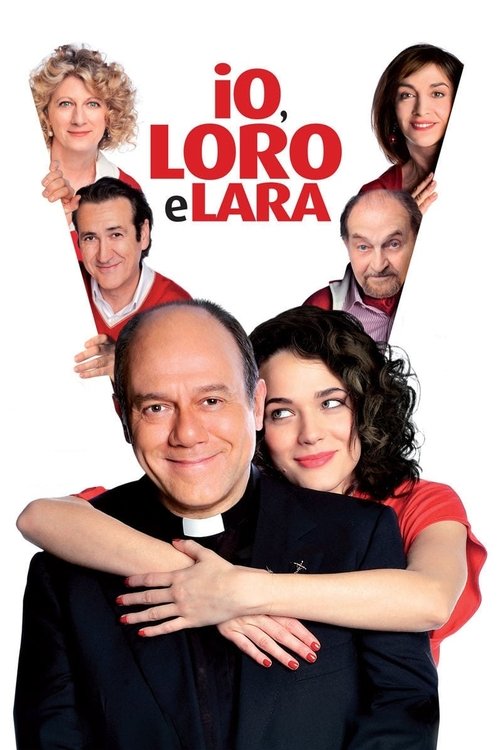
Me, Them and Lara
A priest, after spending years in humanitary missions in Africa, reunites with his family, which is in worse conditions than when he left, and above all meets a young lady who will make him doubt both himself and his faith.
The film earned $22.0M at the global box office.
Plot Structure
Story beats plotted across runtime


Narrative Arc
Emotional journey through the story's key moments
Story Circle
Blueprint 15-beat structure
Arcplot Score Breakdown
Weighted: Precision (70%) + Arc (15%) + Theme (15%)
Me, Them and Lara (2010) reveals deliberately positioned narrative architecture, characteristic of Carlo Verdone's storytelling approach. This structural analysis examines how the film's 15-point plot structure maps to proven narrative frameworks across 1 hour and 55 minutes. With an Arcplot score of 7.4, the film balances conventional beats with creative variation.
Structural Analysis
The Status Quo at 1 minutes (1% through the runtime) establishes Carlo lives a scattered life juggling responsibilities to his ex-wife, demanding children, and his struggling father, showing a man trapped in exhausting patterns of obligation.. Structural examination shows that this early placement immediately immerses viewers in the story world.
The inciting incident occurs at 14 minutes when Carlo meets Lara, a younger woman who shows genuine interest in him as a person rather than as a resource to be exploited, offering a glimpse of a different kind of relationship.. At 13% through the film, this Disruption is delayed, allowing extended setup of the story world. This beat shifts the emotional landscape, launching the protagonist into the central conflict.
The First Threshold at 29 minutes marks the transition into Act II, occurring at 25% of the runtime. This indicates the protagonist's commitment to Carlo decides to actively pursue a relationship with Lara, choosing to carve out space for his own happiness despite knowing it will complicate his already complex life., moving from reaction to action.
At 58 minutes, the Midpoint arrives at 50% of the runtime—precisely centered, creating perfect narrative symmetry. Significantly, this crucial beat Carlo's two worlds collide when his family discovers Lara, or a major conflict erupts that raises the stakes—his children react with hostility, seeing Lara as a threat to their comfortable arrangement., fundamentally raising what's at risk. The emotional intensity shifts, dividing the narrative into clear before-and-after phases.
The Collapse moment at 86 minutes (75% through) represents the emotional nadir. Here, Lara leaves Carlo, unable to continue a relationship where she'll never be a priority. The dream of a new life dies, leaving Carlo alone and forced to confront how his inability to choose himself has cost him real love., reveals the protagonist at their lowest point. This beat's placement in the final quarter sets up the climactic reversal.
The Second Threshold at 92 minutes initiates the final act resolution at 80% of the runtime. Carlo realizes he must set boundaries with his family and fight for Lara, understanding that loving yourself enough to choose your own happiness isn't selfish—it's necessary. He formulates a plan to change., demonstrating the transformation achieved throughout the journey.
Emotional Journey
Me, Them and Lara's emotional architecture traces a deliberate progression across 15 carefully calibrated beats.
Narrative Framework
This structural analysis employs a 15-point narrative structure framework that maps key story moments. By mapping Me, Them and Lara against these established plot points, we can identify how Carlo Verdone utilizes or subverts traditional narrative conventions. The plot point approach reveals not only adherence to structural principles but also creative choices that distinguish Me, Them and Lara within the comedy genre.
Comparative Analysis
Additional comedy films include The Ministry of Ungentlemanly Warfare, The Bad Guys and Lake Placid.
Plot Points by Act
Act I
SetupStatus Quo
Carlo lives a scattered life juggling responsibilities to his ex-wife, demanding children, and his struggling father, showing a man trapped in exhausting patterns of obligation.
Theme
Someone tells Carlo that real happiness requires choosing yourself sometimes, not just living for everyone else's expectations—a concept he dismisses but that haunts him.
Worldbuilding
Establishment of Carlo's chaotic world: his contentious relationship with ex-wife Giulia, his spoiled children who treat him like an ATM, his aging father's needs, and his career as a father struggling to maintain dignity.
Disruption
Carlo meets Lara, a younger woman who shows genuine interest in him as a person rather than as a resource to be exploited, offering a glimpse of a different kind of relationship.
Resistance
Carlo hesitates about pursuing Lara, torn between his responsibilities and this new possibility. His family continues making demands while Lara represents freedom and genuine connection he hasn't experienced in years.
Act II
ConfrontationFirst Threshold
Carlo decides to actively pursue a relationship with Lara, choosing to carve out space for his own happiness despite knowing it will complicate his already complex life.
Mirror World
Lara and Carlo's relationship deepens; she represents the thematic alternative to his life of obligation—someone who values him for who he is, creating a mirror that reflects what his life could be.
Premise
The fun of Carlo trying to balance two worlds: enjoying genuine romance with Lara while managing his family's endless demands. Comedy and warmth as he experiences renewed vitality and hope.
Midpoint
Carlo's two worlds collide when his family discovers Lara, or a major conflict erupts that raises the stakes—his children react with hostility, seeing Lara as a threat to their comfortable arrangement.
Opposition
Pressure from all sides intensifies: his children sabotage the relationship, his ex-wife manipulates him with guilt, Lara grows frustrated with always coming second, and Carlo's inability to set boundaries threatens everything.
Collapse
Lara leaves Carlo, unable to continue a relationship where she'll never be a priority. The dream of a new life dies, leaving Carlo alone and forced to confront how his inability to choose himself has cost him real love.
Crisis
Carlo sits with his loss, recognizing that his pattern of people-pleasing and fear of disappointing others has left him empty. He must decide who he wants to be: the eternal martyr or someone who deserves happiness.
Act III
ResolutionSecond Threshold
Carlo realizes he must set boundaries with his family and fight for Lara, understanding that loving yourself enough to choose your own happiness isn't selfish—it's necessary. He formulates a plan to change.
Synthesis
Carlo confronts his family with new boundaries, tells his children they must respect his choices, stands up to his ex-wife's manipulation, and goes to Lara to fight for their relationship with newfound conviction.
Transformation
Carlo, now transformed, is shown in a balanced life where he maintains relationships with his family but on his terms, with Lara by his side—a man who learned that self-respect and boundaries make him a better father, partner, and person.