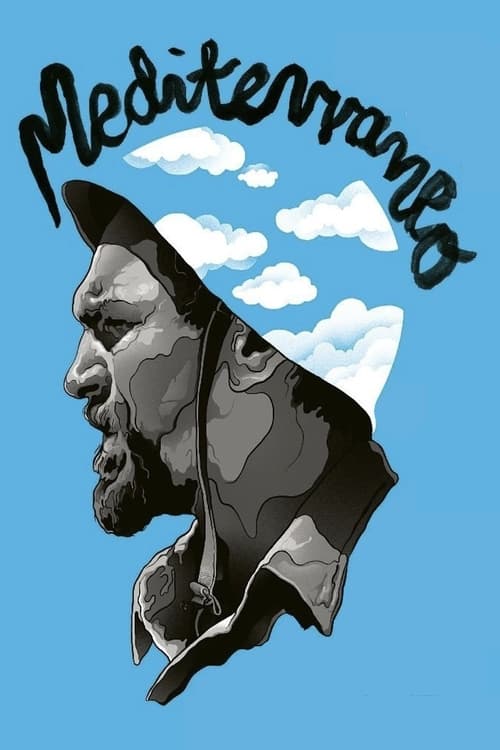
Mediterraneo
Greek Sea, World War II. An Italian ship leaves a handful of soldiers in a little island; their mission is to spot enemy ships and to hold the island in case of attack. The village of the island seems abandoned and there isn't a single enemy in sight, so the soldiers begin to relax a little. Things change when their ship is hit and destroyed by the enemy, and the soldiers find themselves abandoned there.
The film earned $4.5M at the global box office.
1 Oscar. 9 wins & 17 nominations
Plot Structure
Story beats plotted across runtime


Narrative Arc
Emotional journey through the story's key moments
Story Circle
Blueprint 15-beat structure
Arcplot Score Breakdown
Weighted: Precision (70%) + Arc (15%) + Theme (15%)
Mediterraneo (1991) exemplifies deliberately positioned dramatic framework, characteristic of Gabriele Salvatores's storytelling approach. This structural analysis examines how the film's 15-point plot structure maps to proven narrative frameworks across 1 hour and 36 minutes. With an Arcplot score of 7.1, the film balances conventional beats with creative variation.
Characters
Cast & narrative archetypes

Sergeant Lorusso
Lieutenant Montini
Farina
Lorusso (Lorusson)
Strazzabosco
Colasanti
Vassilissa
Munaron
Main Cast & Characters
Sergeant Lorusso
Played by Diego Abatantuono
Pragmatic sergeant leading the stranded Italian unit, who transforms from duty-bound soldier to content islander.
Lieutenant Montini
Played by Claudio Bigagli
Intellectual lieutenant who discovers philosophy and artistic purpose while rediscovering his passion for painting on the island.
Farina
Played by Giuseppe Cederna
The unit's radio operator who becomes obsessed with restoring communication and eventually finds spiritual peace.
Lorusso (Lorusson)
Played by Claudio Bisio
Young private who falls in love with Vassilissa, the island shepherdess, finding romance and belonging.
Strazzabosco
Played by Gigio Alberti
Melancholic soldier who finds joy and freedom in the simple island life, eventually choosing to stay.
Colasanti
Played by Ugo Conti
The unit's medic and aspiring chef who discovers culinary artistry and local traditions on the island.
Vassilissa
Played by Vanna Barba
Beautiful Greek shepherdess who becomes the love interest of Lorusso, representing the island's warmth and acceptance.
Munaron
Played by Memo Dini
Silent, contemplative soldier who finds peace through connection with nature and the island's tranquility.
Structural Analysis
The Status Quo at 1 minutes (1% through the runtime) establishes Eight Italian soldiers board a dilapidated vessel headed for a strategic Greek island mission in 1941. They are unprepared, unmotivated, and already exhausted by the war.. Notably, this early placement immediately immerses viewers in the story world.
The inciting incident occurs at 11 minutes when The soldiers discover their radio is broken beyond repair when they drop it during setup. They realize they are completely cut off from command, stranded without orders or contact with the outside world.. At 12% through the film, this Disruption aligns precisely with traditional story structure. This beat shifts the emotional landscape, launching the protagonist into the central conflict.
The First Threshold at 24 minutes marks the transition into Act II, occurring at 25% of the runtime. This shows the protagonist's commitment to The men encounter the island's hidden Greek inhabitants during an Orthodox church service. Instead of confronting them as enemies, they choose to coexist peacefully. This active decision to abandon their military mission marks their entry into a new world., moving from reaction to action.
At 48 minutes, the Midpoint arrives at 50% of the runtime—precisely centered, creating perfect narrative symmetry. The analysis reveals that this crucial beat The men celebrate a Greek festival fully integrated with the islanders, dancing and feasting. It seems they've found paradise, but Montini realizes they've completely abandoned their duty. The stakes raise: they can never go back to who they were. False victory—they've found peace but lost their identity., fundamentally raising what's at risk. The emotional intensity shifts, dividing the narrative into clear before-and-after phases.
The Collapse moment at 71 minutes (74% through) represents the emotional nadir. Here, A British plane flies overhead and drops leaflets announcing that the war has ended. The dream dies—their paradise was only possible because they were forgotten. They must now return to Italy and face the consequences of their desertion., illustrates the protagonist at their lowest point. This beat's placement in the final quarter sets up the climactic reversal.
The Second Threshold at 76 minutes initiates the final act resolution at 80% of the runtime. The men decide to leave together, understanding that they carry the island within them. They've learned that humanity transcends nationality and that life is about connection, not conflict. This wisdom will guide them through whatever comes next., demonstrating the transformation achieved throughout the journey.
Emotional Journey
Mediterraneo's emotional architecture traces a deliberate progression across 15 carefully calibrated beats.
Narrative Framework
This structural analysis employs systematic plot point analysis that identifies crucial turning points. By mapping Mediterraneo against these established plot points, we can identify how Gabriele Salvatores utilizes or subverts traditional narrative conventions. The plot point approach reveals not only adherence to structural principles but also creative choices that distinguish Mediterraneo within the comedy genre.
Gabriele Salvatores's Structural Approach
Among the 2 Gabriele Salvatores films analyzed on Arcplot, the average structural score is 7.5, reflecting strong command of classical structure. Mediterraneo takes a more unconventional approach compared to the director's typical style. For comparative analysis, explore the complete Gabriele Salvatores filmography.
Comparative Analysis
Additional comedy films include The Bad Guys, Ella Enchanted and The Evening Star. For more Gabriele Salvatores analyses, see The Invisible Boy.
Plot Points by Act
Act I
SetupStatus Quo
Eight Italian soldiers board a dilapidated vessel headed for a strategic Greek island mission in 1941. They are unprepared, unmotivated, and already exhausted by the war.
Theme
Lieutenant Montini remarks: "We're not here to make war, we're here to survive it." This captures the film's central theme about choosing life and humanity over duty and conflict.
Worldbuilding
The motley crew arrives on the seemingly deserted Greek island of Megisti. We meet each character: the bookish Montini, the womanizing Farina, the artist Strazzabosco, the shepherd Lo Russo, and their hapless Sergeant. They establish a base in an abandoned fortress.
Disruption
The soldiers discover their radio is broken beyond repair when they drop it during setup. They realize they are completely cut off from command, stranded without orders or contact with the outside world.
Resistance
The men debate what to do: maintain military discipline or relax. They argue about fixing the radio versus accepting their isolation. They explore the island tentatively, still in uniform, still following protocol, debating whether to search for inhabitants or remain hidden.
Act II
ConfrontationFirst Threshold
The men encounter the island's hidden Greek inhabitants during an Orthodox church service. Instead of confronting them as enemies, they choose to coexist peacefully. This active decision to abandon their military mission marks their entry into a new world.
Mirror World
Vassilissa, a beautiful young widow, appears and becomes the embodiment of the island's life-affirming philosophy. She represents connection, sensuality, and living in the present—the thematic opposite of war's death and duty.
Premise
The soldiers progressively shed their military identity and embrace island life. They paint, make love, fish, play soccer with locals, drink wine, and restore frescoes in ancient churches. The promise of the premise: "what if soldiers forgot about war?"
Midpoint
The men celebrate a Greek festival fully integrated with the islanders, dancing and feasting. It seems they've found paradise, but Montini realizes they've completely abandoned their duty. The stakes raise: they can never go back to who they were. False victory—they've found peace but lost their identity.
Opposition
Time passes—seasons change, years go by. The men become more native than Italian. Farina pursues Vassilissa obsessively. Lo Russo tends sheep. Strazzabosco paints. But the idyll begins to show cracks: arguments about women, boredom, and the nagging question of what happens when the war ends.
Collapse
A British plane flies overhead and drops leaflets announcing that the war has ended. The dream dies—their paradise was only possible because they were forgotten. They must now return to Italy and face the consequences of their desertion.
Crisis
The soldiers grapple with leaving. They've spent three years on the island. Some want to stay, others feel obligated to return. They mourn the end of their timeless existence and confront what awaits them: possible court-martial, a changed Italy, lives they no longer recognize.
Act III
ResolutionSecond Threshold
The men decide to leave together, understanding that they carry the island within them. They've learned that humanity transcends nationality and that life is about connection, not conflict. This wisdom will guide them through whatever comes next.
Synthesis
The soldiers prepare to depart. They say goodbye to the islanders and to Vassilissa. They board a British ship that will take them home. As they leave, they watch the island recede, knowing they are leaving paradise but taking its lessons with them.
Transformation
Years later, Farina returns alone to the island as an old man. He finds Vassilissa, also aged but still radiant. The closing image mirrors the opening but shows transformation: instead of a soldier arriving for war, a man returns for love. He has chosen life.