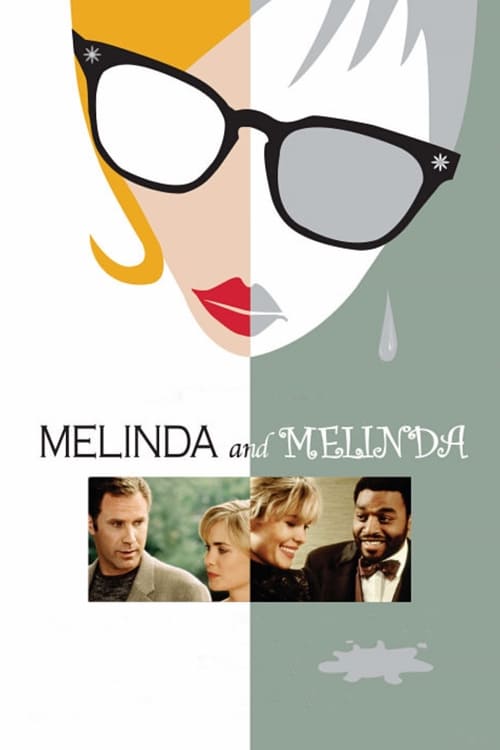
Melinda and Melinda
While dining out with friends, Sy suggests the difficulty of separating comedy from tragedy. To illustrate his point, he tells his guests two parallel stories about Melinda ; both versions have the same basic elements, but one take on her state of affairs leans toward levity, while the other is full of anguish. Each story involves Melinda coping with a recent divorce through substance abuse while beginning a romantic relationship with a close friend's husband.
Working with a moderate budget of $16.0M, the film achieved a steady performer with $20.1M in global revenue (+26% profit margin).


Plot Structure
Story beats plotted across runtime


Narrative Arc
Emotional journey through the story's key moments
Story Circle
Blueprint 15-beat structure
Arcplot Score Breakdown
Weighted: Precision (70%) + Arc (15%) + Theme (15%)
Melinda and Melinda (2004) exhibits precise plot construction, characteristic of Woody Allen's storytelling approach. This structural analysis examines how the film's 15-point plot structure maps to proven narrative frameworks across 1 hour and 40 minutes. With an Arcplot score of 6.9, the film balances conventional beats with creative variation.
Characters
Cast & narrative archetypes

Melinda (Tragic)
Melinda (Comic)
Laurel
Lee
Susan
Hobie
Ellis
Cassie
Main Cast & Characters
Melinda (Tragic)
Played by Radha Mitchell
A depressed woman who crashes a dinner party after attempting suicide, struggling with失love and mental health in the dramatic telling.
Melinda (Comic)
Played by Radha Mitchell
An effervescent woman who accidentally crashes a dinner party and brings unexpected romance and chaos in the comedic telling.
Laurel
Played by Chloë Sevigny
An actress married to Lee, hosting the dinner party where Melinda arrives in both versions of the story.
Lee
Played by Jonny Lee Miller
A struggling actor married to Laurel, who becomes romantically entangled with Melinda in the dramatic version.
Susan
Played by Chloë Sevigny
Laurel's friend in the dramatic version, married to Hobie, who tries to help Melinda recover.
Hobie
Played by Will Ferrell
A kind-hearted writer married to Susan in the dramatic version, who falls in love with Melinda.
Ellis
Played by Chiwetel Ejiofor
A talented pianist and Melinda's husband in the tragic version, whose infidelity triggers her breakdown.
Cassie
Played by Brooke Smith
The woman Ellis has an affair with in the tragic version, directly causing Melinda's emotional collapse.
Structural Analysis
The Status Quo at 1 minutes (1% through the runtime) establishes Four playwrights at dinner in New York discussing the nature of drama. Max argues life is tragic, while Sy insists it's fundamentally comic. They propose to demonstrate their theories using the same premise.. Structural examination shows that this early placement immediately immerses viewers in the story world.
The inciting incident occurs at 10 minutes when Tragic: Melinda's suicidal past and failed marriage are revealed. Comic: Melinda's marriage collapse is played for awkward humor. Both versions establish that Melinda's arrival disrupts the stability of the established couples.. At 10% through the film, this Disruption aligns precisely with traditional story structure. This beat shifts the emotional landscape, launching the protagonist into the central conflict.
The First Threshold at 25 minutes marks the transition into Act II, occurring at 25% of the runtime. This demonstrates the protagonist's commitment to Tragic: Melinda actively pursues a new relationship with Ellis. Comic: Hobie chooses to help Melinda find acting work, risking his marriage. Both versions cross into romantic entanglement territory., moving from reaction to action.
At 50 minutes, the Midpoint arrives at 50% of the runtime—precisely centered, creating perfect narrative symmetry. Structural examination shows that this crucial beat Tragic: Melinda discovers Ellis is married (false defeat). Comic: Hobie's wife Susan suspects the affair (stakes raised). Both versions shift from hopeful romance to complicated betrayal. The playwrights note how the same turning point creates different tones., fundamentally raising what's at risk. The emotional intensity shifts, dividing the narrative into clear before-and-after phases.
The Collapse moment at 73 minutes (73% through) represents the emotional nadir. Here, Tragic: Melinda attempts suicide again (literal whiff of death). Comic: Hobie's marriage explodes when Susan learns the truth; his dreams die. Both versions reach their emotional nadir - death of hope., illustrates the protagonist at their lowest point. This beat's placement in the final quarter sets up the climactic reversal.
The Second Threshold at 79 minutes initiates the final act resolution at 79% of the runtime. Tragic: Melinda accepts that she cannot find salvation through others. Comic: Hobie realizes he must face consequences honestly. Both versions involve accepting reality rather than fantasy., demonstrating the transformation achieved throughout the journey.
Emotional Journey
Melinda and Melinda's emotional architecture traces a deliberate progression across 15 carefully calibrated beats.
Narrative Framework
This structural analysis employs structural analysis methodology used to understand storytelling architecture. By mapping Melinda and Melinda against these established plot points, we can identify how Woody Allen utilizes or subverts traditional narrative conventions. The plot point approach reveals not only adherence to structural principles but also creative choices that distinguish Melinda and Melinda within the comedy genre.
Woody Allen's Structural Approach
Among the 42 Woody Allen films analyzed on Arcplot, the average structural score is 7.0, demonstrating varied approaches to story architecture. Melinda and Melinda takes a more unconventional approach compared to the director's typical style. For comparative analysis, explore the complete Woody Allen filmography.
Comparative Analysis
Additional comedy films include The Bad Guys, Ella Enchanted and The Evening Star. For more Woody Allen analyses, see Everyone Says I Love You, Celebrity and Interiors.
Plot Points by Act
Act I
SetupStatus Quo
Four playwrights at dinner in New York discussing the nature of drama. Max argues life is tragic, while Sy insists it's fundamentally comic. They propose to demonstrate their theories using the same premise.
Theme
Max states the thematic question: "The essence of life is tragic" versus Sy's counter "Life is a comedy - it's how you look at it." The film will explore whether the same events are inherently tragic or comic.
Worldbuilding
Establishing both narrative versions: A woman named Melinda appears unexpectedly at a dinner party. The tragic version shows her as desperate and unstable; the comic version shows her as charming but troubled. Both versions introduce the host couples.
Disruption
Tragic: Melinda's suicidal past and failed marriage are revealed. Comic: Melinda's marriage collapse is played for awkward humor. Both versions establish that Melinda's arrival disrupts the stability of the established couples.
Resistance
Both narratives explore Melinda's backstory and her effect on others. Tragic: Her friends try to help her rebuild. Comic: Hobie (the neighbor) becomes fascinated with her. The playwrights debate how suffering can be reframed.
Act II
ConfrontationFirst Threshold
Tragic: Melinda actively pursues a new relationship with Ellis. Comic: Hobie chooses to help Melinda find acting work, risking his marriage. Both versions cross into romantic entanglement territory.
Mirror World
The romantic subplots fully emerge. Tragic: Ellis represents the promise of redemption through love. Comic: Hobie and Melinda's connection represents joy through spontaneity and creativity, contrasting with his stale marriage.
Premise
The "promise of the premise" - watching the same story unfold in tragic and comic registers. Affairs develop, secrets accumulate, and the contrast between interpretations deepens. The frame story playwrights continue debating.
Midpoint
Tragic: Melinda discovers Ellis is married (false defeat). Comic: Hobie's wife Susan suspects the affair (stakes raised). Both versions shift from hopeful romance to complicated betrayal. The playwrights note how the same turning point creates different tones.
Opposition
Tragic: Melinda's mental instability intensifies; Ellis pulls away. Comic: Hobie's deceptions multiply and Susan's suspicions grow. Both versions show relationships crumbling under the weight of lies and incompatible needs.
Collapse
Tragic: Melinda attempts suicide again (literal whiff of death). Comic: Hobie's marriage explodes when Susan learns the truth; his dreams die. Both versions reach their emotional nadir - death of hope.
Crisis
Tragic: Melinda in hospital, confronting her patterns. Comic: Hobie alone, processing loss. The playwrights reflect on whether suffering is redemptive (tragic view) or ultimately meaningless (comic view).
Act III
ResolutionSecond Threshold
Tragic: Melinda accepts that she cannot find salvation through others. Comic: Hobie realizes he must face consequences honestly. Both versions involve accepting reality rather than fantasy.
Synthesis
Tragic: Melinda reconciles with her past, achieves fragile peace alone. Comic: Through absurd coincidence and luck, Hobie finds new love and professional success. The playwrights conclude their debate - both were right about their interpretations.
Transformation
The dinner party ends. Neither playwright has convinced the other. The film's final statement: the same events can be legitimately viewed as tragic or comic - meaning is in the eye of the beholder. Art doesn't resolve; it reframes.