Men
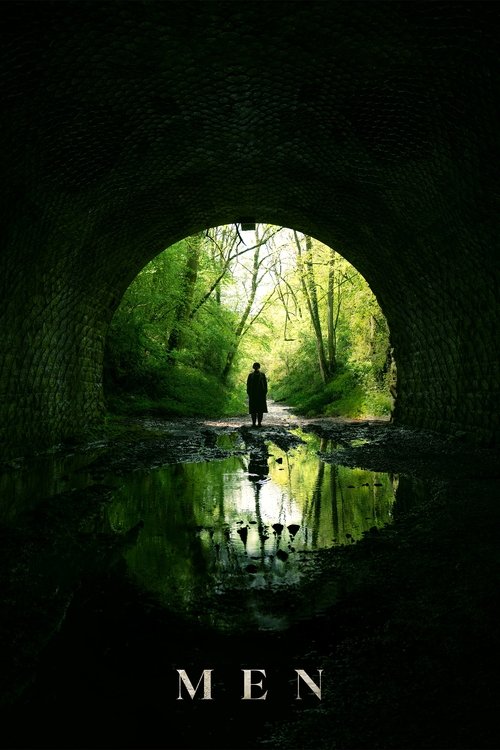
In the aftermath of a personal tragedy, Harper retreats alone to the beautiful English countryside, hoping to find a place to heal. But someone — or something — from the surrounding woods appears to be stalking her, and what begins as simmering dread becomes a fully-formed nightmare, inhabited by her darkest memories and fears.
Working with a modest budget of $6.5M, the film achieved a respectable showing with $11.2M in global revenue (+72% profit margin).
2 wins & 36 nominations


Plot Structure
Story beats plotted across runtime


Narrative Arc
Emotional journey through the story's key moments
Story Circle
Blueprint 15-beat structure
Arcplot Score Breakdown
Weighted: Precision (70%) + Arc (15%) + Theme (15%)
Men (2022) demonstrates precise plot construction, characteristic of Alex Garland's storytelling approach. This structural analysis examines how the film's 15-point plot structure maps to proven narrative frameworks across 1 hour and 40 minutes. With an Arcplot score of 7.1, the film balances conventional beats with creative variation.
Characters
Cast & narrative archetypes

Harper Marlowe
Geoffrey
The Naked Man
Vicar
The Boy
PC Frieling
James
Main Cast & Characters
Harper Marlowe
Played by Jessie Buckley
A woman retreating to the English countryside after a personal tragedy, seeking peace but finding menace.
Geoffrey
Played by Rory Kinnear
The landlord of the manor house who displays unsettling behavior and represents the first manifestation of male threat.
The Naked Man
Played by Rory Kinnear
A mysterious stalker who appears in the woods and pursues Harper, embodying primal masculine threat.
Vicar
Played by Rory Kinnear
A local priest who victim-blames Harper and represents institutional patriarchal authority.
The Boy
Played by Rory Kinnear
A young child who harasses Harper with shocking aggression, representing toxic masculinity learned early.
PC Frieling
Played by Rory Kinnear
A police officer who dismisses Harper's concerns and fails to provide protection.
James
Played by Paapa Essiedu
Harper's abusive ex-husband whose death haunts her throughout the film, seen in flashbacks.
Structural Analysis
The Status Quo at 1 minutes (1% through the runtime) establishes Harper arrives at the countryside manor seeking peace and isolation after a traumatic event, establishing her wounded emotional state.. Structural examination shows that this early placement immediately immerses viewers in the story world.
The inciting incident occurs at 13 minutes when Harper encounters a naked man in the tunnel who mimics her scream, her first disturbing encounter with the various manifestations of threatening masculinity.. At 13% through the film, this Disruption is delayed, allowing extended setup of the story world. This beat shifts the emotional landscape, launching the protagonist into the central conflict.
The First Threshold at 25 minutes marks the transition into Act II, occurring at 25% of the runtime. This indicates the protagonist's commitment to Harper decides to confront the situation rather than flee, choosing to engage with the vicar and police, committing to face whatever is happening in this village., moving from reaction to action.
At 50 minutes, the Midpoint arrives at 50% of the runtime—precisely centered, creating perfect narrative symmetry. Of particular interest, this crucial beat The young boy violently attacks Harper, and she defends herself. The stakes escalate from psychological menace to physical violence, marking the point where Harper can no longer deny the danger., fundamentally raising what's at risk. The emotional intensity shifts, dividing the narrative into clear before-and-after phases.
The Collapse moment at 75 minutes (75% through) represents the emotional nadir. Here, The naked man breaks into the house, and Harper is trapped. All escape routes are sealed. The death of her agency and safety is complete as the nightmare becomes inescapable., demonstrates the protagonist at their lowest point. This beat's placement in the final quarter sets up the climactic reversal.
The Second Threshold at 80 minutes initiates the final act resolution at 80% of the runtime. Harper stops running and confronts the final manifestation of James, refusing to accept blame or responsibility for his choices, breaking the cycle of guilt and manipulation., demonstrating the transformation achieved throughout the journey.
Emotional Journey
Men's emotional architecture traces a deliberate progression across 15 carefully calibrated beats.
Narrative Framework
This structural analysis employs proven narrative structure principles that track dramatic progression. By mapping Men against these established plot points, we can identify how Alex Garland utilizes or subverts traditional narrative conventions. The plot point approach reveals not only adherence to structural principles but also creative choices that distinguish Men within the horror genre.
Alex Garland's Structural Approach
Among the 4 Alex Garland films analyzed on Arcplot, the average structural score is 7.0, reflecting strong command of classical structure. Men represents one of the director's most structurally precise works. For comparative analysis, explore the complete Alex Garland filmography.
Comparative Analysis
Additional horror films include Thinner, A Nightmare on Elm Street and Mary Reilly. For more Alex Garland analyses, see Ex Machina, Annihilation and Civil War.
Plot Points by Act
Act I
SetupStatus Quo
Harper arrives at the countryside manor seeking peace and isolation after a traumatic event, establishing her wounded emotional state.
Theme
Geoffrey, the property owner, makes comments about the house being "yours to do with as you please," hinting at themes of autonomy, control, and projection.
Worldbuilding
Flashbacks reveal Harper's abusive marriage to James, his manipulative suicide threat, and his death. Present-day Harper explores the idyllic village and manor, establishing the rural setting and her psychological fragility.
Disruption
Harper encounters a naked man in the tunnel who mimics her scream, her first disturbing encounter with the various manifestations of threatening masculinity.
Resistance
Harper debates whether to stay or leave as the naked man appears at her home. She calls police, talks to her friend Riley, and tries to rationalize the escalating strangeness while processing her trauma.
Act II
ConfrontationFirst Threshold
Harper decides to confront the situation rather than flee, choosing to engage with the vicar and police, committing to face whatever is happening in this village.
Mirror World
The vicar suggests Harper shares responsibility for James's suicide, embodying the victim-blaming and gaslighting that mirrors her abusive marriage dynamics.
Premise
Harper encounters multiple men in the village (all played by the same actor), each representing different facets of toxic masculinity: the patronizing policeman, accusatory vicar, entitled boy. The horror premise unfolds as psychological nightmare.
Midpoint
The young boy violently attacks Harper, and she defends herself. The stakes escalate from psychological menace to physical violence, marking the point where Harper can no longer deny the danger.
Opposition
All the men close in on Harper with increasing hostility and accusation. Her attempts to reach Riley fail. The manifestations grow more aggressive, cornering her physically and psychologically in the manor.
Collapse
The naked man breaks into the house, and Harper is trapped. All escape routes are sealed. The death of her agency and safety is complete as the nightmare becomes inescapable.
Crisis
Harper experiences the darkest psychological terror as the men transform and give birth to one another in grotesque imagery, a surreal manifestation of cyclical male violence and blame.
Act III
ResolutionSecond Threshold
Harper stops running and confronts the final manifestation of James, refusing to accept blame or responsibility for his choices, breaking the cycle of guilt and manipulation.
Synthesis
Harper stands her ground against James's ghost and accusations. The surreal horror culminates and then dissipates. Riley arrives the next morning to find Harper changed.
Transformation
Harper sits calmly in the garden, bloodied but no longer running or explaining herself. She has integrated her trauma and rejected imposed guilt, transformed through confrontation.