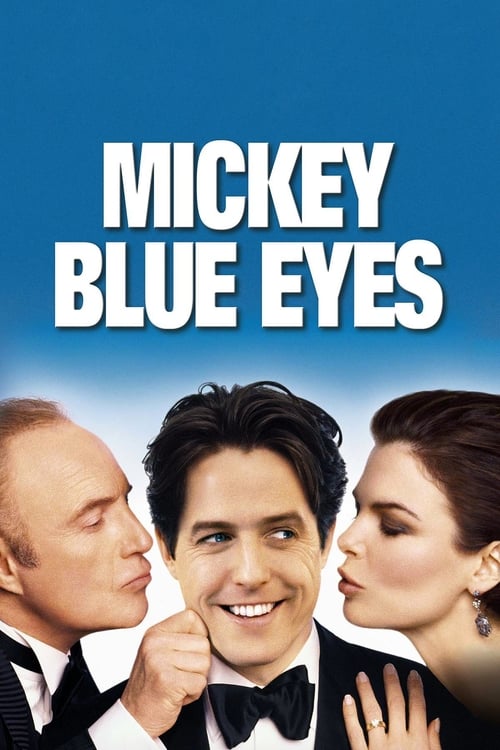
Mickey Blue Eyes
An English auctioneer proposes to the daughter of a mafia kingpin, only to realize that certain "favors" would be asked of him.
The film disappointed at the box office against its significant budget of $75.0M, earning $54.3M globally (-28% loss). While initial box office returns were modest, the film has gained appreciation for its innovative storytelling within the comedy genre.


Plot Structure
Story beats plotted across runtime


Narrative Arc
Emotional journey through the story's key moments
Story Circle
Blueprint 15-beat structure
Arcplot Score Breakdown
Weighted: Precision (70%) + Arc (15%) + Theme (15%)
Mickey Blue Eyes (1999) exhibits strategically placed narrative design, characteristic of Kelly Makin's storytelling approach. This structural analysis examines how the film's 15-point plot structure maps to proven narrative frameworks across 1 hour and 42 minutes. With an Arcplot score of 7.6, the film showcases strong structural fundamentals.
Characters
Cast & narrative archetypes

Michael Felgate
Gina Vitale
Frank Vitale
Vito Graziosi
Johnny Graziosi
FBI Agent Connell
Main Cast & Characters
Michael Felgate
Played by Hugh Grant
British art auctioneer who unwittingly becomes entangled with the mob when he proposes to his girlfriend. Fish-out-of-water protagonist forced to navigate mafia culture.
Gina Vitale
Played by Jeanne Tripplehorn
Teacher and daughter of a mob boss who loves Michael but struggles with her family's criminal lifestyle. Torn between two worlds.
Frank Vitale
Played by James Caan
Gina's father and powerful mob boss who reluctantly accepts Michael into the family. Tries to protect his daughter while maintaining his criminal empire.
Vito Graziosi
Played by Burt Young
Rival mobster and dangerous antagonist who creates conflict for the Vitale family. Violent and unpredictable threat.
Johnny Graziosi
Played by Joe Viterelli
Vito's son and hotheaded gangster who escalates tensions. Impulsive and aggressive member of rival faction.
FBI Agent Connell
Played by James Fox
Federal agent investigating the Vitale family who tries to recruit Michael as an informant. Represents the law and Michael's potential escape.
Structural Analysis
The Status Quo at 1 minutes (1% through the runtime) establishes Michael Felgate, a successful English auctioneer in New York, enjoys his orderly life running auctions and dating his girlfriend Gina. He's cultured, proper, and completely removed from anything remotely criminal.. Notably, this early placement immediately immerses viewers in the story world.
The inciting incident occurs at 12 minutes when Michael proposes to Gina at a romantic restaurant, but she turns him down and runs away crying, leaving him confused and heartbroken. His perfect plan collapses.. At 12% through the film, this Disruption aligns precisely with traditional story structure. This beat shifts the emotional landscape, launching the protagonist into the central conflict.
The First Threshold at 26 minutes marks the transition into Act II, occurring at 25% of the runtime. This shows the protagonist's commitment to Michael decides to fully commit to marrying Gina despite her mob family. He actively chooses to enter their world, accepting an engagement dinner with the whole Vitale family., moving from reaction to action.
At 51 minutes, the Midpoint arrives at 50% of the runtime—precisely centered, creating perfect narrative symmetry. The analysis reveals that this crucial beat Michael witnesses a murder at the auction house when a mob deal goes wrong. The stakes escalate from comedy to real danger - this isn't a game anymore. He's in too deep and there's no easy way out., fundamentally raising what's at risk. The emotional intensity shifts, dividing the narrative into clear before-and-after phases.
The Collapse moment at 77 minutes (75% through) represents the emotional nadir. Here, Gina breaks off the engagement, devastated by Michael's lies and involvement with her family's criminal world. Michael loses everything - his love, his integrity, his identity. He's alone, compromised, and trapped., shows the protagonist at their lowest point. This beat's placement in the final quarter sets up the climactic reversal.
The Second Threshold at 82 minutes initiates the final act resolution at 80% of the runtime. Michael devises a plan to fake his own death to escape the mob and the FBI, using his knowledge of both worlds. He synthesizes his auction house expertise with what he's learned about the mob to orchestrate his exit., demonstrating the transformation achieved throughout the journey.
Emotional Journey
Mickey Blue Eyes's emotional architecture traces a deliberate progression across 15 carefully calibrated beats.
Narrative Framework
This structural analysis employs a 15-point narrative structure framework that maps key story moments. By mapping Mickey Blue Eyes against these established plot points, we can identify how Kelly Makin utilizes or subverts traditional narrative conventions. The plot point approach reveals not only adherence to structural principles but also creative choices that distinguish Mickey Blue Eyes within the comedy genre.
Comparative Analysis
Additional comedy films include The Bad Guys, Ella Enchanted and The Evening Star.
Plot Points by Act
Act I
SetupStatus Quo
Michael Felgate, a successful English auctioneer in New York, enjoys his orderly life running auctions and dating his girlfriend Gina. He's cultured, proper, and completely removed from anything remotely criminal.
Theme
Gina hints at family complications, suggesting "You can't choose your family" - establishing the theme about accepting people and their backgrounds, even when they don't fit your world.
Worldbuilding
Michael's refined world is established: his auction house, his proper British manners, his relationship with Gina. We see he's planning to propose and wants everything perfect.
Disruption
Michael proposes to Gina at a romantic restaurant, but she turns him down and runs away crying, leaving him confused and heartbroken. His perfect plan collapses.
Resistance
Gina reveals her father Frank Vitale is a mob boss. Michael meets the family and is drawn into their world. He debates whether love is worth entering this dangerous, alien territory. Frank takes a liking to Michael but the tension builds.
Act II
ConfrontationFirst Threshold
Michael decides to fully commit to marrying Gina despite her mob family. He actively chooses to enter their world, accepting an engagement dinner with the whole Vitale family.
Mirror World
Michael bonds with Frank Vitale, who represents a different world and value system. Frank embodies loyalty and family above all - the thematic mirror to Michael's proper, rule-following world.
Premise
The "fun and games" of Michael pretending to be mobster "Mickey Blue Eyes" - learning mob speak, getting pulled into laundering money through art sales, fumbling through mob etiquette. Fish-out-of-water comedy at its peak.
Midpoint
Michael witnesses a murder at the auction house when a mob deal goes wrong. The stakes escalate from comedy to real danger - this isn't a game anymore. He's in too deep and there's no easy way out.
Opposition
The FBI investigates Michael. Gina discovers the extent of his involvement with her family's crimes. The wedding plans fall apart. Both the mob and the law close in on him. His relationship with Gina deteriorates.
Collapse
Gina breaks off the engagement, devastated by Michael's lies and involvement with her family's criminal world. Michael loses everything - his love, his integrity, his identity. He's alone, compromised, and trapped.
Crisis
Michael hits bottom, realizing he's become exactly what he never wanted to be. He must confront whether he can find a way to be honest and still bridge both worlds.
Act III
ResolutionSecond Threshold
Michael devises a plan to fake his own death to escape the mob and the FBI, using his knowledge of both worlds. He synthesizes his auction house expertise with what he's learned about the mob to orchestrate his exit.
Synthesis
Michael executes the fake death scheme. The plan works, freeing him from both the FBI and mob obligations. He reconciles with Gina, proving his love and honesty. Frank accepts Michael for who he truly is.
Transformation
Michael and Gina marry in a small, honest ceremony. Michael has learned to accept imperfection and blend his world with Gina's family, no longer the rigid Englishman from the opening. He's found authenticity through compromise.