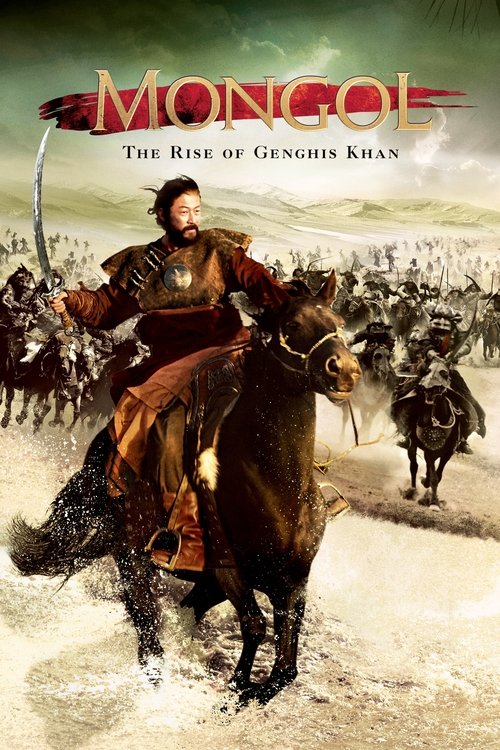
Mongol: The Rise of Genghis Khan
The story recounts the early life of Genghis Khan, a slave who went on to conquer half the world in the 11th century.
Working with a mid-range budget of $18.0M, the film achieved a respectable showing with $26.5M in global revenue (+47% profit margin).
Nominated for 1 Oscar. 16 wins & 13 nominations


Plot Structure
Story beats plotted across runtime


Narrative Arc
Emotional journey through the story's key moments
Story Circle
Blueprint 15-beat structure
Arcplot Score Breakdown
Weighted: Precision (70%) + Arc (15%) + Theme (15%)
Mongol: The Rise of Genghis Khan (2007) showcases precise narrative design, characteristic of Sergei Bodrov's storytelling approach. This structural analysis examines how the film's 15-point plot structure maps to proven narrative frameworks across 2 hours and 5 minutes. With an Arcplot score of 7.4, the film balances conventional beats with creative variation.
Characters
Cast & narrative archetypes

Temüjin (Genghis Khan)
Börte
Jamukha
Targutai
Main Cast & Characters
Temüjin (Genghis Khan)
Played by Tadanobu Asano
A Mongol warrior who rises from slavery and betrayal to unite the tribes and become the legendary Genghis Khan.
Börte
Played by Khulan Chuluun
Temüjin's devoted wife who endures captivity and hardship while remaining his anchor and source of strength.
Jamukha
Played by Honglei Sun
Temüjin's blood brother and closest friend who becomes his greatest rival and enemy in the struggle for power.
Targutai
Played by Amadu Mamadakov
The Merkit leader who enslaves young Temüjin and becomes a recurring antagonist seeking revenge.
Structural Analysis
The Status Quo at 1 minutes (1% through the runtime) establishes Nine-year-old Temüdgin rides across the Mongolian steppe with his father Yesügei to choose a bride from another tribe, establishing the world of tribal alliances and childhood innocence before violence reshapes his life.. The analysis reveals that this early placement immediately immerses viewers in the story world.
The inciting incident occurs at 14 minutes when Targutai, rival clan leader, murders Temüdgin's father and enslaves the boy, putting him in wooden neck stocks. The catalyst transforms him from a khan's son to a slave, setting his journey in motion.. At 11% through the film, this Disruption aligns precisely with traditional story structure. This beat shifts the emotional landscape, launching the protagonist into the central conflict.
The First Threshold at 30 minutes marks the transition into Act II, occurring at 24% of the runtime. This indicates the protagonist's commitment to Temüdgin actively chooses to marry Börte and claim his destiny rather than remain in hiding. This decision to step into leadership makes him visible to enemies and commits him to the path of becoming khan., moving from reaction to action.
At 63 minutes, the Midpoint arrives at 50% of the runtime—precisely centered, creating perfect narrative symmetry. Notably, this crucial beat False defeat: Temüdgin is betrayed and captured by his blood brother Jamukha, who has allied with Targutai. He is imprisoned in a wooden cage, seemingly returned to slavery. Stakes are raised as he now faces execution., fundamentally raising what's at risk. The emotional intensity shifts, dividing the narrative into clear before-and-after phases.
The Collapse moment at 92 minutes (73% through) represents the emotional nadir. Here, Temüdgin learns that during his years of captivity, Börte has been forced to survive alone, his people scattered, and Jamukha has grown powerful. Everything he built is lost. The "whiff of death" is the death of his dream and his role as protector., illustrates the protagonist at their lowest point. This beat's placement in the final quarter sets up the climactic reversal.
The Second Threshold at 99 minutes initiates the final act resolution at 79% of the runtime. Temüdgin reunites with Börte and his surviving followers who have remained loyal. The synthesis of the monk's wisdom (strategic patience) with his original fierce spirit gives him the clarity to unite the tribes through both strength and mercy., demonstrating the transformation achieved throughout the journey.
Emotional Journey
Mongol: The Rise of Genghis Khan's emotional architecture traces a deliberate progression across 15 carefully calibrated beats.
Narrative Framework
This structural analysis employs proven narrative structure principles that track dramatic progression. By mapping Mongol: The Rise of Genghis Khan against these established plot points, we can identify how Sergei Bodrov utilizes or subverts traditional narrative conventions. The plot point approach reveals not only adherence to structural principles but also creative choices that distinguish Mongol: The Rise of Genghis Khan within the history genre.
Comparative Analysis
Additional history films include The Attacks Of 26/11, Joyeux Noel and Rob Roy.
Plot Points by Act
Act I
SetupStatus Quo
Nine-year-old Temüdgin rides across the Mongolian steppe with his father Yesügei to choose a bride from another tribe, establishing the world of tribal alliances and childhood innocence before violence reshapes his life.
Theme
Yesügei tells young Temüdgin: "A man can be a slave, in body or in spirit. Free men choose their own path." This statement of personal agency despite circumstances becomes the film's thematic core.
Worldbuilding
Establishment of tribal world, customs, and power structures. Temüdgin meets and chooses Börte as his future wife, showing early independence. His father's murder by Tartars orphans him and destroys his status.
Disruption
Targutai, rival clan leader, murders Temüdgin's father and enslaves the boy, putting him in wooden neck stocks. The catalyst transforms him from a khan's son to a slave, setting his journey in motion.
Resistance
Years of enslavement where Temüdgin refuses to submit spiritually despite physical bondage. He escapes, reconnects with Börte, and begins gathering loyal followers including his blood brother Jamukha. Period of learning survival and leadership.
Act II
ConfrontationFirst Threshold
Temüdgin actively chooses to marry Börte and claim his destiny rather than remain in hiding. This decision to step into leadership makes him visible to enemies and commits him to the path of becoming khan.
Mirror World
Börte is kidnapped by Merkits in revenge for an old tribal grievance. This relationship subplot carries the theme of loyalty and the cost of power, testing what Temüdgin will sacrifice for those he loves.
Premise
Temüdgin builds his army, rescues Börte (now pregnant by her captors), and begins his rise as a military leader. Battles, strategic victories, and the promise of the premise: watching a slave become a conqueror through tactical brilliance and loyalty.
Midpoint
False defeat: Temüdgin is betrayed and captured by his blood brother Jamukha, who has allied with Targutai. He is imprisoned in a wooden cage, seemingly returned to slavery. Stakes are raised as he now faces execution.
Opposition
Years of imprisonment in China where Temüdgin is enslaved again, this time by a foreign power. The opposition intensifies as he seems further from his goal than ever, yet he learns Buddhist philosophy and strategic patience from a monk.
Collapse
Temüdgin learns that during his years of captivity, Börte has been forced to survive alone, his people scattered, and Jamukha has grown powerful. Everything he built is lost. The "whiff of death" is the death of his dream and his role as protector.
Crisis
Emotional processing as Temüdgin escapes Chinese captivity and returns to Mongolia to find his world transformed. Dark night of doubt about whether his path of loyalty and honor can succeed against betrayal and power politics.
Act III
ResolutionSecond Threshold
Temüdgin reunites with Börte and his surviving followers who have remained loyal. The synthesis of the monk's wisdom (strategic patience) with his original fierce spirit gives him the clarity to unite the tribes through both strength and mercy.
Synthesis
The finale: Temüdgin defeats Targutai and faces Jamukha in final battle. He demonstrates his evolved leadership by offering mercy to enemies who submit and uniting tribes under a new code. The execution of his vision for a unified Mongolia.
Transformation
Temüdgin is proclaimed Genghis Khan by the assembled tribes. Where the opening showed a child choosing a bride under his father's shadow, the closing shows a man who has transformed suffering into wisdom, creating an empire from loyalty rather than fear.