Monster Family
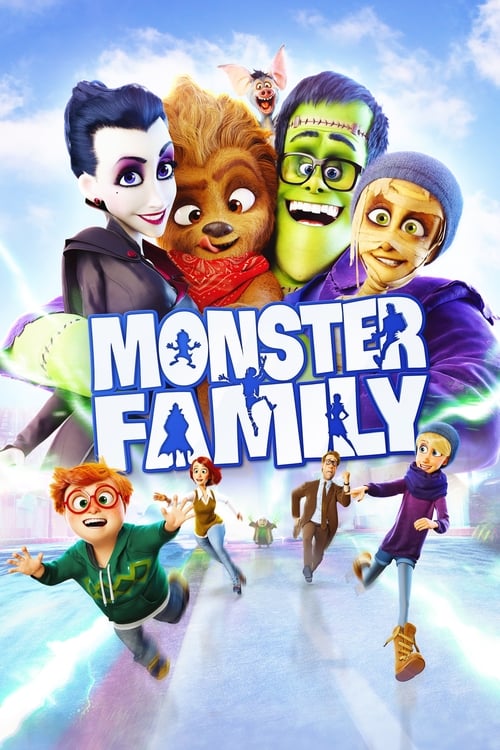
The Wishbone family are far from happy. In an attempt to reconnect as a family, they plan a fun night out. However, the plan backfires when they are cursed and all turned into Monsters.
The film earned $29.2M at the global box office.


Plot Structure
Story beats plotted across runtime


Narrative Arc
Emotional journey through the story's key moments
Story Circle
Blueprint 15-beat structure
Arcplot Score Breakdown
Weighted: Precision (70%) + Arc (15%) + Theme (15%)
Monster Family (2017) reveals deliberately positioned dramatic framework, characteristic of Holger Tappe's storytelling approach. This structural analysis examines how the film's 15-point plot structure maps to proven narrative frameworks across 1 hour and 33 minutes. With an Arcplot score of 6.8, the film balances conventional beats with creative variation.
Characters
Cast & narrative archetypes

Emma Wishbone
Frank Wishbone
Fay Wishbone
Max Wishbone
Baba Yaga
Dracula
Main Cast & Characters
Emma Wishbone
Played by Emily Watson
An overworked real estate agent and mother who becomes a vampire, leading her family through a monstrous transformation to save them from a witch's curse.
Frank Wishbone
Played by Jason Isaacs
Emma's husband, a timid and tech-obsessed father who transforms into Frankenstein's monster and discovers courage through the ordeal.
Fay Wishbone
Played by Jessica Brown Findlay
The teenage daughter who becomes a mummy, initially self-absorbed but learns to appreciate her family through their shared crisis.
Max Wishbone
Played by Ethan Rouse
The young son who transforms into a werewolf, enthusiastic and energetic, finding confidence in his monstrous form.
Baba Yaga
Played by Catherine Tate
An ancient and powerful witch seeking revenge, she curses the Wishbone family and serves as the primary antagonist.
Dracula
Played by Nick Frost
The legendary vampire who reluctantly helps the Wishbone family, serving as a guide and mentor through the monster world.
Structural Analysis
The Status Quo at 1 minutes (1% through the runtime) establishes The dysfunctional Wishbone family is introduced: workaholic father Frank, neglected wife Emma, rebellious daughter Fay, and video game-obsessed son Max. They are disconnected and barely communicate with each other.. The analysis reveals that this early placement immediately immerses viewers in the story world.
The inciting incident occurs at 12 minutes when At Dracula's castle costume party, the family is cursed by the witch Baba Yaga. They are transformed into monsters: Frank becomes Frankenstein's monster, Emma a vampire, Fay a mummy, and Max a werewolf. Their ordinary life is shattered.. At 13% through the film, this Disruption is delayed, allowing extended setup of the story world. This beat shifts the emotional landscape, launching the protagonist into the central conflict.
The First Threshold at 24 minutes marks the transition into Act II, occurring at 25% of the runtime. This reveals the protagonist's commitment to The Wishbone family makes the active choice to embark on a quest together to find the magic amulet and break the curse. They leave the safety of hiding and commit to working as a team to save themselves., moving from reaction to action.
At 47 minutes, the Midpoint arrives at 50% of the runtime—precisely centered, creating perfect narrative symmetry. Notably, this crucial beat The family successfully retrieves the amulet and believes they've won. This false victory moment shows them bonding and celebrating together, but they don't realize that Baba Yaga and Dracula are closing in to steal it back., fundamentally raising what's at risk. The emotional intensity shifts, dividing the narrative into clear before-and-after phases.
The Collapse moment at 70 minutes (75% through) represents the emotional nadir. Here, The amulet is stolen by Baba Yaga and Dracula. The family's hope of returning to normal is destroyed, and they face the prospect of remaining monsters forever. Their brief unity collapses as they blame each other for the failure., shows the protagonist at their lowest point. This beat's placement in the final quarter sets up the climactic reversal.
The Second Threshold at 74 minutes initiates the final act resolution at 80% of the runtime. The family realizes that being together as a united family is more important than being human. They choose to fight back not to reverse the curse, but to save each other and stop the villains. This realization gives them new strength and purpose., demonstrating the transformation achieved throughout the journey.
Emotional Journey
Monster Family's emotional architecture traces a deliberate progression across 15 carefully calibrated beats.
Narrative Framework
This structural analysis employs a 15-point narrative structure framework that maps key story moments. By mapping Monster Family against these established plot points, we can identify how Holger Tappe utilizes or subverts traditional narrative conventions. The plot point approach reveals not only adherence to structural principles but also creative choices that distinguish Monster Family within the animation genre.
Holger Tappe's Structural Approach
Among the 2 Holger Tappe films analyzed on Arcplot, the average structural score is 7.1, reflecting strong command of classical structure. Monster Family takes a more unconventional approach compared to the director's typical style. For comparative analysis, explore the complete Holger Tappe filmography.
Comparative Analysis
Additional animation films include The Bad Guys, Puss in Boots and Violet Evergarden: Eternity and the Auto Memory Doll. For more Holger Tappe analyses, see Monster Family 2.
Plot Points by Act
Act I
SetupStatus Quo
The dysfunctional Wishbone family is introduced: workaholic father Frank, neglected wife Emma, rebellious daughter Fay, and video game-obsessed son Max. They are disconnected and barely communicate with each other.
Theme
Emma expresses her longing for the family to be closer, suggesting that being together and supporting each other is what truly matters. The theme of family unity is established.
Worldbuilding
The Wishbone family's fractured relationships are established. Frank is obsessed with work and a business deal, Emma feels invisible and unappreciated, Fay is angry and distant, and Max retreats into his video games. They receive an invitation to a costume party at Dracula's castle.
Disruption
At Dracula's castle costume party, the family is cursed by the witch Baba Yaga. They are transformed into monsters: Frank becomes Frankenstein's monster, Emma a vampire, Fay a mummy, and Max a werewolf. Their ordinary life is shattered.
Resistance
The family debates what to do about their monstrous transformations. They learn from Dracula's servant Renfield that they must find a magic amulet to reverse the curse before it becomes permanent at sunrise. Initial resistance gives way to reluctant cooperation.
Act II
ConfrontationFirst Threshold
The Wishbone family makes the active choice to embark on a quest together to find the magic amulet and break the curse. They leave the safety of hiding and commit to working as a team to save themselves.
Mirror World
The family begins to discover that their monstrous forms give them unique abilities, and they start working together in ways they never did as humans. Their forced cooperation begins to rebuild their relationships.
Premise
The fun of being monsters: the family embarks on their adventure, using their new monster abilities to overcome obstacles. They face challenges, have comedic mishaps, and gradually start appreciating each other's strengths as they search for the amulet.
Midpoint
The family successfully retrieves the amulet and believes they've won. This false victory moment shows them bonding and celebrating together, but they don't realize that Baba Yaga and Dracula are closing in to steal it back.
Opposition
Baba Yaga and Dracula pursue the family relentlessly to reclaim the amulet. The family's old patterns of blame and dysfunction resurface under pressure. They argue and struggle to maintain their newfound unity as the stakes escalate and time runs out.
Collapse
The amulet is stolen by Baba Yaga and Dracula. The family's hope of returning to normal is destroyed, and they face the prospect of remaining monsters forever. Their brief unity collapses as they blame each other for the failure.
Crisis
The family experiences their darkest emotional moment, confronting the reality that they may be stuck as monsters forever. They reflect on how they've failed each other, but also on how the adventure has brought them closer than they've been in years.
Act III
ResolutionSecond Threshold
The family realizes that being together as a united family is more important than being human. They choose to fight back not to reverse the curse, but to save each other and stop the villains. This realization gives them new strength and purpose.
Synthesis
The family launches their final assault on Dracula's castle, combining their individual monster abilities and working as a perfect team. They use everything they've learned about cooperation and love to defeat Baba Yaga and Dracula and reclaim the amulet.
Transformation
The family returns to human form, but they are transformed internally. They now communicate openly, support each other, and function as a loving unit. The closing image mirrors the opening but shows a connected, happy family instead of a dysfunctional one.