
More American Graffiti
Told in four different New Year's Eves in the mid 1960s, John, Terry, Debbie, Steve and Laurie deal with adulthood, the Vietnam war, peace rallies, and relationships.
Despite its limited budget of $2.5M, More American Graffiti became a commercial juggernaut, earning $15.0M worldwide—a remarkable 500% return. The film's bold vision connected with viewers, confirming that strong storytelling can transcend budget limitations.


Plot Structure
Story beats plotted across runtime


Narrative Arc
Emotional journey through the story's key moments
Story Circle
Blueprint 15-beat structure
Arcplot Score Breakdown
Weighted: Precision (70%) + Arc (15%) + Theme (15%)
More American Graffiti (1979) reveals meticulously timed plot construction, characteristic of Bill L. Norton's storytelling approach. This structural analysis examines how the film's 15-point plot structure maps to proven narrative frameworks across 1 hour and 50 minutes. With an Arcplot score of 7.0, the film balances conventional beats with creative variation.
Characters
Cast & narrative archetypes
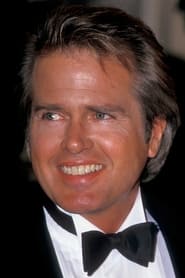
John Milner
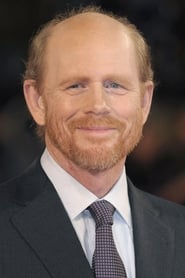
Steve Bolander
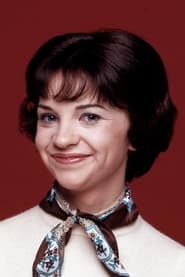
Laurie Henderson

Debbie Dunham

Terry Fields

Carol Morrison
Main Cast & Characters
John Milner
Played by Paul Le Mat
The drag racer now serving in Vietnam, struggling with the chaos of war
Steve Bolander
Played by Ron Howard
College student dealing with anti-war protests and his relationship with Laurie
Laurie Henderson
Played by Cindy Williams
Steve's girlfriend navigating her own identity amidst the counterculture movement
Debbie Dunham
Played by Candy Clark
Terry's free-spirited wife dealing with domesticity and the hippie scene
Terry Fields
Played by Charles Martin Smith
The anxious former Toad now married with a child, struggling with responsibility
Carol Morrison
Played by Mackenzie Phillips
Now a young woman dealing with her own rebellious streak and identity
Structural Analysis
The Status Quo at 1 minutes (1% through the runtime) establishes Opening montage establishes the four characters in their separate timelines: John racing dragsters (1964), Steve in college protests (1967), Debbie as a hippie (1967), and Toad in Vietnam (1965). Each represents a different path following their innocent 1962 beginnings.. Of particular interest, this early placement immediately immerses viewers in the story world.
The inciting incident occurs at 13 minutes when Each character faces their inciting incident: John's racing ambitions are challenged by a rival, Steve's relationship with his girlfriend deteriorates amid protest violence, Debbie discovers her boyfriend's infidelity, and Toad's unit comes under enemy fire. The old world of American Graffiti is definitively shattered.. At 12% through the film, this Disruption aligns precisely with traditional story structure. This beat shifts the emotional landscape, launching the protagonist into the central conflict.
The First Threshold at 28 minutes marks the transition into Act II, occurring at 25% of the runtime. This indicates the protagonist's commitment to Each protagonist makes their choice to commit: John decides to race in the big championship despite the risks, Steve fully commits to the anti-war movement, Debbie chooses to assert her independence, and Toad decides to fight for survival and his fellow soldiers rather than just follow orders., moving from reaction to action.
At 55 minutes, the Midpoint arrives at 50% of the runtime—precisely centered, creating perfect narrative symmetry. Significantly, this crucial beat False defeat across all timelines: John crashes during a crucial race, Steve is brutally beaten by police during a protest, Debbie's relationship completely falls apart, and Toad's position is overrun with heavy casualties. The stakes become life-and-death real, and the innocence is completely gone., fundamentally raising what's at risk. The emotional intensity shifts, dividing the narrative into clear before-and-after phases.
The Collapse moment at 83 minutes (75% through) represents the emotional nadir. Here, All Is Lost moment: John's racing career appears finished with catastrophic vehicle damage, Steve witnesses a friend killed in protest violence, Debbie hits rock bottom emotionally, and Toad is severely wounded in combat with his survival uncertain. The "whiff of death" permeates all four timelines., indicates the protagonist at their lowest point. This beat's placement in the final quarter sets up the climactic reversal.
The Second Threshold at 88 minutes initiates the final act resolution at 80% of the runtime. Synthesis and realization: John understands racing isn't about winning but the passion itself, Steve realizes personal connection matters more than ideology, Debbie discovers her own strength independent of any scene, and Toad finds the will to survive by embracing his bonds with fellow soldiers., demonstrating the transformation achieved throughout the journey.
Emotional Journey
More American Graffiti's emotional architecture traces a deliberate progression across 15 carefully calibrated beats.
Narrative Framework
This structural analysis employs structural analysis methodology used to understand storytelling architecture. By mapping More American Graffiti against these established plot points, we can identify how Bill L. Norton utilizes or subverts traditional narrative conventions. The plot point approach reveals not only adherence to structural principles but also creative choices that distinguish More American Graffiti within the comedy genre.
Comparative Analysis
Additional comedy films include The Bad Guys, Ella Enchanted and The Evening Star.
Plot Points by Act
Act I
SetupStatus Quo
Opening montage establishes the four characters in their separate timelines: John racing dragsters (1964), Steve in college protests (1967), Debbie as a hippie (1967), and Toad in Vietnam (1965). Each represents a different path following their innocent 1962 beginnings.
Theme
A character observes that "everything's changed" since their high school days. This establishes the central theme: the loss of innocence as America transitions from the optimistic early 60s through the turbulent mid-to-late 60s.
Worldbuilding
The four parallel storylines are established with their distinct visual styles and tones. John pursues drag racing glory in Iceland, Steve faces academic and romantic tensions at Berkeley, Debbie navigates hippie culture in San Francisco, and Toad experiences the chaos of Vietnam on New Year's Eve across different years.
Disruption
Each character faces their inciting incident: John's racing ambitions are challenged by a rival, Steve's relationship with his girlfriend deteriorates amid protest violence, Debbie discovers her boyfriend's infidelity, and Toad's unit comes under enemy fire. The old world of American Graffiti is definitively shattered.
Resistance
Each character debates their path forward. John considers giving up racing, Steve wrestles with his political commitments versus his relationship, Debbie questions her hippie lifestyle choices, and Toad must decide whether to follow orders or survive by his own instincts in combat.
Act II
ConfrontationFirst Threshold
Each protagonist makes their choice to commit: John decides to race in the big championship despite the risks, Steve fully commits to the anti-war movement, Debbie chooses to assert her independence, and Toad decides to fight for survival and his fellow soldiers rather than just follow orders.
Mirror World
Each character encounters a relationship that reflects their thematic journey: John connects with his racing crew as family, Steve deepens his bond with fellow protesters, Debbie forms genuine friendships with other women, and Toad bonds with his fellow soldiers, finding brotherhood in chaos.
Premise
The "fun and games" of each timeline: exhilarating drag races in Iceland, protest marches and ideological debates at Berkeley, hippie parties and cultural exploration in San Francisco, and intense combat sequences in Vietnam. Each storyline delivers its promised genre experience.
Midpoint
False defeat across all timelines: John crashes during a crucial race, Steve is brutally beaten by police during a protest, Debbie's relationship completely falls apart, and Toad's position is overrun with heavy casualties. The stakes become life-and-death real, and the innocence is completely gone.
Opposition
Pressure intensifies in each storyline. John faces mechanical failures and rivals closing in, Steve deals with increasing violence and the fracturing of the movement, Debbie confronts the dark side of the counterculture, and Toad faces increasingly desperate combat situations as the enemy closes in.
Collapse
All Is Lost moment: John's racing career appears finished with catastrophic vehicle damage, Steve witnesses a friend killed in protest violence, Debbie hits rock bottom emotionally, and Toad is severely wounded in combat with his survival uncertain. The "whiff of death" permeates all four timelines.
Crisis
Dark night of the soul: Each character processes their loss and confronts who they've become. The idealistic teenagers from 1962 are gone forever, replaced by adults shaped by racing culture, political violence, counterculture disillusionment, and war trauma.
Act III
ResolutionSecond Threshold
Synthesis and realization: John understands racing isn't about winning but the passion itself, Steve realizes personal connection matters more than ideology, Debbie discovers her own strength independent of any scene, and Toad finds the will to survive by embracing his bonds with fellow soldiers.
Synthesis
The finale sequences: John races one final time with pure joy regardless of outcome, Steve reconnects with his girlfriend and finds balance between conviction and love, Debbie takes control of her life direction, and Toad fights his way to a rescue helicopter, surviving against all odds.
Transformation
Final images mirror the opening but show transformation: John at peace with who he is, Steve changed by political awakening, Debbie independent and self-possessed, and Toad forever marked by war. The innocent cruisers of 1962 have become the complex adults of the late 1960s, shaped by their era.