Mortal Kombat
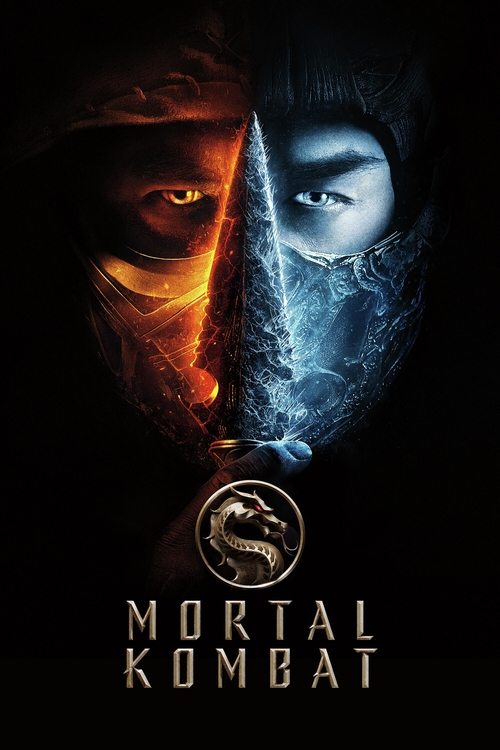
Washed-up MMA fighter Cole Young, unaware of his heritage, and hunted by Emperor Shang Tsung's best warrior, Sub-Zero, seeks out and trains with Earth's greatest champions as he prepares to stand against the enemies of Outworld in a high stakes battle for the universe.
Despite a respectable budget of $20.0M, Mortal Kombat became a solid performer, earning $84.4M worldwide—a 322% return.
4 wins & 10 nominations


Plot Structure
Story beats plotted across runtime


Narrative Arc
Emotional journey through the story's key moments
Story Circle
Blueprint 15-beat structure
Arcplot Score Breakdown
Weighted: Precision (70%) + Arc (15%) + Theme (15%)
Mortal Kombat (2021) reveals meticulously timed narrative architecture, characteristic of Simon McQuoid's storytelling approach. This structural analysis examines how the film's 15-point plot structure maps to proven narrative frameworks across 1 hour and 50 minutes. With an Arcplot score of 7.5, the film showcases strong structural fundamentals.
Characters
Cast & narrative archetypes

Cole Young
Liu Kang
Sonya Blade
Kano
Jax Briggs
Raiden
Sub-Zero
Scorpion
Kung Lao
Shang Tsung
Main Cast & Characters
Cole Young
Played by Lewis Tan
An MMA fighter with a mysterious dragon mark who discovers his destiny as an Earthrealm champion.
Liu Kang
Played by Ludi Lin
A powerful Earthrealm warrior with fire abilities who serves as a mentor and guide to new fighters.
Sonya Blade
Played by Jessica McNamee
A Special Forces agent obsessed with investigating the tournament and destroying the enemy.
Kano
Played by Josh Lawson
A crude Australian mercenary with a cybernetic eye who fights primarily for self-interest.
Jax Briggs
Played by Mehcad Brooks
Sonya's partner and mentor, a military officer who loses his arms to Sub-Zero and receives cybernetic replacements.
Raiden
Played by Tadanobu Asano
The immortal thunder god and protector of Earthrealm who oversees the training of champions.
Sub-Zero
Played by Joe Taslim
A cryomancer assassin from Outworld who seeks to eliminate Earthrealm's champions before the tournament.
Scorpion
Played by Hiroyuki Sanada
A vengeful specter seeking revenge against Sub-Zero for the murder of his family centuries ago.
Kung Lao
Played by Max Huang
A skilled warrior and descendant of the Great Kung Lao, known for his razor-edged hat weapon.
Shang Tsung
Played by Chin Han
The sorcerer leader of Outworld who orchestrates assassinations to ensure victory before the tournament.
Structural Analysis
The Status Quo at 1 minutes (1% through the runtime) establishes 1617 Japan: Hanzo Hasashi lives peacefully with his family as a farmer and skilled warrior, unaware of the coming tragedy.. The analysis reveals that this early placement immediately immerses viewers in the story world.
The inciting incident occurs at 13 minutes when Sub-Zero attacks Cole and his family at the gym. Cole discovers he's being hunted by otherworldly assassins and that the dragon mark makes him a target.. At 11% through the film, this Disruption aligns precisely with traditional story structure. This beat shifts the emotional landscape, launching the protagonist into the central conflict.
The First Threshold at 28 minutes marks the transition into Act II, occurring at 26% of the runtime. This demonstrates the protagonist's commitment to Cole chooses to travel through the portal to Raiden's temple with Sonya and Kano, actively committing to train for Mortal Kombat to protect his family and Earthrealm., moving from reaction to action.
At 56 minutes, the Midpoint arrives at 50% of the runtime—precisely centered, creating perfect narrative symmetry. The analysis reveals that this crucial beat Kano betrays the team to Shang Tsung. The Outworld forces attack Raiden's temple directly. The rules change - this is no longer about a formal tournament but survival. Kung Lao is killed by Shang Tsung, raising the stakes dramatically., fundamentally raising what's at risk. The emotional intensity shifts, dividing the narrative into clear before-and-after phases.
The Collapse moment at 83 minutes (75% through) represents the emotional nadir. Here, Sub-Zero corners Cole's family. Cole faces Sub-Zero alone without his arcana, completely outmatched. He is brutally beaten and frozen, facing certain death. This is his lowest point - he cannot protect his family, the very reason he entered this fight., reveals the protagonist at their lowest point. This beat's placement in the final quarter sets up the climactic reversal.
The Second Threshold at 88 minutes initiates the final act resolution at 80% of the runtime. Cole realizes his arcana isn't about offense - it's about protection (armor). He understands his purpose: protecting family/others, not just fighting for himself. His arcana activates, manifesting as golden armor. Scorpion/Hanzo arrives, revealed as Cole's ancestor, providing the key revelation about bloodline and legacy., demonstrating the transformation achieved throughout the journey.
Emotional Journey
Mortal Kombat's emotional architecture traces a deliberate progression across 15 carefully calibrated beats.
Narrative Framework
This structural analysis employs proven narrative structure principles that track dramatic progression. By mapping Mortal Kombat against these established plot points, we can identify how Simon McQuoid utilizes or subverts traditional narrative conventions. The plot point approach reveals not only adherence to structural principles but also creative choices that distinguish Mortal Kombat within the action genre.
Comparative Analysis
Additional action films include The Bad Guys, Puss in Boots and Venom: The Last Dance.
Plot Points by Act
Act I
SetupStatus Quo
1617 Japan: Hanzo Hasashi lives peacefully with his family as a farmer and skilled warrior, unaware of the coming tragedy.
Theme
Bi-Han/Sub-Zero confronts Hanzo: "Your blood line ends here." The theme of legacy, bloodlines, and fighting for family is established.
Worldbuilding
Opening prologue shows Hanzo's massacre and transformation into Scorpion. Jump to present day: Cole Young is an MMA fighter with a mysterious dragon birthmark, struggling to provide for his family while dealing with mysterious powers he doesn't understand.
Disruption
Sub-Zero attacks Cole and his family at the gym. Cole discovers he's being hunted by otherworldly assassins and that the dragon mark makes him a target.
Resistance
Jax rescues Cole and tells him about Mortal Kombat, Outworld, and the tournament. Cole debates whether to leave his family to seek Sonya Blade. He finds Sonya and Kano, who explain the tournament, realms, and the dragon mark's significance. Cole resists the call to adventure.
Act II
ConfrontationFirst Threshold
Cole chooses to travel through the portal to Raiden's temple with Sonya and Kano, actively committing to train for Mortal Kombat to protect his family and Earthrealm.
Mirror World
Cole meets Liu Kang and Kung Lao at Raiden's temple. Liu Kang becomes his mentor and thematic mirror, representing what Cole can become: a champion who has unlocked his arcana through understanding his purpose.
Premise
Training montage at Raiden's temple. Cole struggles to unlock his arcana while other champions (Kano, Sonya) train. The team explores their powers. Kano unlocks his eye laser. The group bonds and prepares for the tournament, delivering the "promise of the premise" with martial arts action and supernatural abilities.
Midpoint
Kano betrays the team to Shang Tsung. The Outworld forces attack Raiden's temple directly. The rules change - this is no longer about a formal tournament but survival. Kung Lao is killed by Shang Tsung, raising the stakes dramatically.
Opposition
The champions scatter and are hunted individually by Outworld assassins. Cole still cannot access his arcana. Sonya kills Kano and gains his dragon mark. The team regroups but faces overwhelming opposition from Sub-Zero, Mileena, Reiko, and other Outworld warriors.
Collapse
Sub-Zero corners Cole's family. Cole faces Sub-Zero alone without his arcana, completely outmatched. He is brutally beaten and frozen, facing certain death. This is his lowest point - he cannot protect his family, the very reason he entered this fight.
Crisis
Cole lies dying in the ice, experiencing his dark night of the soul. He reflects on his purpose and legacy - the same themes introduced in the prologue with Hanzo.
Act III
ResolutionSecond Threshold
Cole realizes his arcana isn't about offense - it's about protection (armor). He understands his purpose: protecting family/others, not just fighting for himself. His arcana activates, manifesting as golden armor. Scorpion/Hanzo arrives, revealed as Cole's ancestor, providing the key revelation about bloodline and legacy.
Synthesis
Cole, armored with his arcana and aided by Scorpion, battles Sub-Zero in the climactic fight. Scorpion settles his 400-year vendetta. The champions defeat the remaining Outworld forces. Cole protects his family. Shang Tsung retreats, and Raiden declares Earthrealm safe for now. Cole prepares to recruit Johnny Cage for the actual tournament.
Transformation
Cole stands confident at Johnny Cage's movie set, now a true champion who understands his purpose. He has transformed from a washed-up fighter running from his destiny to a warrior embracing his legacy and role as protector. The dragon mark that was once a mystery now represents his earned place among champions.