Plot Structure
Story beats plotted across runtime


Narrative Arc
Emotional journey through the story's key moments
Story Circle
Blueprint 15-beat structure
Arcplot Score Breakdown
Weighted: Precision (70%) + Arc (15%) + Theme (15%)
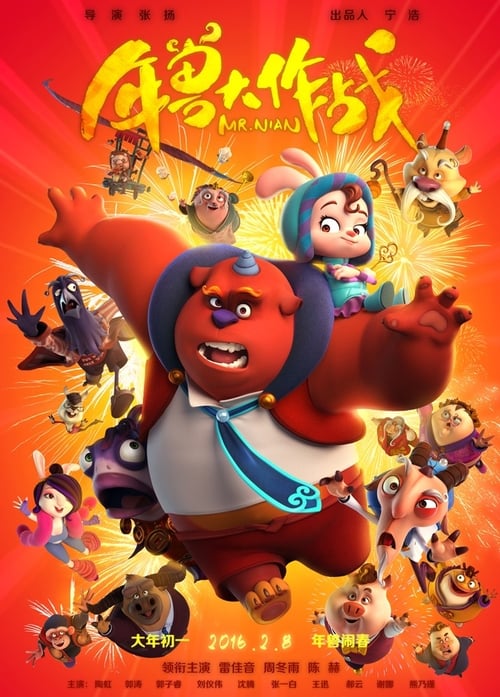
Mr. Nian (2016) reveals deliberately positioned dramatic framework, characteristic of Zhang Yang's storytelling approach. This structural analysis examines how the film's 15-point plot structure maps to proven narrative frameworks across 1 hour and 37 minutes. With an Arcplot score of 7.3, the film balances conventional beats with creative variation.
Structural Analysis
The Status Quo at 1 minutes (1% through the runtime) establishes A peaceful village prepares for the new year, unaware of the ancient threat that approaches. The ordinary world is established through festive preparations and daily routines.. Of particular interest, this early placement immediately immerses viewers in the story world.
The inciting incident occurs at 12 minutes when Nian, the fearsome beast, appears on the horizon as New Year approaches. The村庄's fragile peace is shattered, and panic spreads through the community.. At 12% through the film, this Disruption aligns precisely with traditional story structure. This beat shifts the emotional landscape, launching the protagonist into the central conflict.
The First Threshold at 24 minutes marks the transition into Act II, occurring at 25% of the runtime. This shows the protagonist's commitment to The protagonist makes the active choice to face Nian rather than flee, inspiring others to join. This decision launches the preparation for confrontation., moving from reaction to action.
At 49 minutes, the Midpoint arrives at 50% of the runtime—precisely centered, creating perfect narrative symmetry. Significantly, this crucial beat The villagers successfully deploy their first defenses and Nian retreats momentarily. A false victory as they believe they've won, but Nian will return stronger., fundamentally raising what's at risk. The emotional intensity shifts, dividing the narrative into clear before-and-after phases.
The Collapse moment at 73 minutes (75% through) represents the emotional nadir. Here, Nian breaks through the defenses and the village appears doomed. The protagonist's hope dies as their plan fails and the community scatters in terror., demonstrates the protagonist at their lowest point. This beat's placement in the final quarter sets up the climactic reversal.
The Second Threshold at 78 minutes initiates the final act resolution at 80% of the runtime. The protagonist realizes that unity itself is the weapon—not the tools but the collective spirit. They rally the scattered villagers for one final coordinated stand., demonstrating the transformation achieved throughout the journey.
Emotional Journey
Mr. Nian's emotional architecture traces a deliberate progression across 15 carefully calibrated beats.
Narrative Framework
This structural analysis employs proven narrative structure principles that track dramatic progression. By mapping Mr. Nian against these established plot points, we can identify how Zhang Yang utilizes or subverts traditional narrative conventions. The plot point approach reveals not only adherence to structural principles but also creative choices that distinguish Mr. Nian within the animation genre.
Comparative Analysis
Additional animation films include The Bad Guys, The Quintessential Quintuplets Movie and Fate/stay night: Heaven's Feel I. Presage Flower.
Plot Points by Act
Act I
SetupStatus Quo
A peaceful village prepares for the new year, unaware of the ancient threat that approaches. The ordinary world is established through festive preparations and daily routines.
Theme
An elder speaks of courage and community: "Together we are stronger than our fears." The thematic core about unity and bravery in the face of terror is introduced.
Worldbuilding
The village's traditions, characters, and the legend of Nian are established. We learn about the annual threat and how the community has lived in fear.
Disruption
Nian, the fearsome beast, appears on the horizon as New Year approaches. The村庄's fragile peace is shattered, and panic spreads through the community.
Resistance
The villagers debate whether to flee or fight. A protagonist emerges who questions the old ways of hiding and considers standing up to Nian.
Act II
ConfrontationFirst Threshold
The protagonist makes the active choice to face Nian rather than flee, inspiring others to join. This decision launches the preparation for confrontation.
Mirror World
A relationship forms between the protagonist and the community as they work together. This bond represents the thematic truth that unity conquers fear.
Premise
The villagers discover and experiment with what frightens Nian: loud noises, bright lights, the color red. They prepare defenses and transform fear into creative action.
Midpoint
The villagers successfully deploy their first defenses and Nian retreats momentarily. A false victory as they believe they've won, but Nian will return stronger.
Opposition
Nian adapts and returns with greater fury. The defenses begin to fail, and doubt creeps in. The beast seems unstoppable, and unity begins to fracture.
Collapse
Nian breaks through the defenses and the village appears doomed. The protagonist's hope dies as their plan fails and the community scatters in terror.
Crisis
In the darkness of defeat, the protagonist reflects on what they've learned. The village seems lost, and the weight of responsibility crushes their spirit.
Act III
ResolutionSecond Threshold
The protagonist realizes that unity itself is the weapon—not the tools but the collective spirit. They rally the scattered villagers for one final coordinated stand.
Synthesis
The village unites completely, combining all their defenses—drums, lights, red banners—in perfect synchronization. Their collective courage drives Nian away permanently.
Transformation
The village celebrates together, transformed from fearful individuals into a unified community. The New Year festival now commemorates their victory and courage.