
Murder by Death
Lionel Twain invites the world's five greatest detectives to a 'dinner and murder'. Included are a blind butler, a deaf-mute maid, screams, spinning rooms, secret passages, false identities and more plot turns and twists than are decently allowed.
The film earned $32.5M at the global box office.


Plot Structure
Story beats plotted across runtime


Narrative Arc
Emotional journey through the story's key moments
Story Circle
Blueprint 15-beat structure
Arcplot Score Breakdown
Weighted: Precision (70%) + Arc (15%) + Theme (15%)
Murder by Death (1976) exhibits strategically placed story structure, characteristic of Robert Moore's storytelling approach. This structural analysis examines how the film's 15-point plot structure maps to proven narrative frameworks across 1 hour and 34 minutes. With an Arcplot score of 6.8, the film balances conventional beats with creative variation.
Characters
Cast & narrative archetypes
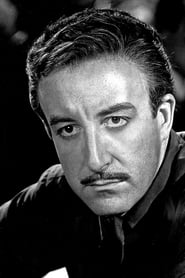
Sidney Wang

Jessica Marbles

Sam Diamond
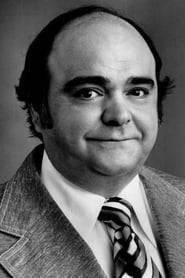
Milo Perrier
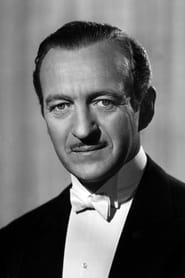
Dick and Dora Charleston

Dora Charleston

Lionel Twain

Bensonmum
Main Cast & Characters
Sidney Wang
Played by Peter Sellers
Parody of Charlie Chan, a Chinese-American detective with fortune cookie wisdom and verbal malapropisms.
Jessica Marbles
Played by Elsa Lanchester
Parody of Miss Marple, an elderly British spinster detective with sharp observational skills.
Sam Diamond
Played by Peter Falk
Parody of Sam Spade, a hard-boiled American private detective with noir sensibilities.
Milo Perrier
Played by James Coco
Parody of Hercule Poirot, a fastidious Belgian detective with an affected accent.
Dick and Dora Charleston
Played by David Niven
Parody of Nick and Nora Charles, a wealthy, sophisticated couple who solve mysteries together.
Dora Charleston
Played by Maggie Smith
The witty and elegant half of the Charleston detective duo, complementing her husband's charm.
Lionel Twain
Played by Truman Capote
The mysterious eccentric millionaire who invites the detectives to solve a murder before it happens.
Bensonmum
Played by Alec Guinness
Twain's blind butler who navigates the mansion with surprising agility despite his disability.
Structural Analysis
The Status Quo at 1 minutes (1% through the runtime) establishes Five envelopes are delivered to the world's greatest detectives, each receiving mysterious dinner invitations from the eccentric millionaire Lionel Twain to his isolated mansion.. Of particular interest, this early placement immediately immerses viewers in the story world.
The inciting incident occurs at 11 minutes when All five detective parties arrive simultaneously at the fog-shrouded, Gothic mansion of Lionel Twain, where the blind butler Bensonmum and deaf-mute maid Yetta greet them with comic confusion.. At 12% through the film, this Disruption aligns precisely with traditional story structure. This beat shifts the emotional landscape, launching the protagonist into the central conflict.
The First Threshold at 24 minutes marks the transition into Act II, occurring at 25% of the runtime. This shows the protagonist's commitment to The detectives accept Twain's challenge and commit to staying the night to solve his murder mystery, each confident in their superior deductive abilities despite the mansion's strange supernatural occurrences., moving from reaction to action.
At 47 minutes, the Midpoint arrives at 50% of the runtime—precisely centered, creating perfect narrative symmetry. Significantly, this crucial beat At midnight, the lights go out and Lionel Twain is found dead, stabbed in the back. The murder has occurred exactly as promised, and now the real investigation begins with each detective suspecting the others., fundamentally raising what's at risk. The emotional intensity shifts, dividing the narrative into clear before-and-after phases.
The Collapse moment at 71 minutes (75% through) represents the emotional nadir. Here, The detectives discover that nothing makes sense: the clues contradict each other, the timeline is impossible, and multiple people appear to be the killer. Their confidence shatters as they realize Twain has outsmarted them all., indicates the protagonist at their lowest point. This beat's placement in the final quarter sets up the climactic reversal.
The Second Threshold at 75 minutes initiates the final act resolution at 80% of the runtime. Lionel Twain reveals himself alive, having staged the entire evening to prove his point. He gathers the detectives for his final lecture on the failures of detective fiction, but Sidney Wang refuses to accept defeat., demonstrating the transformation achieved throughout the journey.
Emotional Journey
Murder by Death's emotional architecture traces a deliberate progression across 15 carefully calibrated beats.
Narrative Framework
This structural analysis employs proven narrative structure principles that track dramatic progression. By mapping Murder by Death against these established plot points, we can identify how Robert Moore utilizes or subverts traditional narrative conventions. The plot point approach reveals not only adherence to structural principles but also creative choices that distinguish Murder by Death within the comedy genre.
Comparative Analysis
Additional comedy films include The Bad Guys, Ella Enchanted and The Evening Star.
Plot Points by Act
Act I
SetupStatus Quo
Five envelopes are delivered to the world's greatest detectives, each receiving mysterious dinner invitations from the eccentric millionaire Lionel Twain to his isolated mansion.
Theme
The invitation reveals Twain's challenge: "Dinner and a murder" with one million dollars to whoever solves it, establishing the theme that detective fiction cheats its audience with unfair solutions.
Worldbuilding
Each detective parody is introduced with their signature quirks: Sidney Wang with his adopted son, Sam Diamond with his secretary Tess Skeffington, the sophisticated Charlestons, the elderly Miss Marbles, and the pompous Milo Perrier with his chauffeur Marcel.
Disruption
All five detective parties arrive simultaneously at the fog-shrouded, Gothic mansion of Lionel Twain, where the blind butler Bensonmum and deaf-mute maid Yetta greet them with comic confusion.
Resistance
The detectives explore the bizarre mansion filled with disappearing rooms and impossible architecture. They meet Lionel Twain, who insults their past cases and announces his challenge: a murder will occur at midnight, and one million dollars goes to whoever solves it.
Act II
ConfrontationFirst Threshold
The detectives accept Twain's challenge and commit to staying the night to solve his murder mystery, each confident in their superior deductive abilities despite the mansion's strange supernatural occurrences.
Mirror World
Dinner is served, and the detectives begin forming unlikely alliances and rivalries. Sam Diamond flirts with Dora Charleston while the detectives compete to demonstrate their observational superiority, revealing their egos and insecurities.
Premise
The comedic promise of the premise delivers as the detectives stumble through the mansion's tricks: rooms that disappear, a ceiling that descends, screams in the night, and escalating paranoia. Each detective's signature methods are parodied as they gather clues.
Midpoint
At midnight, the lights go out and Lionel Twain is found dead, stabbed in the back. The murder has occurred exactly as promised, and now the real investigation begins with each detective suspecting the others.
Opposition
The investigation intensifies as bodies multiply and suspects accumulate. The mansion itself seems to work against them with secret passages, switched identities, and impossible contradictions. Each detective's theory is systematically demolished.
Collapse
The detectives discover that nothing makes sense: the clues contradict each other, the timeline is impossible, and multiple people appear to be the killer. Their confidence shatters as they realize Twain has outsmarted them all.
Crisis
In chaos and confusion, the detectives turn on each other with accusations. The mansion's tricks escalate, and it appears the mystery is truly unsolvable. Their reputations and self-images as brilliant sleuths hang in the balance.
Act III
ResolutionSecond Threshold
Lionel Twain reveals himself alive, having staged the entire evening to prove his point. He gathers the detectives for his final lecture on the failures of detective fiction, but Sidney Wang refuses to accept defeat.
Synthesis
Twain delivers his meta-critique of mystery fiction: the solutions never play fair, evidence is withheld, and readers are cheated. The detectives offer rebuttals, and Sidney Wang attempts one final deduction about Twain's true identity, leading to multiple twist endings.
Transformation
In a cascade of absurd reveals, multiple characters unmask as other characters, and the butler Bensonmum drives away revealed to be someone else entirely. The film ends with deliberate ambiguity, proving Twain's point that mystery solutions are inherently unsatisfying.